







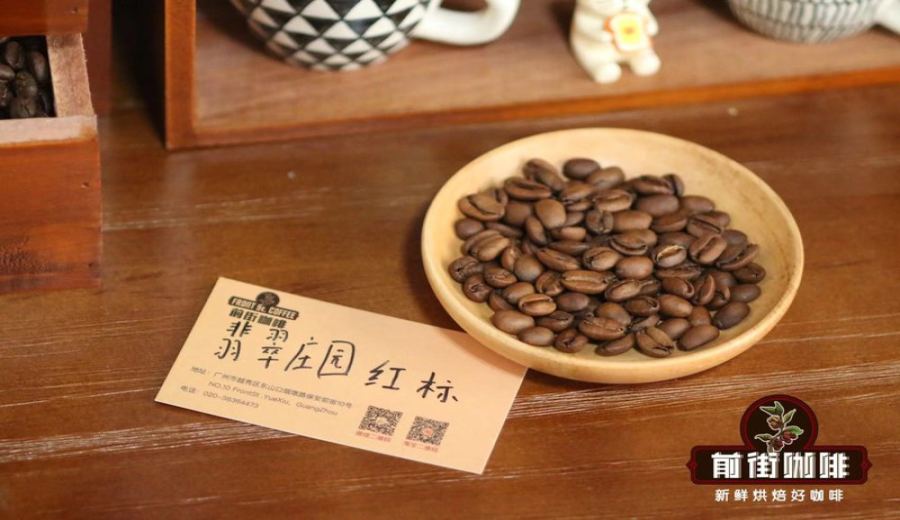
Introduction:From the moment you open the bag to the last sip, hand-ground coffee beans exhibit different flavor profiles at each stage. Understanding the gas release and flavor development timeline of roasted coffee beans can help you determine the optimal time for pour over brewing and enhance your overall coffee experience. This article will detail how to schedule tasting times based on roast levels and share storage and portioning tips, allowing you to explore the layered changes in coffee flavor from waiting to drinking with confidence.
One of the charms of hand-ground coffee beans lies in the flavor transitions they undergo over time. Freshly roasted beans contain abundant carbon dioxide, which can lead to excessive foam when ground and may cause unstable water flow. As time passes, the gases in the beans gradually dissipate, allowing floral, fruity notes, and sweetness to fully emerge in the cup. Therefore, when purchasing coffee beans, in addition to paying attention to flavor descriptions, it’s important to consider the roast date and your planned consumption timeline to enjoy coffee at its optimal state.
The roast date marked on the packaging refers to the time when the beans were completed roasted, not an expiration date for consumption. The so-called "best-by period" refers to the phase when the flavor is most vibrant and layered, not an indication that the coffee becomes undrinkable after a certain date. The actual duration during which you can enjoy delicious coffee depends on multiple factors such as storage environment, roast level, packaging seal integrity, and frequency of opening. It is recommended to treat the date as a reference for planning your tasting schedule rather than an absolute measure of quality.
Generally speaking, light roast beans, due to their higher fermentation degree, require a few more days for gases to naturally release. It is recommended to start observing their flavor profile through pour over brewing seven to fourteen days after roasting. Medium-light roast beans typically reach a more stable state around five to ten days later. If you prefer medium-dark roasts, three to seven days is usually sufficient for decent flavor and aroma. These timeframes are only initial references; if you notice overly sharp acidity, muddled aromas, or abnormal drainage speed of the coffee bed upon tasting, it is advisable to let the beans rest for another two to three days to allow further internal flavor integration.
After opening the bag, it is recommended to first take a moment to smell the dry fragrance, then brew a cup using your familiar method. If the cup has a strong aroma but the sweetness hasn’t yet caught up, it means the beans are still in the releasing phase. If the acidity and sweetness layers are clear and the aftertaste is clean and refreshing, you can mark that day as your personal optimal drinking starting point. Then, taste again every two to three days to observe whether the aroma, sweetness, and mouthfeel become more harmonious. This dynamic tracking is more realistic than simply waiting for a fixed number of days.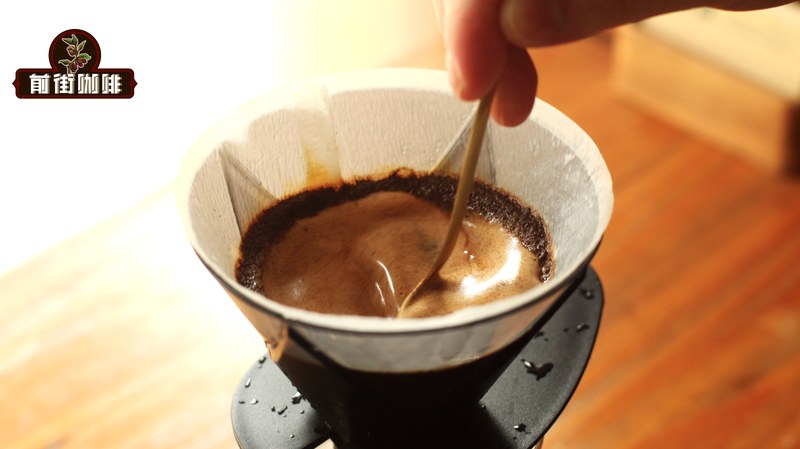
Take the fruit-forward “Colombia Gesha” as an example: after slight resting post-roast, the originally lively passion fruit, blueberry, and grape aromas will gradually transform into a rounder and fuller profile, also offering a juicier mouthfeel. If you prefer bright acidity and fruity notes, you can enjoy them during the optimal drinking window using pour over or iced pour over methods. If you want softer acidity, you may wait a few more days or switch to ice drip extraction to present a clearer fruit aroma outline in the cold brew.
On the other hand, the flower-toned “Yirgacheffe Gu Ding Ding” is better suited for gradual observation after its aroma emerges. Initially, citrus and berry freshness may stand out more prominently. As time goes on and gases diminish, the floral notes and green-tea-like aftertaste will become more coherent. For light roast pour over, it is recommended to start tasting about a week after roasting. If you prefer low-temperature extraction, you can try cold brew once the flavors stabilize—the cool environment softens acidity and suits those who are not used to sharp-tasting coffee.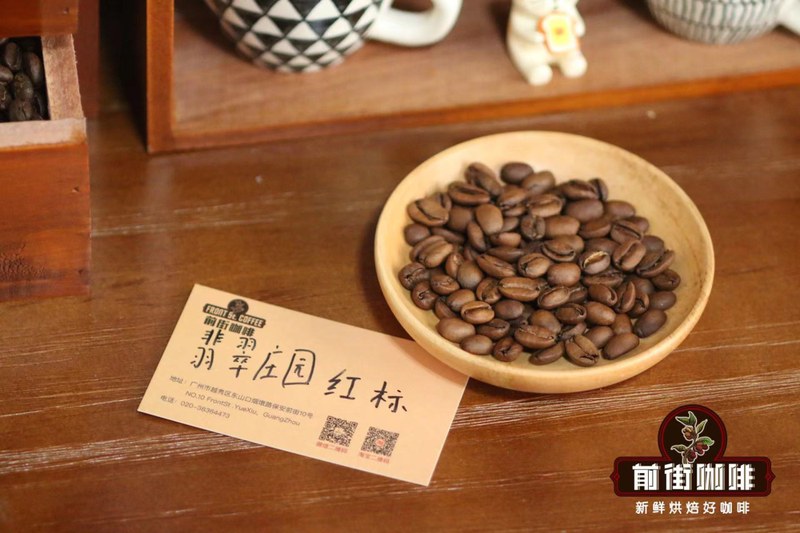
The key to storing opened coffee is minimizing repeated exposure to air, heat, light, and moisture. After each use, promptly squeeze out excess air and securely seal the package with a one-way degassing valve, then store it in a cool, dry, and odor-free cabinet. Special note: temperature differences between inside and outside the fridge can cause condensation, and coffee beans may also absorb odors from other foods. For regular daily consumption, it is not recommended to store coffee in the fridge unless in large quantities.
If you plan to finish a bag within a month, it is advised to portion it out on the day of opening. Divide the beans into several portions, each equivalent to about a week’s usage, and store them in small, highly sealed bags or containers. Use only the portion intended for the current week while keeping the rest sealed, effectively reducing the frequency of the whole bag being exposed to air. Before portioning, ensure containers are completely dry and odor-free. Avoid using damp scoops when taking beans, and weigh the desired amount just before grinding.
The quantity purchased should also match your daily consumption. If you drink only one cup per day, choose an amount that can be finished within about two weeks. If you consume multiple cups daily or share with family, you can shorten the post-opening storage time. Buying in large quantities at once may result in the first half and second half of the bag experiencing different flavor stages; buying in smaller batches allows for a more detailed observation of the full transition process of the same beans—from vibrant aroma to mellow mouthfeel.
To determine whether coffee beans are still in a suitable condition, evaluate based on a combination of factors: the aroma released during grinding, the expansion during brewing, as well as the sweetness and finish after tasting. Fading aroma does not mean the coffee has immediately lost its value—if the cup still has clear sweetness and a clean taste, adjusting grind size and water temperature can still yield a good cup. If the flavor has visibly flattened, consider using it for cold brew, milk-based drinks, or higher-concentration brews to explore its lingering notes and layers in different ways.
In summary, the drinking rhythm of hand-ground coffee should follow the natural process of “buying, resting, opening, and finishing,” rather than blindly chasing beans roasted as recently as possible. Start by confirming the roast date on the package, then plan according to your own consumption rate. After opening, store and seal properly in portions, and record your cupping experiences over different days to gradually identify each bean’s ideal flavor window for you. This way, the process of selecting and tasting coffee can transform from passive waiting into an informed journey of flavor exploration.
The above content is compiled by CoffeeHunters, a coffee news website.

