







Introduction:When selecting Colombian coffee beans for home use, the roast level actually has a more direct impact on your coffee experience than the origin. From the bright fruit acidity of light roasts, the balanced sweetness of medium roasts, to the intense roasted notes of dark roasts, each flavor profile suits different brewing preferences and taste inclinations. This article will help you understand how roast levels influence flavor expression and provide practical advice to make it easy for you to choose the most flavorful Colombian coffee beans.
When brewing Colombian coffee beans at home, the roast level is often the most critical factor influencing flavor perception—more so than even the name of the origin. Light roasts highlight floral and fruity aromas with vibrant acidity, medium roasts strike a balance between sweetness, aroma, and body, while dark roasts bring out cocoa, nutty, and intense roasted flavors. It’s recommended that you first clarify your preferred coffee taste, then choose the appropriate roast level accordingly, so you can buy beans that truly suit your palate.
Light-roasted Colombian coffee beans usually retain more of the unique characteristics of their origin. When you open the bag, they emit a fresh aroma, and upon tasting, the acidity is pronounced and lively. As the coffee cools, notes of berries, citrus, or tropical fruits may emerge. These beans are ideal for those who enjoy pure black coffee and are willing to savor subtle aroma changes, especially when brewed using pour over or iced pour over methods, which can better showcase their delicate nuances. However, if you typically prefer softer, fuller-bodied coffee, you might need some time to adapt to the pronounced acidity of light roasts.
For example, certain Colombian beans processed with the natural method, such as the Geisha from Granja La Esperanza, exhibit particularly outstanding aroma profiles. The cup often carries sweet notes akin to orange blossom, tropical vibes like guava, as well as ripe fruit tones reminiscent of apricot and strawberry jam. Due to their concentrated flavors, these beans are particularly well-suited for pour over brewing. It’s advised not to use too high a water temperature; start with medium-to-low temperatures to preserve the fine aromas, then fine-tune based on the acidity and sweetness to fully present the layered profile.
When choosing light-roast Colombian beans, pay special attention to the roast date, processing method, and recommended brewing instructions indicated on the packaging. Freshly roasted beans usually require a few days of "degassing" to allow residual roast gases to dissipate naturally. The aroma will gradually stabilize after opening the bag, and this period is also a great opportunity to appreciate their transformation. For grind size, start with medium-fine, and keep water temperature and pouring pace gentle. If the flavor feels somewhat thin, gradually adjust the extraction strength—no need to change all parameters at once.
Medium roast is the most widely accepted and suitable for daily drinking among most households. This roast level doesn’t let fruit acidity dominate, while still retaining some floral and fruity aromas, and brings out sweet notes like caramel, honey, or mild cocoa. Whether you’re using pour over, making Americano, or using a semi-automatic coffee machine, medium-roast Colombian beans generally achieve a better balance between concentration and smooth mouthfeel, making them suitable for most brewing methods.
Medium-roast beans like Colombian Sidra usually exhibit a brighter flavor profile, with vibrant fruit notes such as passionfruit, blueberry, grape, and apricot—ideal for home consumers who enjoy a juicy, fresh taste. Iced pour over can enhance its refreshing qualities, while ice drip makes the fruitiness even softer. If used for single-origin espresso, you can also try pairing it with a bit of milk or sparkling water to add different layers of enjoyment.
If you primarily drink milk-based coffee, it’s recommended to prioritize medium-dark roasted Colombian beans. Milk effectively softens acidity while amplifying the coffee’s sweetness and body, making beans with cocoa, caramel, or roasted nut flavors easier to blend with milk into a rich and smooth cup. When making a latte, it’s suggested to maintain a clear flavor profile in the coffee liquid, avoiding excessive milk that might completely mask the bean’s inherent characteristics.
Dark-roast Colombian beans are the ideal choice for those who prefer low acidity, full body, and warm flavors. These beans often deliver a rich mouthfeel with intense notes of dark chocolate, nut paste, or roasted grains. They pair exceptionally well with moka pots or espresso machines, and are also great for making iced Americano. For home brewing, it’s recommended to use slightly lower water temperature and control extraction time, letting sweetness and crema take center stage—the overall mouthfeel will be rounder and smoother.
When browsing product information online or in physical stores, if you only see simplified labels like “Colombian dark roast” without roast dates, processing methods, or specific flavor descriptions, it’s actually quite difficult to assess the bean’s true performance. More complete product information typically includes origin, variety, processing method, and detailed roast range—all crucial references when making a selection. For home users, opting for smaller packages not only allows you to observe the beans’ state at different stages but also reduces aroma loss caused by long-term storage after opening.
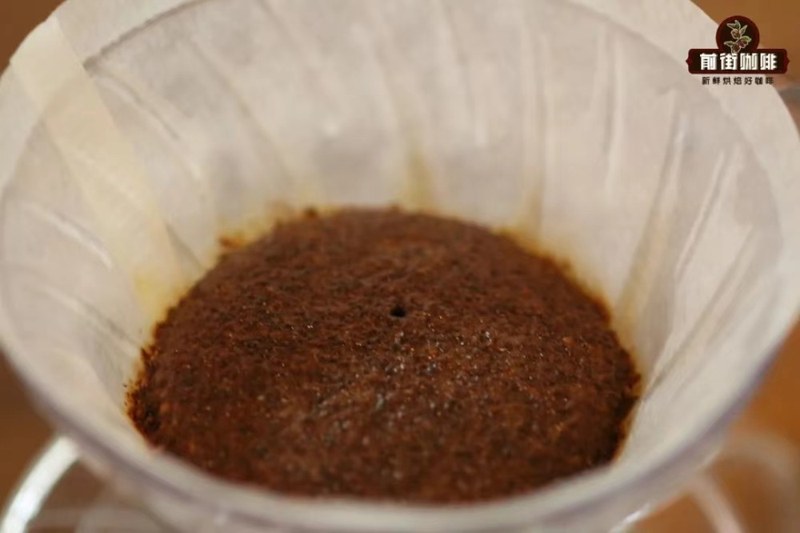
Finally, a reminder: even after determining the roast level, you still need to fine-tune parameters based on actual brewing conditions to find the extraction method that best suits your taste. For light-roast beans, you might try a finer grind or slightly higher water temperature to enhance sweetness; for medium roasts, aim for balance by adjusting water flow rate and pressure; for dark roasts, avoid over-extraction that leads to burnt bitterness—reduce extraction time or lower the water temperature. Adjust only one variable at a time—such as grind size, water temperature, or pour volume—and through several trial brews, you’ll quickly find your home brewing sweet spot.
In summary, for home coffee enthusiasts, roast level is not an absolute standard for judging flavor quality, but rather a starting point for choosing your desired taste direction. If you love bright, fruity aromas, start with light-roast Colombian beans; if you want a balance of acidity, sweetness, and body, medium roast is a more convenient choice; and if you prefer rich, bittersweet, and milky coffee experiences, medium-dark or dark roasts are definitely worth trying. Exploring in this order will help you more easily find a home coffee experience that meets your expectations in every cup.
The above content is compiled by CoffeeHunters, a coffee news website.

