







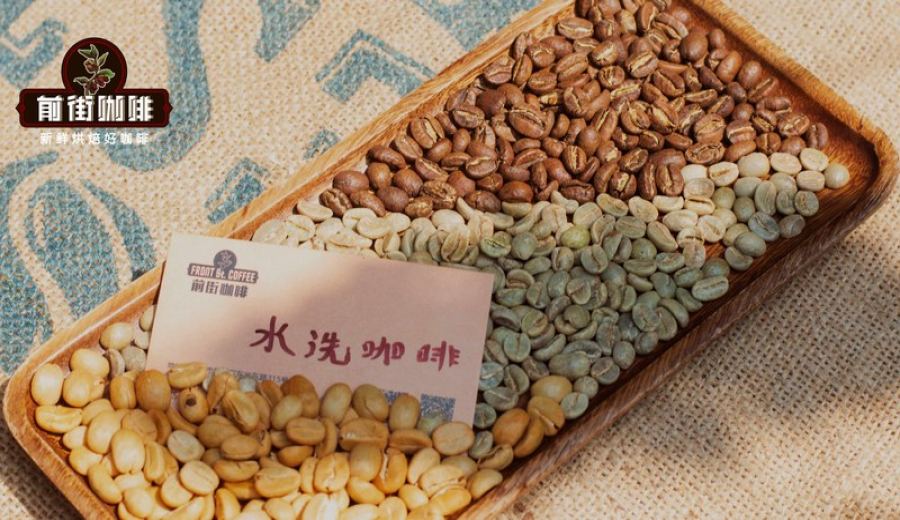
Introduction:Sun-dried processed coffee beans, with their intense fruity aromas and unique character, have always been a top choice for many coffee enthusiasts. But did you know? Different roast levels can greatly influence the final flavor profile. This article will delve into the characteristics of sun-dried beans at light, medium, and dark roast levels, and share practical brewing tips and purchasing pointers to help you find the one that best suits your taste.
The sun-drying process preserves the natural sugars and fruity aromas in the coffee fruit, giving the beans a distinct fruity tone from the start. However, different roast levels alter how these flavors are expressed. With light roasts, the acidity and floral notes are more vibrant, resulting in an overall bright and crisp mouthfeel. Medium roasts strike a balance between acidity, sweetness, and body, offering a rounder profile. Dark roasts amplify caramel, cocoa, and nutty aromas while delivering a richer and fuller mouthfeel. When purchasing, it’s advisable to first confirm the roast level, then imagine your desired flavor profile based on personal preference.
For those who enjoy nuanced aromatic changes, starting with a light-roasted sun-dried bean is a great way to experience the style. These coffees often exhibit prominent floral, citrus, or berry notes, with bright acidity, and some varieties may even reveal additional sweetness as they cool. If you prefer pour over, cold drip, or iced coffee, light-roasted sun-dried beans can clearly showcase regional characteristics—though their mouthfeel tends to be lighter. Look out for flavor descriptions including terms such as "tropical fruit," "passion fruit," "lemon," or "grape," and pay attention to the roast date and recommended brewing methods. For beginners, it's suggested to use water at 90–93°C, and avoid grinding too coarse to prevent insufficient aroma release and overly sharp acidity. Slightly extending the brew time can help bring out the sweetness layers.
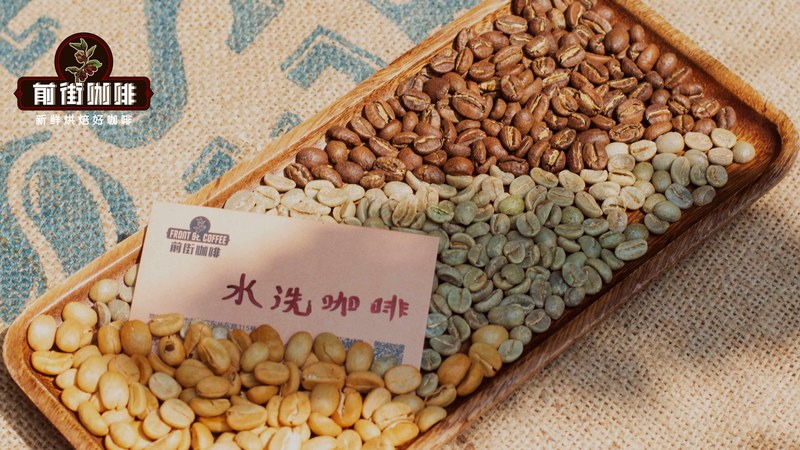
Medium-roasted sun-dried beans sit at the golden intersection between fruity aroma and rich mouthfeel. These beans retain some fruitiness—like juice-like sensations or berry flavors—while gradually revealing traits such as caramel, brown sugar, ripe fruit, and tea-like notes. They’re suitable for consumers who dislike overly thin profiles and work well with various brewing methods, whether using a filter dripper or for cold brew, all with stable performance. Among them, medium-roasted sun-dried beans from Kenya often show a clear contrast between acidity and sweetness, with a finish reminiscent of dark plum or tea leaves, making them ideal for pour over or served over ice. If the acidity feels too high, slightly increasing the extraction rate can help concentrate the sweetness. When selecting, look for keywords on the package like "medium-light roast," "ripe fruit," "caramel," "orange," or "apricot."
As for dark-roasted sun-dried beans, they are often misunderstood as having only intense smokiness and heavy body. In reality, quality dark-roasted sun-dried beans, while shifting fruitiness toward ripe fruit and chocolate tones, still maintain complexity and impart a richer texture along with a mellow aftertaste. These beans are particularly well-suited for lovers of espresso, lattes, or moka pot brewing. During the dark roasting process, the beans’ irritability decreases, resulting in a smoother mouthfeel while highlighting cocoa, nut, and caramel aromas. When brewing, it’s recommended to use slightly lower water temperature or shorten the extraction time to maintain a clean expression of cocoa and caramel. If used for milk coffee, ensure the espresso has sufficient concentration to balance with the milk. Additionally, for first-timers trying dark-roasted sun-dried beans, starting with a medium-dark roast and adjusting according to personal taste is advisable.
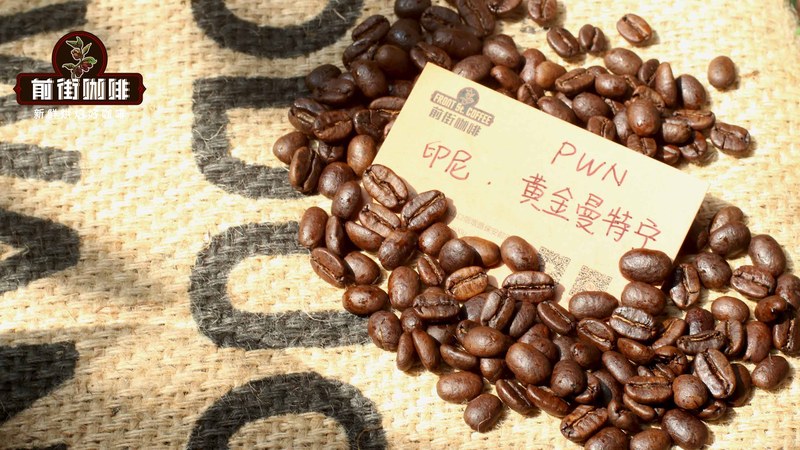
In summary, when choosing sun-dried coffee beans, it’s recommended to first clarify your preferred flavor type: if you’re drawn to fresh floral and fruity notes, prioritize light or medium-light roasts and pay attention to descriptions highlighting high aromatics. For those seeking a balance of sweetness and fruitiness, medium or ripe-toned options are ideal. Readers pursuing a rich, full-bodied, and smooth mouthfeel can explore medium-dark or dark-roasted sun-dried beans. No matter which type you choose, it’s suggested to start by brewing according to the parameters recommended on the package, then fine-tune the water temperature, grind size, or extraction time based on the actual balance of acidity, sweetness, bitterness, and aftertaste to fully showcase the unique charm of your sun-dried beans.
The above content is compiled by CoffeeHunters, a coffee news website.

