







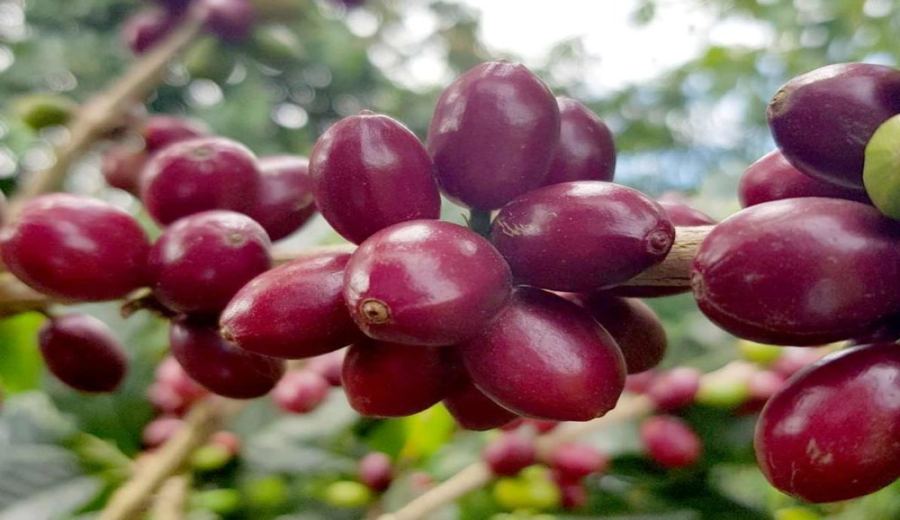
Introduction:The flavor profile of Yirgacheffe SOE coffee beans is diverse, and the key lies in choosing the right roast level. Light, medium, medium-dark, or even dark roasts each showcase distinctly different characteristics—from bright fruit acidity to pour over sweetness, all the way to the richness of espresso. Understanding roast types can help you find the bean that best suits your brewing method. This article details the characteristics and brewing recommendations for various roast levels, along with practical tips, so you can choose the right beans and brew them to match your taste preferences.
The charm of Yirgacheffe SOE (Single Origin Espresso, single-origin espresso beans) lies in its versatile flavor potential, which is closely tied to the roasting method. SOE refers to coffee beans from a single origin, specifically designed for espresso extraction. However, depending on the roast level—light to dark—they can present vastly different flavor profiles. A light roast highlights bright citrus, floral notes, and tea-like nuances, while a medium-light roast balances fruity aromas with sweetness. A medium roast brings out caramel and cocoa richness, and deeper roasts emphasize nutty, brown sugar, and toasted aromas. Understanding roast levels is your first step toward choosing the right beans and using the right method.
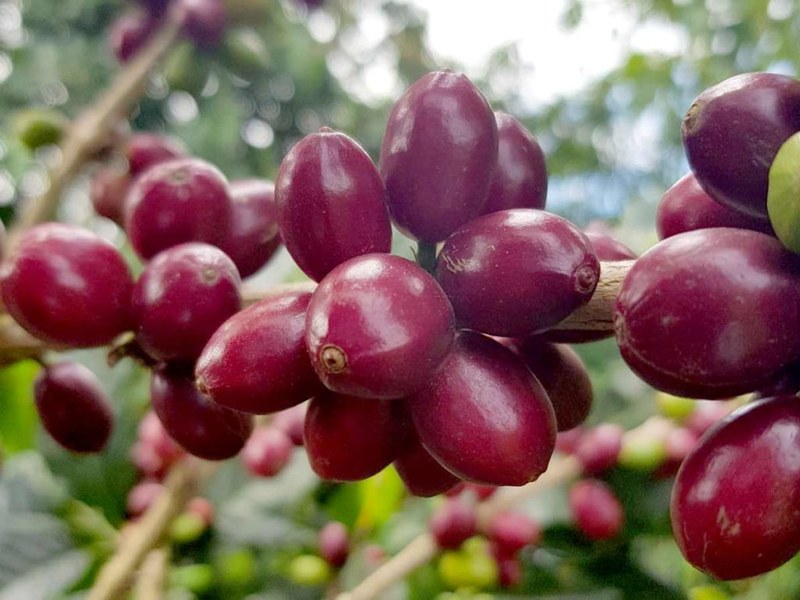
For those who enjoy fresh and vibrant flavors, a light-roasted Yirgacheffe SOE is a great place to start. These beans, roasted at high temperatures for a short time, retain abundant floral, citrus, and berry aromas, sometimes even finishing with a subtle tea-like aftertaste. The cup is light-bodied, layered, and clean on the finish. When brewing with a pour over, it’s recommended to use slightly higher water temperature (around 92–94°C) and a finer grind to fully extract the aromatics. But if the acidity feels too sharp, try a slightly coarser grind or reduce agitation to achieve a smoother, more balanced cup.
A medium-light roasted Yirgacheffe SOE falls within a range that most people find approachable. This roast level preserves the brightness of fruitiness while adding natural sweetness reminiscent of honey, ripe fruit, or even brown sugar, with more body than a light roast. When pour over brewing, there's no need to push for extreme extraction—steady water flow and moderate temperature (around 90–92°C) will do. It also performs well as an Americano when brewed with an espresso machine, clearly expressing the unique terroir of the region.
If you prefer black coffee but don’t want something overly thin or harsh, a medium-roasted Yirgacheffe could be a solid choice. At this roast stage, the flavors develop toward ripe fruit, caramel, and cocoa tones. The acidity becomes rounder through roasting, while body and mouthfeel are enhanced. For pour over, try a medium water temperature (around 88–90°C), and for espresso, you’ll often get a cup with stable sweetness and balanced strength, perfect for daily drinking.

As the roast level deepens further, the floral notes and delicate fruit acidity of Yirgacheffe gradually take a backseat, making way for nuttiness, brown sugar, cocoa, and distinct roasted aromas. These darker-roast SOEs are well suited for espresso, Americano, or milk-based drinks with a small amount of milk—especially appealing to those who enjoy bold, full-bodied cups. However, be aware that overly dark roasts may sometimes mask Yirgacheffe’s signature fruity characteristics. It’s still advisable to check product descriptions to ensure the fruitiness is preserved.
When selecting a Yirgacheffe SOE, it’s recommended to consider both the roast level information and the flavor description. If a product only states “rich fruit aroma” without specifying the roast degree, it’s hard to tell whether it’s bright citrus-like fruit or more jammy and mature notes. Roast levels such as medium-light, medium, or medium-dark often give a more accurate prediction of cup profile than a single flavor keyword. Also, don’t forget to check the roast date—letting the beans rest through their optimal degassing period ensures you get the most out of their potential.
If brewing a light-roasted bean using the espresso (SOE) method, it’s advised to use a finer grind and sufficient water temperature to effectively extract sweetness and aroma. If your shot tastes overly sharp or sour, it might be due to under-extraction—too fast or insufficient contact time between coffee and water. If the finish feels dry or astringent, consider shortening the shot time or lowering the water temperature slightly. Making one adjustment at a time helps fine-tune your extraction to suit your equipment.
If you’d like to start with a medium-light roasted Yirgacheffe, look for beans with bright orange-like aromas and ripe apricot sweetness, often followed by a refreshing aftertaste akin to oolong tea. For pour over, a pulse pouring technique is recommended, and letting the cup cool slightly before drinking helps highlight the sweet layers more clearly. It also works nicely for short Americanos, preserving a light fruitiness.
For those who prefer light roasts and want to explore more complex layers, consider Geisha varieties with notes of orange blossom, guava, apricot, and strawberry jam. These beans are usually processed via natural methods, offering intense and layered flavors. For pour over, use a transparent filter cone and slow your drinking pace to experience the evolving fruit and floral notes from hot to warm to cooled.
If you’re seeking a more intense juice-like profile with bright acidity and sweet-tart notes, you might also consider medium-light or light-roasted Colombian Sidamo. In espresso SOE applications, this bean easily releases juicy, tangy notes like passionfruit, blueberry, and grape, making it highly suitable for short Americanos. Brewing via ice pour over or cold drip enhances the clarity and vibrancy of the aromas. In summary, when choosing Yirgacheffe SOE, don’t limit yourself to a single roast level. Instead, match the bean’s body, acidity, and sweetness with your preferred brewing method to truly enjoy the unique appeal of single-origin coffee.
The above content is compiled by CoffeeHunters, a coffee news website.

