







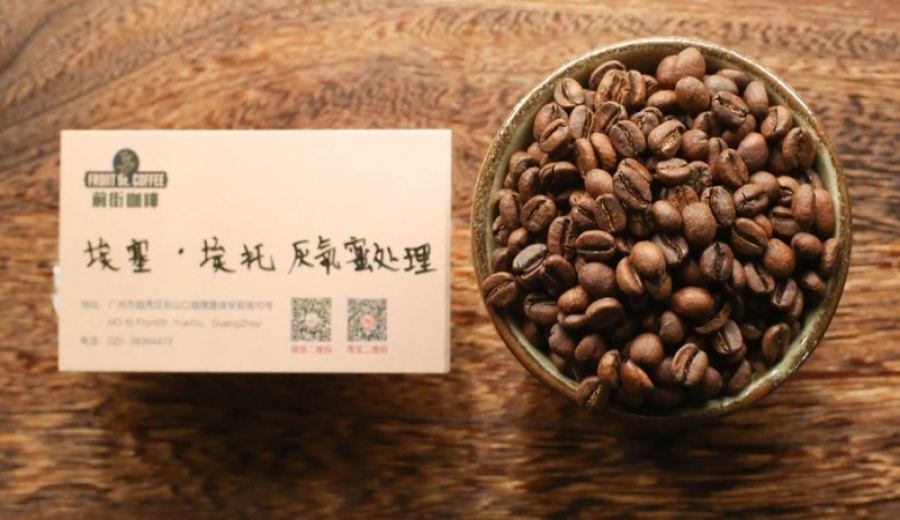
Introduction:When it comes to choosing coffee beans that suit your taste, starting with roast level is the most practical approach. The three roast profiles—light, medium, and dark—each have their own distinct characteristics, influencing not only flavor direction but also the ideal brewing methods and pairing occasions. This article will delve into the features of each roast level to help you find beans suitable for daily drinking or tasting, along with practical brewing and selection tips.
Roast level is a very useful starting point when selecting coffee beans. Different roast depths significantly affect a coffee’s aroma, acidity-sweetness balance, body, and overall flavor profile. If you want to enjoy coffee that matches your preferences within a reasonable budget, understanding the differences between light, medium, and dark roasts will make the bean selection process smoother and more efficient.
Light roast coffee typically emphasizes aroma and fruit acidity, showcasing distinct fruity, floral, or tea-like qualities. It suits drinkers who enjoy refreshing and complex flavors. These beans are particularly good at highlighting subtle layers of flavor, making them well-matched with brewing methods like pour over, clever dripper, or iced pour over that preserve fine details. However, if you’re used to bold, bitter, and intense coffee, light roast may require some getting used to. We recommend starting with beans that have gentle acidity and clear fruitiness without being overly sharp.
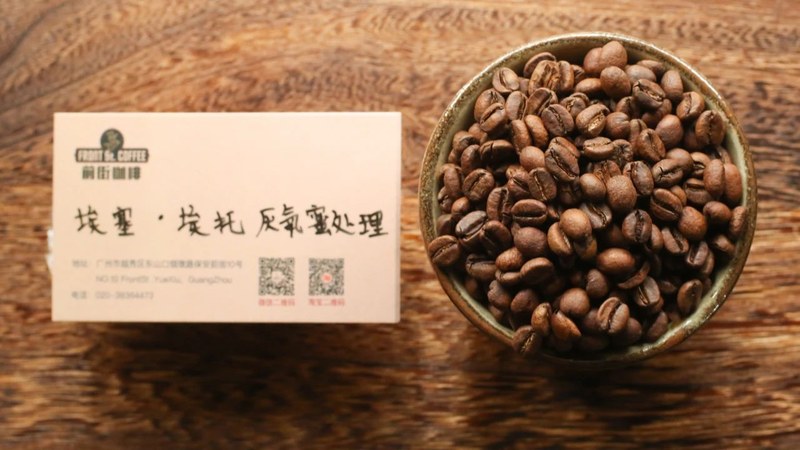
If you prefer coffee with bright fruitiness, look for beans with clear acidity and syrupy textures. For example, certain washed beans from high-altitude regions often carry tangy-sweet notes reminiscent of fresh cherry tomatoes or black plums, along with a clean syrupy finish. When using a filter dripper for pour over, you don’t need excessively high water temperature—a stable medium-high heat (around 90–92°C) helps bring out clear fruit aromas without over-extracting bitterness. For iced pour over, the cooling process mellows the acidity, resulting in an overall flavor closer to a refreshing juice—perfect for summer.
Another advantage of light roast beans is their flavor versatility. A light roast with rich layers can offer something new each time you brew. For those who just want to sip one cup and slowly savor the nuances, it’s better to choose small-batch, highly distinctive light roast beans and enjoy them fresh in concentrated sessions, rather than stocking up on beans with vague flavors that may lose aroma over time.
Moving from light to medium roast, acidity usually becomes more rounded and soft, while sweetness and body become more pronounced. These coffees also tend to be more forgiving across different brewing methods. Whether you use pour over, French press, or other filter-style devices, you can extract balanced aroma and sweetness. They are great as breakfast coffee or for everyday stable enjoyment, especially suitable for drinkers seeking a balance between freshness and richness.
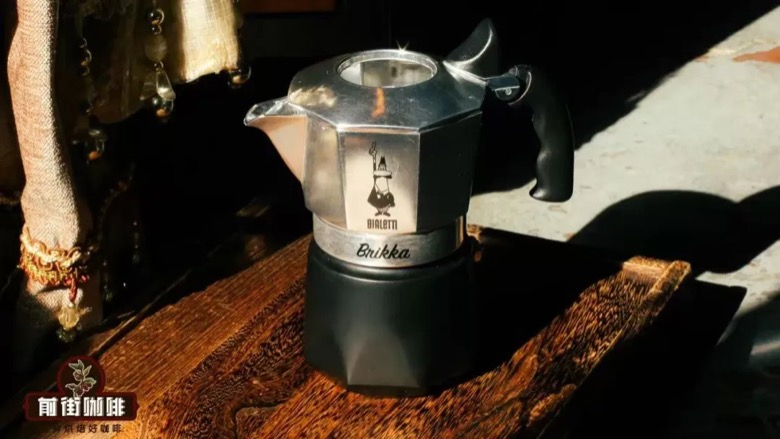
Some medium roast beans can present a light yet layered profile. For instance, certain blends from East Africa or Central and South America often carry citrus, ripe apricot-like fruitiness, and an oolong-tea-like aftertaste. For pour over, we recommend using pulse pouring to gradually release aroma and sweetness. If switching to cold brew or immersion, consider increasing the coffee-to-water ratio so the cooled brew remains full-bodied rather than thin.
Medium roast beans generally suit those who prioritize stable sweetness and easy drinkability. These coffees usually don’t feature overwhelming floral or fruity aromas but achieve a good balance among nuts, caramel, cocoa, and ripe fruits. The brewed coffee tends to feel smooth on the palate, and even as it cools, the flavors don’t easily dissipate. They are ideal for making Americano or adding a small amount of milk, as well as being a practical staple in many homes.
If you see descriptors like floral, tropical fruit, or jam in a bean’s flavor notes, these beans are usually better suited to a slightly lighter medium roast. For example, certain Geisha or Typica varieties from renowned regions often exhibit complex aromas of orange blossom, guava, and apricot, with finishes even hinting at the rich sweetness of strawberry jam. We suggest using a small cup size for pour over and tasting at different temperatures to better discern their layered aromas.
Dark roast beans emphasize intensity, body, and roasty aromas, making them the top choice for those who love dark chocolate, roasted nuts, and caramel flavors. These coffees pair excellently with espresso, moka pot, French press, or various milk-based coffee drinks, especially for those wanting a coffee with “presence.” When selecting dark roast beans, besides checking roast dates, we also recommend carefully reading the flavor descriptions, as even within the same roast depth, beans from different regions or processed differently can vary significantly in sweetness and smokiness.
No matter which roast level you choose, it’s recommended to first fix your coffee-to-water ratio when brewing, then fine-tune grind size and parameters based on actual flavor results. For instance, if a light roast tastes thin, try grinding finer or extending extraction time. If a medium roast lacks balance in acidity and sweetness, adjust water temperature or control pour speed. For dark roast, if it turns out overly dry or bitter, reduce extraction pressure and time. Gradual adjustments like these are more likely to help you find your preferred taste than simply switching bean types.
If you’re on a limited budget, consider a “one stable, one variable” strategy: choose a medium roast as your daily brew for consistent output and drinkability, paired with a fragrant light roast to add enjoyment and variety. This combo meets everyday Americano or milk coffee needs while allowing you to explore more nuanced flavors via pour over on weekends. Ultimately, what keeps you coming back isn’t the roast label—it’s the coffee bean that strikes the perfect balance with your equipment, taste preferences, and lifestyle.
The above content is compiled by CoffeeHunters, a coffee news website.

