







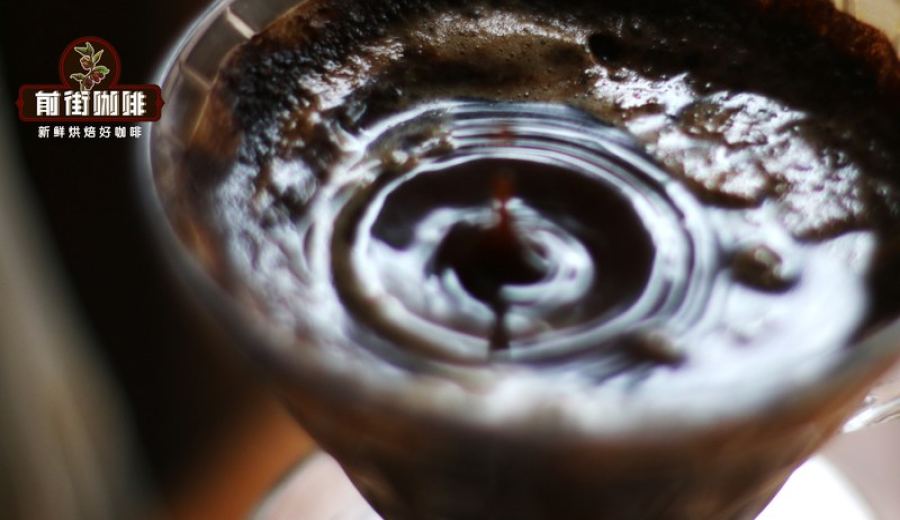
Introduction:The flavor profile of cold drip coffee is greatly influenced by the degree of roast, ranging from bright fruity notes to rich caramel tones. Coffee beans roasted to different levels will deliver distinctly varied cold drip experiences. This article will analyze the performance differences of light, medium, and dark roast beans under cold drip extraction, and provide practical bean selection and brewing tips to help you craft the most satisfying cold drip coffee according to your taste preferences.
One of the charms of cold drip coffee lies in its ability to showcase the subtle flavor differences of coffee beans across various roast levels. From the refreshing, floral-fruity notes of light roasts to the balanced and rounded qualities of medium roasts, and on to the bold and rich characteristics of dark roasts, each roast style can be transformed through the cold drip method into unique layers of taste. Understanding how roast level affects cold drip performance is the first step toward crafting your ideal iced coffee.
If you’re drawn to crisp, juice-like cold drip coffee, light roast beans are an ideal starting point. Under low-temperature, slow water flow extraction, these beans readily release bright acidity, delicate floral notes, and soft sweetness. Light roasts typically retain more distinct regional characteristics, with acidity that is gentler compared to hot brew methods, and aromas that are more restrained and layered. To preserve vibrant fruitiness in your cold drip, it’s recommended to choose beans with clear descriptions of fruity traits and balanced sweetness.
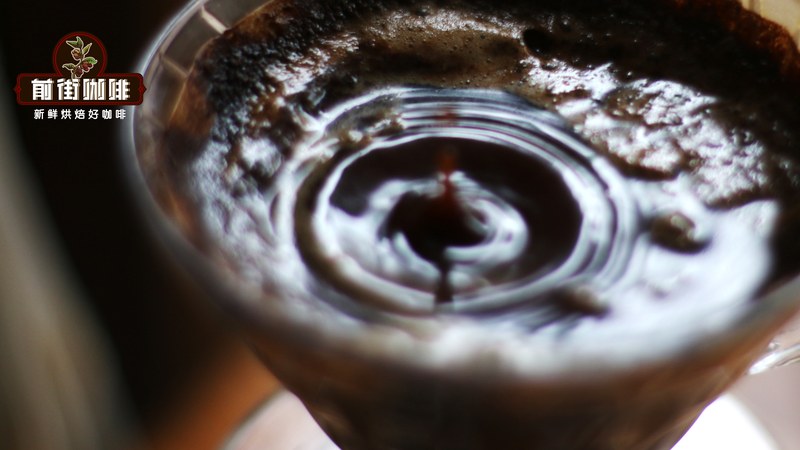
Taking representative light roast options as examples, certain high-altitude-grown Yirgacheffe-flavored beans often exhibit citrus, berry, and delicate floral notes, with finishes that may even extend into a green-tea-like fresh sweetness. After cold drip extraction, what might have been a slightly sharp acidity becomes softened, the fruitiness more mellow, and the mouthfeel takes on a cool sensation — perfect for sipping straight or serving over ice as a refreshing black coffee for summer. It’s worth noting that light roast beans are sensitive to grind size and drip rate; overly dense coffee beds or too slow a flow can accentuate acidity and reduce sweetness. It’s advised to use a grind slightly finer than typical cold brew but not too fine (approaching espresso grind), while maintaining a steady, continuous water flow, allowing total extraction time to naturally bring out sweetness rather than pursuing an excessively slow speed.
Medium roast beans are a flexible choice for crafting well-balanced cold drip flavors. These beans don’t overly emphasize bright acidity while still preserving certain regional features. After cold drip and cooling, they often develop sweet tonalities akin to caramel, ripe fruit, or cocoa. For those who prefer smooth black coffee without overly monotonous flavors, medium roasts are often easier to incorporate into daily routines.
For instance, some medium roast beans with aromas reminiscent of strawberry candy offer lively flavors, with sweetness becoming more concentrated after refrigeration. Using them for cold drip, you can enjoy them over ice directly, or pair with a small amount of milk to retain clear fruit notes, giving the milk coffee a gentle and playful twist.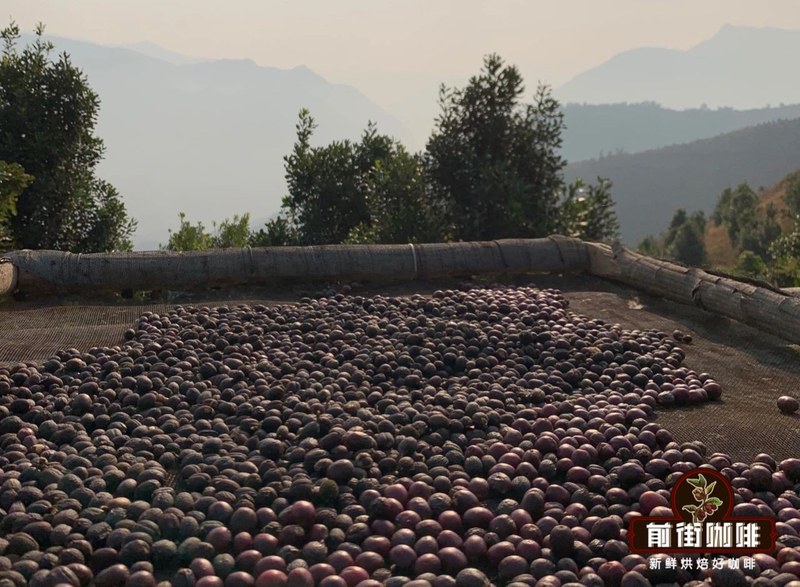 Moreover, the strength of medium roast coffee can be flexibly adjusted by modifying the coffee-to-water ratio and output volume: if you prefer a lighter mouthfeel, you can moderately increase water volume to let the aroma unfold; if you favor a fuller taste, you can reduce dilution or use the cold drip liquid as a concentrate base. After extraction, it’s recommended to let the coffee sit for a while to allow temperature and flavors to integrate before deciding whether further dilution is needed.
For consumers who enjoy bright, tangy, and clean-finishing flavors, medium-light or light-medium roast Kenyan beans are also noteworthy options. Some Kenyan-flavored beans often feature flavors akin to cherry tomatoes, black plums, and brown sugar, with noticeable yet non-harsh acidity. After cold drip extraction, the juice-like mouthfeel becomes smoother, whether enjoyed neat or mixed into sparkling iced coffee, showcasing a unique vibrancy.
The performance of dark roast beans in cold drip tends to be full-bodied and steady. The low-temperature environment can soften some smoky and bitter-burnt notes, making the aromas of cocoa, nuts, and caramel more concentrated. If you typically prefer coffee with a solid mouthfeel and low acidity, dark roast is a direction worth trying, and it pairs more naturally with milk, oat milk, or a small amount of syrup, making it suitable for iced lattes and other mixed drinks.
When choosing dark roast beans, it’s advisable to prioritize whether they still retain a moderate level of sweetness, rather than judging solely based on roast depth (color). Since dark roast beans may absorb water and flow more quickly, the grind should not be too fine, nor does the water flow need to be deliberately slowed. If the extraction shows noticeable bitterness or burnt notes, consider shortening the contact time between coffee grounds and water, or adding a moderate amount of cold water before drinking to help restore a rounded mouthfeel.
In summary, roast level is not an absolute measure of good or bad coffee beans, but an important clue that influences the flavor expression of cold drip. Light roast suits those seeking fruity and bright profiles; medium roast is ideal for those looking for sweetness and balance; dark roast caters more to those who prefer cocoa, nutty, and bold flavors. By first clarifying the texture of iced coffee you desire, then selecting beans from the corresponding roast direction, you’ll find it easier to use the cold drip method to extract a satisfying flavor experience.
The above content is compiled by CoffeeHunters, a coffee news website.

