








Introduction:The balance between acidity and sweetness is the ideal flavor profile many coffee enthusiasts pursue, but it is not determined solely by the coffee variety—it is closely related to the roast level. From light to dark roasts, each degree of roasting leads to distinctly different flavor directions. This article will guide you on how to select coffee beans that best showcase a harmonious acidity-sweetness profile based on roast depth, and provide practical extraction parameter suggestions to help you find your own flavor preference.
The so-called acidity-sweetness balance does not simply mean a coffee has both acidic and sweet notes, but rather the harmony and layering among these and other flavor elements. Roast level plays a crucial role here: lighter roasts often highlight fruity and fresh characteristics, making the acidity bright; medium roasts allow acidity, sweetness, and body to blend more easily, resulting in a rounder flavor; while dark roasts feature caramel, cocoa, and nut aromas as the dominant notes, with acidity taking a backseat, creating another kind of balance.
If you prefer fresh fruity aromas but don’t want the acidity to be overly sharp, it’s recommended to start with light or light-medium roasted beans. These beans usually retain more of the origin’s unique characteristics, and when extracted properly, can often showcase layers of citrus, berries, floral, or even tropical fruit notes. When selecting, besides looking for labels indicating “high acidity,” if the packaging also mentions descriptions like honey, jam, or brown sugar, it often means the bean has a richer sweetness and a smoother mouthfeel.
The acidity-sweetness performance of light-roast beans is closely related to the extraction method. It is recommended to use slightly higher water temperature, paired with a fine but not overly coarse grind size, and ensure the coffee grounds evenly absorb water during pouring. If you only taste sharp acidity, it may indicate under-extraction, where flavors haven’t been fully released; if the aftertaste is too dry or astringent, it might be due to over-stirring or too long a steeping time. Try tasting the coffee after it cools slightly—sometimes hidden sweetness becomes more apparent.
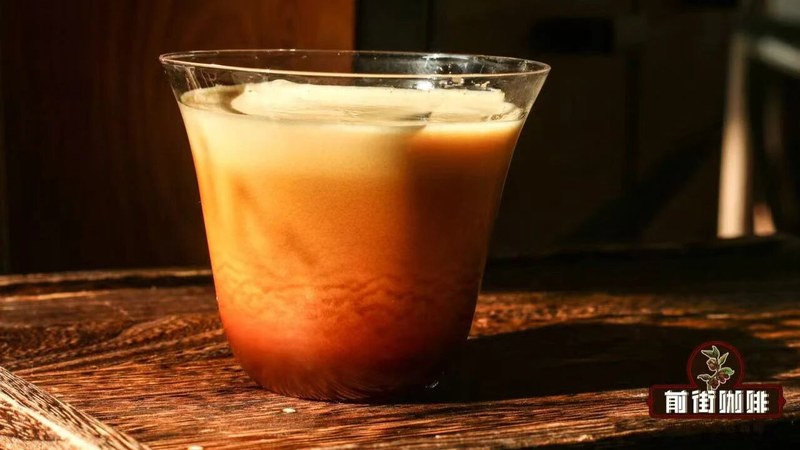
A classic example with a light-roast orientation is certain sun-dried beans from high-altitude regions, which often carry aromas of orange blossom, guava, apricot, and berry jam. These beans are suitable for pour over with a moderate flow rate, allowing the aromas ample time to develop. As the temperature drops, fruitiness and sweetness often become more concentrated, offering a rewarding experience for coffee lovers who enjoy savoring subtle flavor transitions.
If you’re looking for an easier entry point with relatively approachable acidity-sweetness expression, medium or light-medium roasted beans are a great choice. This roast level, through caramelization, softens the originally bright acidity, while bringing out a syrupy, rounded mouthfeel and preserving some fruit or floral qualities. When shopping, if the product description includes words like “fruit sweetness, caramel, tea-like, smooth,” it usually indicates the bean is suitable for everyday black coffee enjoyment and can also provide a pleasant introduction to single-origin coffee for beginners.
For example, some beans from Central and South America have a flavor profile leaning toward rich juice-like notes, commonly described as passion fruit, blueberry, grape, and apricot. These aromas often overlap in layers, with clear flavor distinction. When brewed using the ice pour over method, the acidity appears particularly bright, and the sweetness resembles that of chilled fruit—vibrant; switching to the ice drip method can further soften the overall mouthfeel. When making SOE (Single Origin Espresso), it is recommended to shorten the extraction time to preserve more intense original aromas, making it highly suitable for users who enjoy fruitiness without wanting the coffee to be too light.
As the roast level gradually shifts toward medium-dark, acidity typically takes on a supporting role, while sweetness is more expressed as the rich qualities of caramel, brown sugar, or cocoa. This balance no longer relies on the contrast of bright acidity and sweetness, but is presented through a full-bodied mouthfeel, layers of bitter-sweetness, and a silky finish. If you usually drink mostly Americanos or milk-based coffees, you might prioritize medium-dark roasted options, as these beans can still maintain a clear flavor profile even when diluted with water or milk.
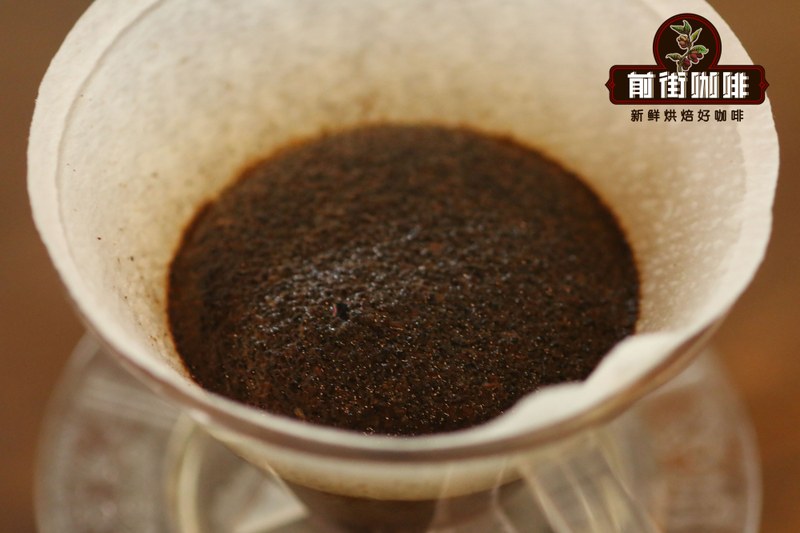
When extracting medium-dark roasted coffee, there’s no need to blindly pursue high water temperature and long extraction times. Excessive heat can lead to over-extraction, intensifying roasted, bitter, and dry sensations. It is recommended to moderately lower the water temperature and control the extraction duration in the final phase, which often helps preserve a more pleasant sweetness. If making espresso, you can start with a shorter yield ratio, then adjust the grind size based on the actual acidity, bitterness, and body perceived upon tasting, ensuring the coffee shot is focused without being heavy.
As for dark roasts, many people mistakenly assume they focus only on bitterness and intense flavors, but in fact, high-quality dark roast beans can also exhibit layers of acidity and sweetness, just in a different way. They often carry aromas of dark chocolate, roasted nuts, caramel, and even hints of spice, while acidity lurks in the aftertaste, adding vibrancy to the overall flavor and preventing it from becoming monotonous. When choosing dark roasts, pay attention to the roast date and flavor descriptions on the packaging, and make your selection based on your usual drinking habits—for example, whether you often drink lattes or prefer bold black coffee.
In summary, when selecting coffee beans, you might first ask yourself: what kind of acidity-sweetness balance are you seeking? Is it the fruitiness and freshness of a light roast, the gentle acidity and sweetness of a medium roast, or the richness and caramel notes of a medium-dark roast? Upon receiving new beans, it’s recommended to start brewing according to the parameters suggested on the packaging, then gradually fine-tune the grind size and water temperature based on the actual flavor expression. This way, you’ll quickly find the acidity-sweetness balance that suits your taste best.
The above content is compiled by CoffeeHunters, a coffee news website.

