







Introduction:Want to brew great-tasting Americano with a Moka pot? Choosing the right roast level of coffee beans is key. This article breaks down how light, medium, and dark roast beans perform in a Moka pot—from aroma and acid-sweet balance to body thickness—and teaches you how to select beans that suit your taste preferences. It also offers practical advice on heat control, grind size, and brew ratio, so you can easily brew a flavorful and layered Moka pot Americano.
Coffee brewed with a Moka pot has a relatively high concentration. Even when diluted with hot water, it still retains clear aromas and a full-bodied texture. The roast level of the beans directly influences the overall flavor direction of this Americano—whether it leans toward bright and refreshing with fruity and sweet notes, or is rich and bold with caramel and chocolate tones. When selecting beans, don’t just look at the packaging labels “light roast,” “medium roast,” or “dark roast.” Also consider your own tolerance for acidity, preferred texture (such as smooth or full-bodied), and how you plan to enjoy it (over ice, diluted with water, or straight)—so you can find your perfect match.
Light roast beans best showcase the unique regional characteristics of the coffee origin, featuring highlights such as fruity, floral, and bright acidic notes. When extracted with a Moka pot, although the aroma may not be as bold as with pour over, it can still release citrus, berry, or subtle tea-like notes. It’s ideal for users who enjoy a lighter body and want to savor changing aromas. But if you usually prefer rounder, low-acid black coffee, we suggest trying a small amount first to decide if it suits you.
When using light roast beans, heat control is especially important. We recommend using gentle low to medium heat to avoid overly high water temperatures that may lead to over-extraction. Let the coffee flow out smoothly to help reduce sharp acidity or a dry aftertaste. You can start by trying a medium-fine grind, but avoid going too fine (approaching espresso-level extra fine powder), which could result in over-extraction. For your first try, you can dilute with a bit of water to taste, then adjust the water ratio based on the flavor performance—this helps you better understand the true characteristics of the beans.
Medium roast beans are the easiest entry point. With balanced acid and sweetness, and complex flavors of nuts, caramel, and cocoa, they’re often the most approachable range for beginners. After brewing with a Moka pot, even when diluted with hot water, they still retain enough aroma and body thickness, preventing the coffee from tasting too thin. For those new to using a Moka pot, medium roast beans are great for establishing your personal flavor baseline, and you can later adjust to light or dark roast according to preference.
Medium-dark roast emphasizes a richer mouthfeel and sweeter profile, with acidity relatively restrained. The main flavor notes often focus on brown sugar, chocolate, roasted nuts, and ripe fruit tones, which pair very well with the Moka pot’s high-concentration extraction characteristics. Even after adding water, the texture remains solid, making it highly suitable for those who enjoy a bold, café-style Americano. If the overall flavor feels too heavy, you can adjust by increasing the water ratio or adding ice to make the taste crisper and cleaner.
A certain brand’s dark cocoa blend is a typical example—its flavor focuses on dark chocolate, roasted nuts, and cocoa powder, with little noticeable acidity. It achieves a sweet-bitter balance and has good body. After Moka pot extraction and dilution with hot water, it’s ideal for those who love bold black coffee. If you add milk, the chocolate character becomes smoother, and the coffee's inherent flavor won’t be masked by the milk. When brewing, it’s recommended to use a slightly coarser grind and shorten the heating time to achieve optimal extraction.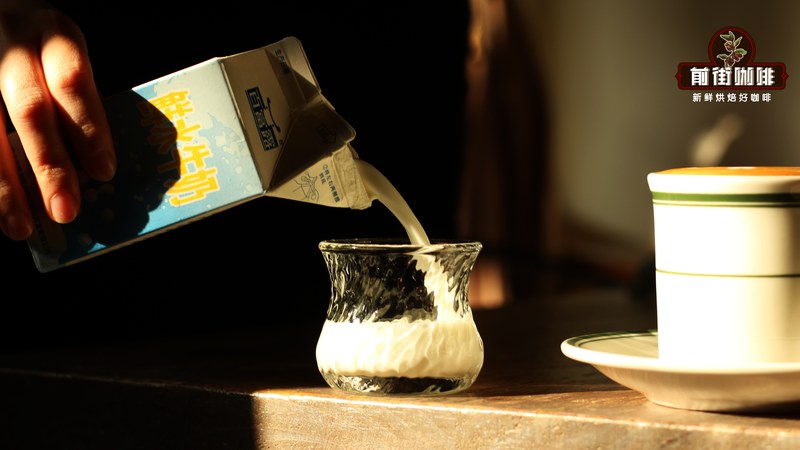
Dark roast beans are often mistakenly thought to be “necessarily bitter,” but the intensity of bitterness actually depends greatly on factors like heat level, grind size, and extraction timing. If you choose a darker dark roast bean, it’s advised to heat gently over low heat. Once you notice the coffee liquid becoming lighter in color and the flow rate noticeably accelerating, you can stop heating. This helps preserve the sweet notes of caramel and cocoa, while reducing unnecessary smokiness and dryness in the mouth.
If you prefer low acidity but don’t like the smoky notes commonly found in dark roasts, you can look for beans with a more balanced roast degree and a round texture. For example, some beans from island regions—like Papua New Guinea Paradise Bird—feature clean sweet aromas and smooth mouthfeel. When brewed in a Moka pot, they’re not overly intense, and even after adding water, they maintain good balance. They’re suitable for daily drinking and can also serve as a base for iced Americano.
When purchasing, besides paying attention to labels like “light roast,” “medium roast,” and “dark roast,” we also recommend checking the flavor descriptions and roast dates on the package to ensure the beans are fresh. For light roast beans, look for keywords like floral, fruity, citrus, or tea-like; for medium roast beans, seek out hints of caramel, nuts, and cocoa; for dark roast beans, focus on chocolate, roasty aromas, and caramel tones. In addition, store beans sealed and away from light after bringing them home. During the initial period after opening, we suggest sticking to a consistent brewing method to compare how different roast levels perform. This can help you more quickly find your own ideal flavor.
In summary, the bean selection strategy for Moka pot Americano can revolve around two main reference axes: acidity and body thickness. If you like fresh and aromatic profiles, start with light roast or lighter medium roast; if you pursue sweet, balanced flavors, medium roast is the ideal choice; if you prefer bold, low-acid, and chocolatey profiles, medium-dark to dark roast will better meet your needs. Once you’ve found your direction, you can then adjust the water ratio to control strength—and you’ll be able to easily and consistently brew a smooth, everyday-friendly Moka pot Americano.
The above content is compiled by CoffeeHunters, a coffee news website.

