







Introduction:Coffee brewed with a ⟦Moka pot⟧ tends to have a higher intensity, and the roast level of the beans directly influences the flavor profile. From bright medium roasts to rich dark roasts, each level offers unique aromatic expressions and taste characteristics. This article will help you understand the traits of three common roast levels—medium, medium-dark, and medium-dark-to-dark—and provide practical bean selection tips and brewing techniques to help you find the one that best suits your taste.
Coffee extracted with a ⟦Moka pot⟧ is usually rich and layered, and the roast level of the beans is one of the key factors determining the final flavor. Many assume that medium-dark roasts are bound to be bitter and heavy, but within this range, there are still subtle differences between beans. Some may lean toward sweet and mellow, others bring intense roasted aromas, and some offer clear and bright flavors. Understanding where a roast falls on the spectrum allows you to more accurately choose beans that match your personal preference.
Beans roasted to a medium level often retain more of the origin’s inherent flavors. Even when brewed with a ⟦Moka pot⟧, they can still display a certain level of bright acidity and aromatic complexity, without becoming overly heavy in mouthfeel. This roast level is ideal for those who prefer black coffee or enjoy flavors leaning toward medium-dark but don’t want dominant charred bitterness. When tasting, pay attention to whether the sweetness and aroma are clear, and then decide if you’d like to go for a deeper roast.
If you’re looking for coffee with more pronounced sweetness and a fuller body, consider medium-dark roasts in the mid-range. Beans in this category often balance aroma and weight—less acidic than light roasts and less likely to taste one-dimensionally roasted. The brewed coffee can be enjoyed straight or paired with a small amount of milk to create a distinct milk coffee.
Beans at this roast level tend to have softer acidity, with prominent aromas of caramel, nuts, and cocoa. They are well-suited for direct brewing with a ⟦Moka pot⟧. For instance, some South American beans exhibit distinct notes of roasted nuts and caramel sweetness. When using a ⟦Moka pot⟧, it’s recommended to apply low to medium heat to allow the water to slowly seep through, which helps better extract the aroma and sweetness. If used as a base for making a hot latte, the milk can further enhance the caramel sweetness while preserving the coffee’s intrinsic aromatic qualities.
Moving further into darker roasts, medium-dark-to-dark beans typically deliver a richer mouthfeel and a fuller texture. The aromas of these beans transition from caramel and nuts gradually to dark chocolate and baked tones, making them suitable for those who prefer intense flavors and are accustomed to adding milk or ice to their coffee. If you usually drink pure black coffee, it’s advisable to opt for a medium darkness to maintain a balance between bitterness and sweetness.
These beans also offer unique flavors in cold beverages. For example, when making an iced Americano, they can present a rich dark chocolate character with a lingering finish, perfect for savoring with ice cubes. Additionally, pairing with hot milk can soften their intensity, releasing smoother caramel and chocolate notes. If drinking straight, it’s recommended to let the coffee cool slightly before tasting to better capture the delicate sweetness and aftertaste.
When selecting, it’s advisable to carefully check the roast information of the beans. Some products labeled as “medium-dark” may actually lean toward medium or even approach medium-dark-to-dark. You can use flavor descriptions to assist in judgment—for example, beans described with terms like caramel, nuts, and cocoa are usually milder and more balanced; if words like smoky or charred also appear, the overall taste may be heavier. Those who prefer milder flavors are advised to prioritize the former.
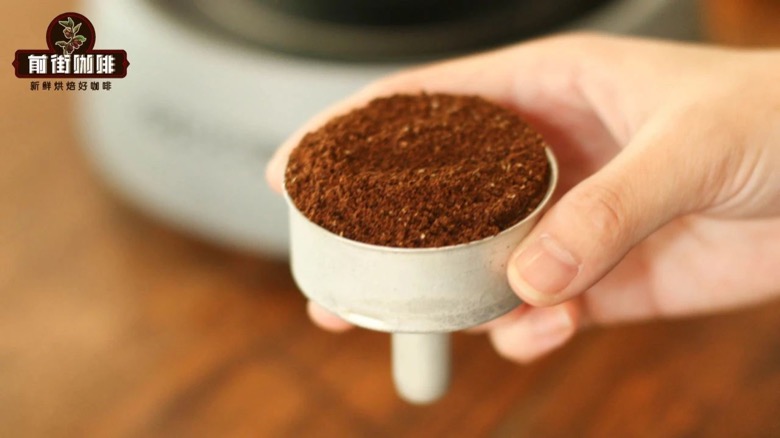
When using a ⟦Moka pot⟧, there’s no need to tamp the coffee grounds too firmly—just gently level them after filling. For medium or medium-dark beans, you can start by trying a grind slightly coarser than espresso grind. The water temperature doesn’t need to be too high, and it’s important to maintain stable heat during the heating process. When you notice the coffee liquid turning lighter in color and the extraction sound becoming more pronounced, it’s time to stop heating. This helps preserve sweetness and avoid over-extraction, which can lead to excessive bitterness.
It’s worth noting that even at the same roast level, grind size and heating method can significantly affect the final flavor. If the coffee tastes overly acidic or thin, you can try adjusting the grind to be slightly finer or maintaining a more stable heating pace. If you perceive strong bitterness or a dry throat sensation, it’s recommended to coarsen the grind and shorten the extraction time. It’s best to adjust only one parameter at a time, which helps more accurately determine whether it’s the beans themselves or the brewing method affecting the taste.
For beginners new to the ⟦Moka pot⟧, medium-dark beans are usually the easier choice to manage. If you prefer a refreshing cup with pronounced aromas, opt for beans leaning toward medium roast; if you’re aiming for sweet, smooth, nutty, and cocoa-like flavors, medium-dark roast is more suitable; if you love intense dark chocolate notes, iced Americanos, or various milk coffees, you can challenge yourself with darker roasts. Start by narrowing down based on roast level, then fine-tune according to your personal drinking habits to more easily brew a stable and satisfying coffee flavor.
The above content is compiled by CoffeeHunters, a coffee news website.

