







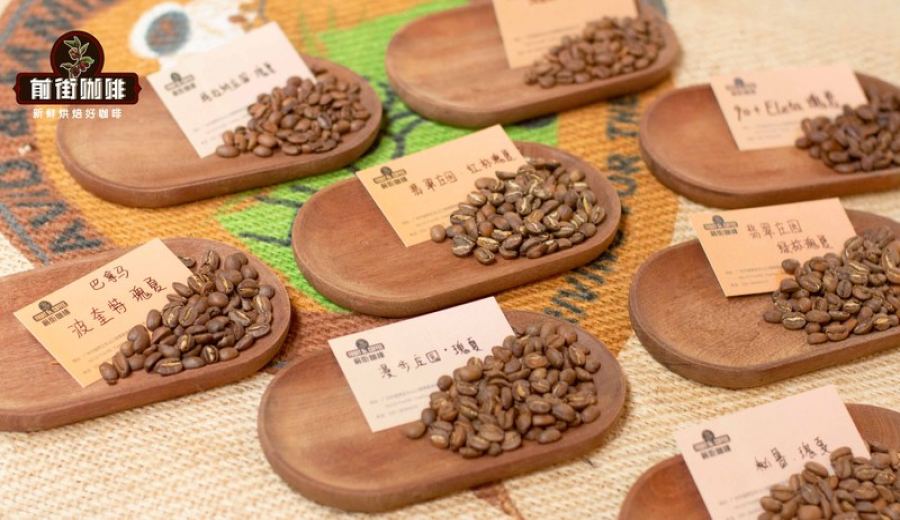
Introduction:Single-origin espresso (SOE) beans have gained immense popularity in recent years, but the same SOE can yield vastly different flavor profiles depending on the roast level. This article delves into the characteristics of light, medium, and dark roast SOEs, helping you understand how different degrees of roast influence aroma, acidity and sweetness, body, and extraction difficulty—so you can find the single-origin espresso that best suits your personal taste.
SOE, or single-origin espresso, is typically used to make espresso and is most cherished for its ability to showcase the unique terroir of its origin. However, many overlook the crucial role of roast level—not only does it affect color, but it directly determines the type of aromas you experience, the balance of acidity and sweetness, the body of the coffee, and even how easy or difficult it is to extract properly.
Two coffees labeled as SOE might be light, medium, or dark roast, but these don’t represent a ranking of flavor intensity. Rather, they indicate three distinctly different flavor directions. Therefore, when choosing, it’s recommended to first consider which mouthfeel you prefer, and then select an appropriate roast level accordingly.
Light Roast SOE: Highlights fruity aroma and bright acidity—ideal for those who enjoy vibrant profiles
The most distinctive feature of a light-roasted SOE is its ability to preserve more of the origin's native flavors. Common tasting notes include floral, citrus, berries, and even tropical fruits. In espresso form, these coffees often present bright and lively acidity, with a refreshing mouthfeel and a clean, crisp finish. If you enjoy the aromatic complexity of pour over coffee, or often drink Americano or sparkling coffee, a light roast SOE can deliver a more distinctive and recognizable flavor experience.
However, it’s important to note that light roast beans usually have a higher bean density. If ground too coarsely, brewed at too low a temperature, or extracted for too short a time, you may end up with only sharp acidity, without fully developing the sweetness or layered complexity. When using an espresso machine, it’s advisable to start with a slightly higher brew temperature or a longer extraction ratio, and observe whether you can bring out a juice-like or syrupy richness—rather than judging extraction success solely by time.
If you want to explore this type of flavor profile, look for origins and varieties known for mature grape or berry aromas. For example, certain Colombian Geisha beans often express bright notes akin to passionfruit and apricot in espresso, with a juice-like mouthfeel—even in iced Americanos, their fruity notes remain vivid, making them highly suitable for coffee lovers who favor fruit-forward profiles.
Medium Roast SOE: Balanced aroma and sweetness—perfect for everyday drinking
Medium roast is the most widely accepted roast level for SOE among many coffee drinkers because it retains some of the origin’s original characteristics while introducing moderate caramelization, resulting in more pronounced sweetness and body. Espresso made from such SOEs not only delivers rich aroma but also has a certain weightiness—maintaining the core identity of the coffee even when a small amount of milk is added, making it ideal for milk-based drinks like lattes or cappuccinos.
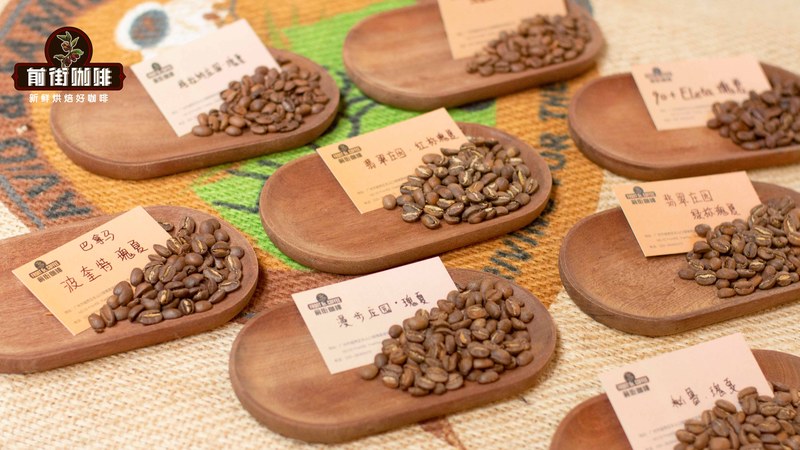
For instance, some Panamanian Red Label Geisha beans, when roasted in the light-to-medium or medium range, exhibit elegant notes of white flowers, citrus peel, and bergamot. They feel delicate and soft on the palate, with a clean finish reminiscent of black tea. With a shorter extraction ratio, the aromas become more concentrated and refined; if diluted into black coffee, the layers unfold more fully, allowing you to savor the nuanced expression of the single origin.
Keep in mind that medium roast doesn’t mean the flavors become bland. The origin’s character still comes through via the ratio of acidity to sweetness and the sequence in which aromas emerge. If a medium roast SOE tastes overly bitter, it may be due to too fine a grind or overlong extraction; if it feels thin, slightly increasing the extraction volume can help clarify the sweetness—rather than simply chasing high concentration.
Dark Roast SOE: Emphasizes bold body and chocolatey tones—great for milk coffee lovers
Dark roast SOEs steer the flavor profile toward cocoa, toasted nuts, caramel, and a fuller mouthfeel. While origin characteristics are somewhat subdued, they are not entirely lost. These coffees are generally better suited for those accustomed to traditional Italian-style espresso, who prefer low-acidity black coffee, or who frequently make lattes. The espresso from dark roast SOEs pairs well with milk, offering a balanced bitterness and sweetness with smooth milk integration, resulting in a rounder and more full-bodied drink.
When selecting a dark roast SOE, it’s advisable to check whether it still maintains clear sweetness and a clean finish. A dark color doesn’t necessarily mean high concentration—the actual mouthfeel is also influenced by dose, yield, and extraction uniformity. When making milk coffee, the espresso shot needs sufficient strength; if the milk ratio is high, choosing beans with cocoa or caramel notes can leave a stronger impression of the coffee—even with a small amount of milk, the roasted sweetness will shine through.
Some origin beans, when lightly roasted, may express citrus, berries, and floral notes—such as certain Yirgacheffe varieties—with a finish reminiscent of green tea’s freshness. But when dark roasted, their flavor shifts toward a richer, more robust profile. These are well-suited to short-shot espresso or cold brew methods, allowing the flavors to release more gently—especially cold brew, which reduces sharpness and lets fruitiness gradually emerge over time.
Conclusion: Find Your Ideal SOE Flavor Through Roast Level
In summary, roast level is an extremely valuable reference point when choosing SOE. If you’re drawn to floral-fruity aromas and bright acidity, start your exploration with light roast; if you hope to balance aroma, sweetness, and body, medium roast offers a more well-rounded option; and if you prefer cocoa notes, low acidity, and milk coffee performance, dark roast SOE should be your first choice. After selecting your beans, adjust grind size, water temperature, and yield based on actual extraction results to ultimately find a single-origin espresso that truly matches your taste.
The above content is compiled by CoffeeHunters, a coffee news website.

