







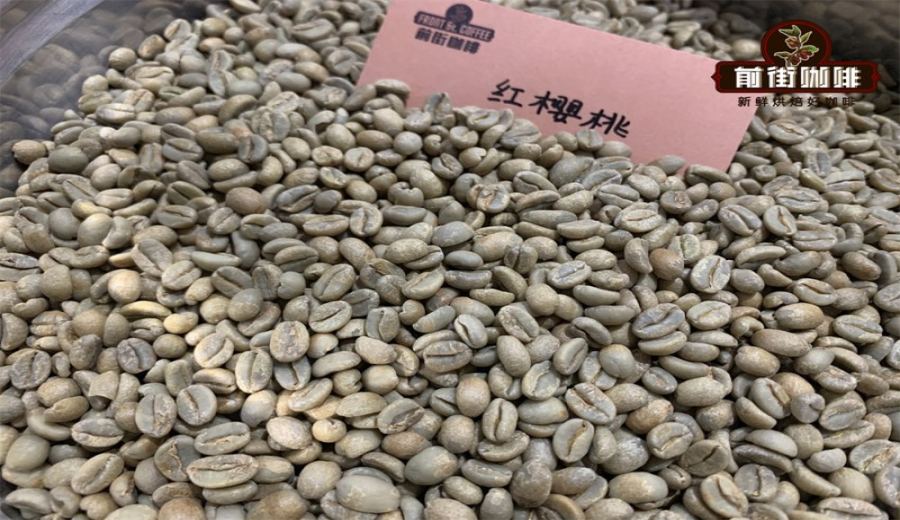
Introduction:When selecting home-use coffee beans, roast level is the most crucial entry-level indicator. From light to dark roast, it not only influences the flavor profile but also directly determines the suitable brewing methods and equipment pairings. This article will guide you through the characteristics of different roast levels and recommend several representative home-use coffee beans to help you find the beans that best match your taste preferences and brewing habits.
When choosing home-use coffee beans, it’s recommended to first check the roast level indicated on the packaging, as this can help you quickly assess whether the beans meet your flavor needs and brewing equipment characteristics. Generally speaking,Light Roastretains more of the unique characteristics of the origin, often showcasing pronounced floral notes, fruity acidity, and a tea-like quality;Medium Roaststrikes a balance between acidity and sweetness, delivering a rounder mouthfeel and distinct sweetness; whileDark Roasttends to emphasize rich cocoa, nutty, and roasted aromas, with acidity relatively subdued and a fuller body.
Light roast beans typically have a lighter exterior color, with little to no visible oil on the surface. The resulting flavors are often bright and refreshing, and as the temperature drops, they may even reveal unexpected layers of fruitiness. These beans are especially well-suited for coffee enthusiasts who enjoy savoring subtle aromas and appreciating a tea-like, clean taste. They also pair excellently with brewing devices such as pour-over cones or siphon brewers that rely on slow water infusion. If you usually prefer fruity teas or juice-like beverages, consider starting your exploration with light roast brands.
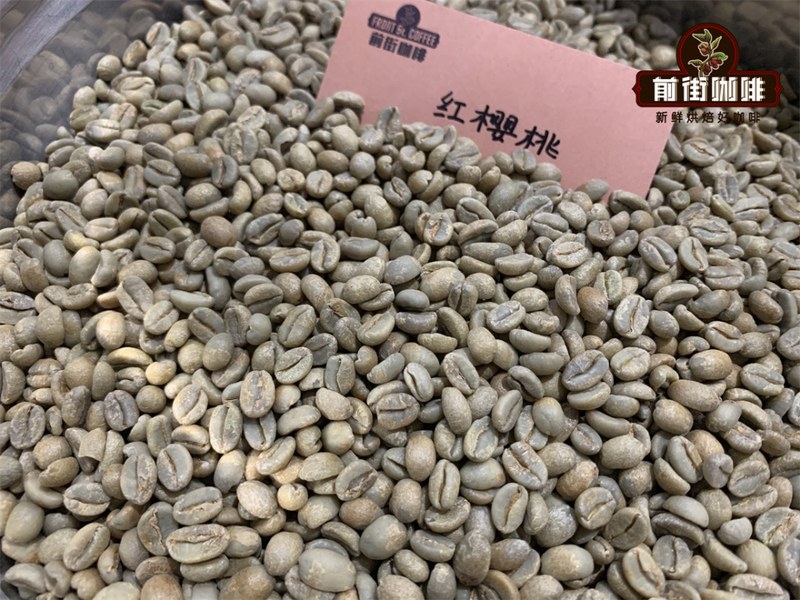
Among the many light roast options, a certain coffee brand’s Grana Estate Geisha is a standout representative with distinctive flavor characteristics. Its aroma transitions from delicate white floral notes to sweet layers of guava, ripe apricot, and berry compote. Processed using the natural method, it presents a fuller and more rounded profile. When brewed via pour over, it’s recommended to slow down the pouring rate and pay attention to the aroma shifts during hot and warm stages to fully experience its multi-layered flavor development.
Also highlighting bright fruity notes is a certain coffee brand’s Colombian Sidra. This bean delivers lively sweet-and-sour tropical fruit flavors right from the first sip, followed by emerging notes of blueberry, grape, and apricot—overall tasting like a juice-like black coffee. Hot pour-over clearly showcases its aromatic features, while adding ice makes the cup even crisper; it’s also an excellent choice for single-origin extraction (SOE) for coffee enthusiasts who love fruit-forward profiles.
Medium roast is the easiest choice for many home users. Beans at this roast level generally do not overly emphasize acidity, nor let roasty flavors dominate. Common flavor notes include caramel-like sweetness, mild fruit acidity, and moderate body. When brewed using a pour-over device, it offers good mouthfeel support; even when making Americano, it balances aroma and strength effectively.
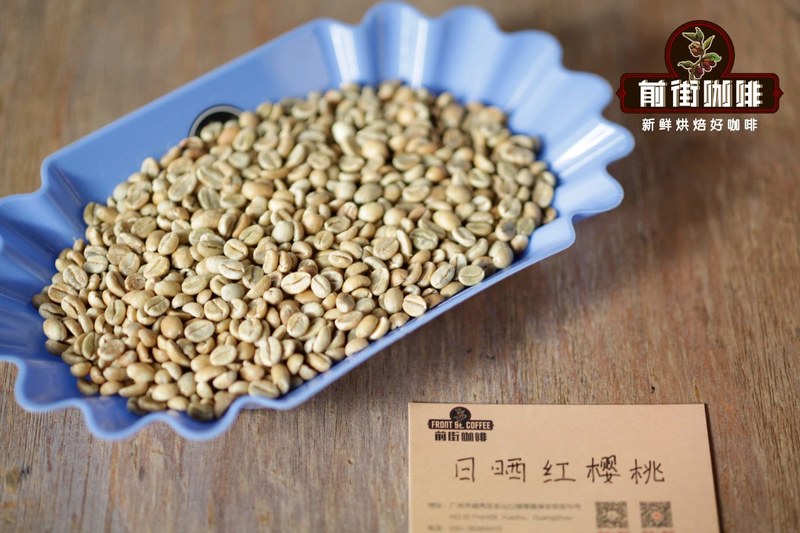
If you’re looking for a bean that’s great for slow sipping without demanding strong fruitiness, a certain coffee brand’s Panama Emerald Estate Red Label Geisha is a solid option. Its flavor profile leans toward an elegant combination of jasmine, citrus peel, and bergamot, with a tea-like, soft finish reminiscent of black tea. During brewing, it’s advised to control the water temperature—not too high—and optimal extraction conditions will better highlight its clean and light texture.
Dark roast beans are usually darker in color, with aroma profiles distinctly leaning toward dark chocolate, roasted nuts, caramel, and slight smokiness. Acidity is mostly more restrained, while the mouthfeel is richer and heavier. These beans pair exceptionally well with espresso, moka pot brewing, or milk-based drinks, making them ideal for those who prefer a bold, full-bodied coffee experience. When purchasing, look for labels indicating “medium-dark roast” or “dark roast” to ensure they meet your expectations.
It’s worth noting that roast level also affects brewing parameter settings. Light roast beans, due to their delicate and volatile flavor compounds, generally require slightly higher water temperatures and finer grind sizes to fully release their aromas. Dark roast beans, on the other hand, are best started with lower temperatures and shorter extraction times to prioritize sweetness and avoid over-extraction that leads to harsh bitterness. If you detect overly sharp acidity, you can moderately extend the extraction time; if you experience noticeable dryness or bitterness, shorten the contact time between coffee and water, or adjust to a coarser grind.
In addition to roast level, coffee beans from different brands also vary in origin, variety, processing method, and roast curve. Even if labeled as light roast, some may emphasize floral and tea-like qualities, while others might showcase intense berry or tropical fruit notes. When referencing flavor descriptions, it’s advisable to consider both roast level and specific aroma characteristics to avoid making choices based solely on the “light” or “dark” label.
For daily drinkers who primarily consume black coffee, it’s recommended to opt for light or medium roast beans with clear aromas and balanced sweetness. If you frequently make lattes or other milk-based coffees, then you should prioritize the body and milk compatibility of the coffee, where medium-dark roast is usually the more suitable choice. It’s advisable to start with small package sizes for your first tries to easily compare different roast styles, and remember to seal the package well and store it away from light after opening, aiming to enjoy it within its optimal flavor window.
In summary, from the fresh floral and fruity notes of light roast, to the balanced sweetness of medium roast, to the rich cocoa and nutty tones of dark roast—each roast level has its own unique expression. It’s suggested that you first determine a suitable roast range based on your usual brewing method and drinking preference, then further refine your selection by origin and flavor characteristics. This approach will make your choice more directed and help you more easily find that go-to bean you’ll keep coming back to.
The above content is compiled by CoffeeHunters, a coffee news website.

