







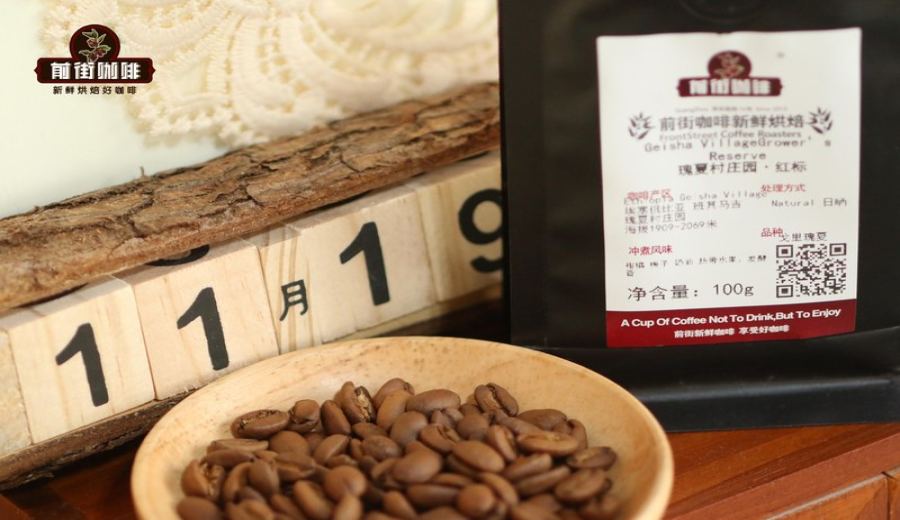
Introduction:The flavor of blended coffee beans is greatly influenced by the degree of roasting. From light to dark roast, not only are the aroma and taste distinctly different, but even the optimal brewing methods vary. This article delves into the characteristics of blends at different roast levels, including their performance in pour over, cold drip, and milk coffee scenarios, and offers practical purchasing and brewing advice to help you find the most satisfying coffee experience based on your personal preferences.
The flavor direction of blended coffee beans can first be observed from the roasting level. Lighter roasts often showcase bright aromas and lighter body in the cup; as the roast deepens, layers such as nuts, cocoa, and caramel gradually emerge, and the mouthfeel becomes fuller and more substantial. It’s recommended to first clarify whether you prefer a refreshing flavor or a rich body, and then further select specific beans — your choice will be more directed this way.
Blended beans that are lightly roasted are particularly suitable for those who enjoy distinct aromas and bright, sweet-and-acidic tones. When brewed with hot pour over, fruity, floral, and even candy-like aromas are more pronounced; when made into iced coffee, the coolness better highlights its light and sweet characteristics. If you generally prefer a softer, fuller-bodied coffee, it’s suggested to start with medium-light roasted blends and gradually adapt.
Light or medium-light roasted blends are more sensitive to brewing rhythm and parameters. It is recommended to start with a slightly higher water temperature range to help fully release the aroma. If you find the flavor too sharp upon tasting, you can slightly adjust the grind to a finer setting or extend the contact time between water and coffee grounds; conversely, if the aftertaste feels astringent, reduce excessive stirring or flushing to maintain clarity and balance in the cup.
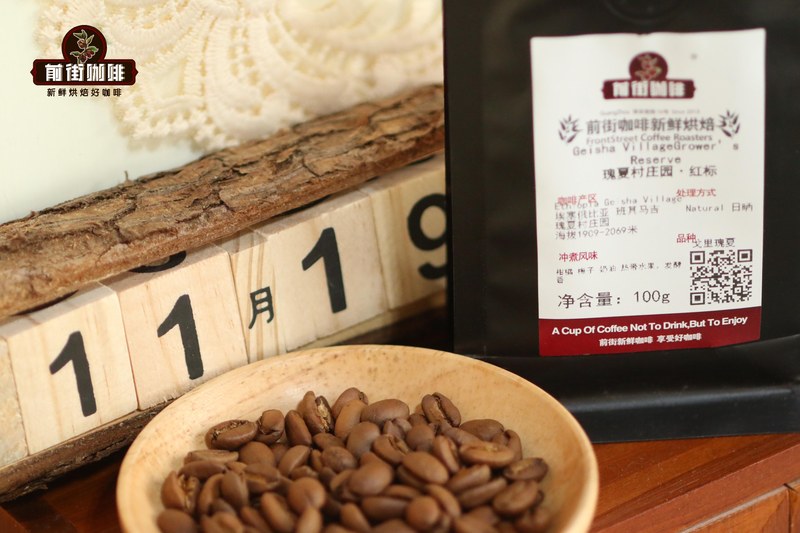
Take ‘Strawberry Candy Coffee Beans’ as an example — this bean can be categorized as a light-flavored type. Upon tasting, it delivers a sweet aroma reminiscent of berry candies, with an overall style that is lively rather than heavy, and won’t overwhelm your palate. Brewing with hot pour over allows its aromatic qualities to be more clearly appreciated; making it into a fruit-forward Americano with ice also offers a unique flavor; if you choose to make a milk coffee, it’s advised to reduce the milk ratio to preserve the coffee’s inherent sweetness more fully.
Medium-roasted blends usually strike a balance between aroma expression and body thickness. They offer a moderate level of sweetness without overly emphasizing roast flavors. These beans are suitable for those who want to enjoy pure black coffee while expecting a smooth and mellow mouthfeel, and they also allow for flexible switching between different brewing methods. When brewed with pour over, their performance is generally well-balanced; when extracted using an espresso machine, they more easily yield a smooth and full-bodied coffee liquid.
‘Brazilian Queen Estate’ can serve as a representative reference for the medium roast style. The nutty, cocoa, and caramel sweetness of this blend are well-coordinated, with a mild acidity and an overall mouthfeel that doesn’t feel thin. Brewing through a filter allows you to fully appreciate its soft sweetness; if using an espresso machine or moka pot, it’s very suitable for consumers who enjoy a round and full-bodied mouthfeel without prominent bitterness.
Medium-dark roasted blends gradually shift their flavor focus toward dark chocolate, roasted nuts, and caramel tones. The aroma may not be particularly striking, but they often deliver a longer aftertaste. These beans generally blend well with milk — when making lattes or flat whites, the coffee flavor is not easily overwhelmed by the milk; even when making Americano, they retain sufficient body.
Blends leaning toward dark roast are more suitable for those who prefer a concentrated feel and a solid mouthfeel. When brewing, there's no need to pursue high temperatures or excessively long extraction times, as this may cause bitterness and dryness to become overly prominent. It’s advised to use a slightly lower water temperature and a somewhat shorter extraction time, allowing cocoa and nut tones to take the lead, resulting in a smoother and more balanced mouthfeel.
Take ‘Dark Cocoa Blend’ as an example — its flavor leans toward dark chocolate, roasted nuts, and a thick sweetness, with low acidity presence. Using an espresso machine to make espresso creates a substantial coffee base; when diluted into an Americano, the flavor remains intense; if milk is added, it presents a flavor direction similar to cocoa milk candy, making it very suitable for breakfast or pairing with desserts.
When selecting blended coffee beans, it’s recommended to check whether the packaging clearly describes the roast level and indicates the recommended brewing method. For light roasts, focus on whether the aroma and sweet-acid profile meet your expectations; for medium roasts, pay attention to the sweetness and overall smoothness; for dark roasts, emphasize the continuation of cocoa, nut aromas, and aftertaste. If you want to reduce purchasing risks, it’s advised to first buy small trial-size packs, which can help more easily compare the differences in characteristics among beans of varying roast levels.
In addition, even within the same roast level, differences in blend ratios can lead to variations in flavor expression: some recipes emphasize aroma, some enhance body, and others focus on sweetness. Upon receiving a new bean, you can first brew a cup using a stable coffee-to-water ratio, then adjust the grind size and brewing parameters based on the actual flavor performance (such as concentration, sweet-acid balance, and finish). Gradually identify the roast level range that suits you, and bean selection will become much more intuitive in the future.
The above content is compiled by CoffeeHunters, a coffee news website.

