








Introduction:Choosing the right roast level of coffee beans is the first step to making great-tasting coffee with a fully automatic coffee machine. This article provides an in-depth analysis of the characteristics of light, medium, medium-dark, and dark roasts, and explains how different roast levels affect extraction performance, aroma release, and milk coffee compatibility. It also offers practical suggestions to help you find the most suitable beans and basic adjustment direction based on your daily drinking habits.
Fully automatic coffee machines can make espresso, Americano, and various milk-based coffee drinks, but the roast level of the beans greatly influences the extraction results. From flow rate, aroma layers to mouthfeel, all are closely related to the roast degree. Rather than focusing solely on origin or flavor labels, it’s better to first clarify your preferred roast type, then adjust the machine settings accordingly. This way, brewing satisfying coffee becomes much easier.
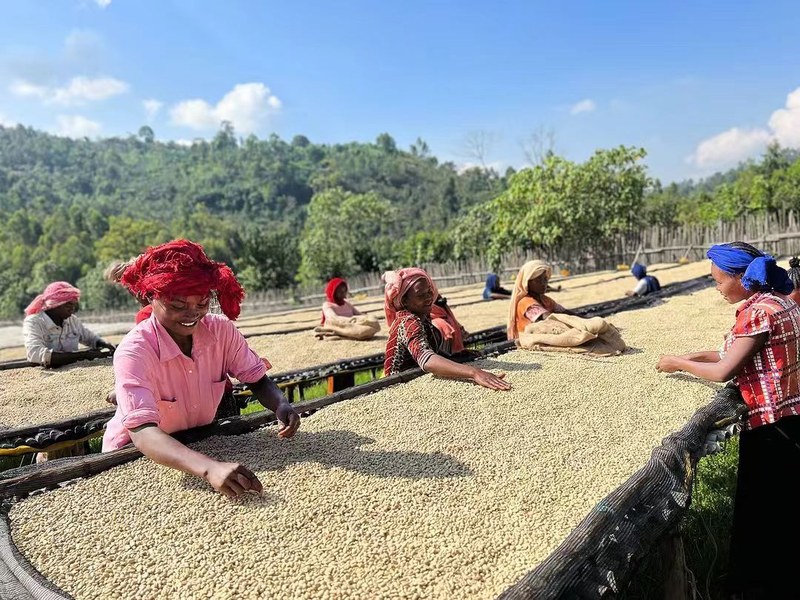
Light roast beans retain more fruit acidity and floral notes, often yielding flavors that are fresh and bright, sometimes with citrus, berries, or even delicate tea-like undertones. However, most fully automatic machines have preset grind size, tamping pressure, and extraction time, which may not fully bring out the subtle aromas of tightly structured light roast beans. If your machine supports higher water temperature, finer grind, and longer extraction time, you can try light roast beans; but if you prefer a stable and bold taste, it’s recommended to start with medium roast or darker.
Medium-light to medium roast falls within a more flexible range, often balancing common acidity and sweetness, nuttiness, and subtle caramel notes. Black coffee made from these beans won’t be too thin, and when a small amount of milk is added, the original aromatic profile of the coffee can still be preserved. For those who usually drink Americano or espresso but don’t want obvious bitterness, this roast range is very user-friendly. It’s suggested to start with a medium grind size and normal water temperature, then fine-tune parameters based on the sweetness and strength in the cup.
Medium-dark roast beans undergo longer heat treatment, bringing out more pronounced caramel, cocoa, and roasted nut flavors, while acidity is relatively subdued, and the espresso tends to have a fuller body. For those who make lattes, flat whites, or cappuccinos daily with a fully automatic machine, these beans blend well with milk, and the original coffee flavor isn’t easily masked by the milk, making them highly suitable for home use.
Dark roast beans are characterized by intense roasted aromas, dark chocolate, and caramel tones, offering a full-bodied mouthfeel with a weighty aftertaste. These beans are not only ideal for espresso and Americano lovers but also a popular choice among many milk coffee drinkers. However, be aware that dark roast beans may not work perfectly with preset parameters. If you notice obvious burnt or bitter notes, try using a coarser grind, reducing the shot volume, or slightly lowering the water temperature to enhance sweetness and overall smoothness.
Roast level also affects the extraction reaction characteristics of the beans. Generally speaking, light roast beans require more complete extraction conditions to showcase their delicate flavors, while medium-dark and dark roast beans can reach ideal concentration in a shorter time. Since fully automatic coffee machines emphasize ease of use, when selecting beans, it’s advisable to first consider the grind size and water temperature range provided by the machine itself. If your machine has limited grind settings or no water temperature adjustment, it’s recommended to choose medium to medium-dark roast beans, which tend to deliver more stable brewing results.
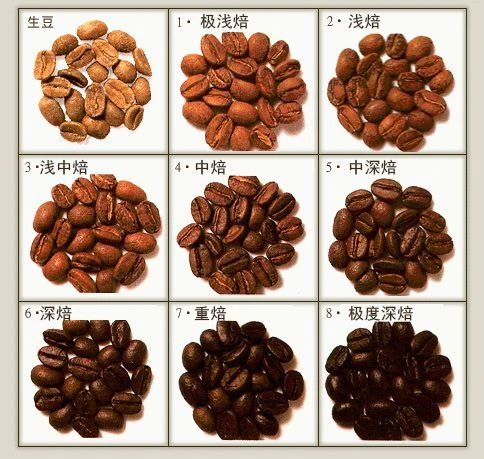
If you’d like to start with a medium roast, you might want to look for specialty blends based on Brazilian Cerrado and Colombian Huila. These beans offer a sweet and mellow taste of nuts and caramel, along with soft cocoa notes, featuring a well-balanced and layered flavor profile. When used in a fully automatic machine for black coffee, the aroma is clear and well-supported; when made into a latte, the coffee and milk maintain a distinct layering, making it suitable for versatile single-origin use.
For readers who prefer medium-dark roast flavors, a classic blend is worth considering. This bean features roasted nuts, cocoa, and caramel as its main flavor profile, with a thick and substantial espresso texture that doesn’t turn hollow even as an Americano. When hot milk is added, the caramel sweetness becomes even softer. It’s recommended to set the machine to fixed coffee dose and cup size for a quick and enjoyable milk coffee every day.
If you’re accustomed to the bold taste of dark roast, the Dark Cocoa Blend will better suit your preference. This bean combines dark chocolate, nuts, and a solid sweetness, with acidity being almost unnoticeable. When used in a fully automatic machine for espresso, it delivers a notable sense of weight in the cup; even when brewed as an Americano with just water, the flavor remains clear. With milk added, it creates a creamy texture reminiscent of chocolate sauce.
Finally, a reminder: when purchasing, besides paying attention to roast level, also check the roast date and packaging information. Even beans of the same roast degree may vary in actual performance due to differences in batch, recipe, and resting time. When trying a new batch for the first time, it’s advisable to start with a shorter extraction and smaller cup size to test concentration, bitterness, and sweetness before gradually adjusting the grind setting. In addition, avoid keeping the bean hopper fully loaded at all times; it’s best to store only one to two weeks’ worth of beans to better track flavor changes over time.
In summary, when choosing coffee beans suitable for a fully automatic coffee machine, you can start by considering roast depth: if you desire bright fruit acidity and aroma, light or medium-light roast is worth exploring; for a balance of sweetness and overall harmony, medium roast is an ideal starting point; if you prefer a strong coffee flavor and good compatibility with milk, medium-dark and dark roasts are more worthy of experimentation. Once you’ve identified your preference, make detailed adjustments based on the specific flavor characteristics of the beans and the adjustable parameters of your machine, and you’ll be able to consistently brew daily coffee that suits your taste.
The above content is compiled by CoffeeHunters, a coffee news website.

