







Introduction:When selecting coffee beans with floral characteristics, it’s not just the roast level that matters—you also need to consider the processing method, regional traits, and brewing technique. This article will delve into how floral notes manifest across light to dark roasts, offering practical pour-over advice and flavor identification tips to help you find the floral coffee beans that best suit your taste.
Many people’s first impression of coffee might be its intense bitterness or rich roasted aroma, but in fact, quite a few coffee beans also boast delicate and captivating floral notes. These flavors often feature elegant floral scents such as jasmine, orange blossom, and rose, and may also be accompanied by fresh fruit notes like white grape, citrus, or berries. The way these aromas are expressed is closely tied to the roast level: with light roasts, floral notes are as vivid as freshly bloomed flowers; medium roasts add a honey-like sweetness; and in dark roasts, floral aromas often transform into dried flower, cocoa, or even toasted notes. If you’re aiming to enjoy clear floral notes, starting with the roast level is a good approach.
Lightly roasted coffee beans typically retain more of the region’s original characteristics, so floral aromas often appear alongside fruity acidity—drinking them can feel like sipping floral tea or fresh juice. As the coffee cools, the layers of aroma may continue to evolve. For those new to this type of flavor, the acidity might seem quite lively, but this vibrancy is more expressive than harsh. To make the acidity and sweetness smoother and the floral notes easier to release, you can slightly lower the water temperature and avoid grinding the beans too finely. Such adjustments can lead to a more balanced overall flavor.
If you prefer a refreshing combination of citrus, berries, and tea-like qualities, a certain brand’s Yirgacheffe Guji Dingding is worth trying. This light-roast bean, when brewed using a pour-over, presents bright citrus and berry tones in the first sip, gradually reveals light floral notes in the middle, and finishes with a sweet aftertaste reminiscent of green tea. For more pronounced aromas, you can use a higher water temperature and perform quick, segmented pours; if you opt for cold brew instead, the acidity will be more subdued, making the fruity-floral profile ideal for savoring slowly. Additionally, this type of light-roast floral bean is particularly well-suited for pour-over and is also recommended for ice drip brewing. Hot water enhances the aroma layers, while ice helps concentrate sweetness and fruitiness. When brewing, it’s advised to first wet the coffee grounds with a small amount of hot water to release the aroma before gradually adding more water—this prevents uneven extraction caused by an overly aggressive initial pour. If you find the taste lacks sweetness and is only acidic, try slightly adjusting the grind to a finer setting or extending the middle pour time to ensure full extraction.
From medium-light to medium roasts, floral expressions usually don’t stop at bright high notes but blend with honey, ripe fruit, and syrupy sweetness. These coffees offer a rounder mouthfeel, and while the acidity remains lively, it’s less likely to come across as sharp. For consumers accustomed to milk coffee or iced coffee who still want to preserve floral and fruity notes, this roast range is often more easily integrated into daily beverage choices.
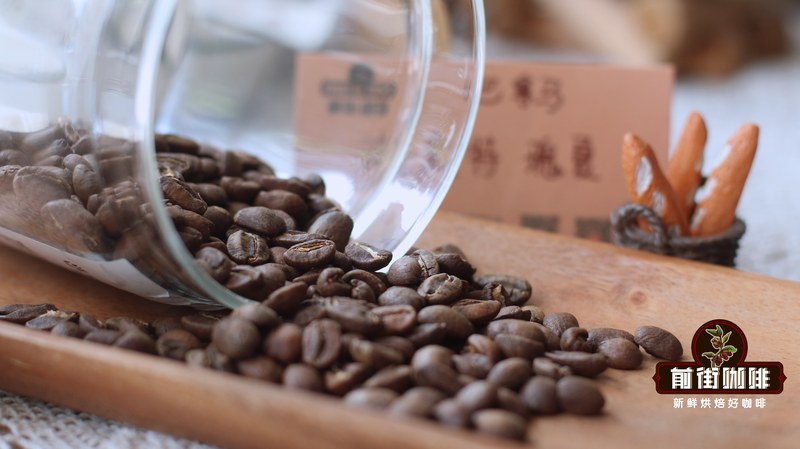
A certain brand’s Ethiopian Huaguai is one representative of the medium-light roasted floral style. Its aroma features bright fruit notes like tropical fruits, strawberries, and passionfruit, with a distinct sweetness on the palate that blends like fruit jam and honey. For pour-over, it’s recommended to use medium water temperature to preserve more sweetness; choosing ice drip can highlight the clarity of the fruit aroma. For cold brew, extended steeping will make the acidity rounder, and it’s advised to prepare it in advance and enjoy it chilled. Moreover, the same floral bean, when ground to different coarseness levels and served at varying temperatures, can show significantly different flavor profiles. A coarser grind yields a lighter, more brisk aroma but may lack some sweetness; a finer grind enhances richness and the intensity of floral-fruity notes, though care should be taken to avoid dryness in the aftertaste. It’s suggested to first brew a cup with a fixed dose and taste it separately at hot and slightly cooled temperatures, noting when the floral notes emerge, then adjust grind size and water temperature accordingly.
The floral notes in medium-roast coffee beans are often complemented by caramelized sweetness, which, while not as direct as in light roasts, offers richer layers and a smoother mouthfeel. These coffees are suitable for morning pick-me-ups, afternoon breaks, and can also be paired with a small amount of milk. When making iced Americano, medium-roast floral beans won’t leave just a thin acidity—even as the ice melts, the fruity-sweet notes remain. Adding milk will make the combined flavors of honey, milk candy, and ripe fruit more pronounced.
As the roast level deepens further, the originally bright floral notes akin to fresh flowers gradually transform into dried flower, spice, cocoa, or roasted nut profiles, with acidity noticeably diminishing and the mouthfeel becoming richer. If your goal is to find distinctly recognizable jasmine or orange blossom aromas, dark roasts are generally not the first choice; but if you appreciate a balanced presentation where floral notes coexist with a robust mouthfeel, you might want to look for medium-dark roast beans with a fruity-floral base, and amplify their sweet richness through Americano or milk coffee formats.
In summary, when selecting floral-flavored coffee beans, the roast level indicated on the package is just an introductory reference. You should also comprehensively observe the origin, details of the processing method, and flavor descriptions to determine whether keywords like flowers, tea-like qualities, or ripe fruit are present. Light roasts are suitable for pour-over and ice drip, highlighting fresh floral and fruity acidity; medium roasts are broadly applicable, balancing aroma and mouthfeel; dark roasts cater more to those seeking bold, intense beverages. It’s recommended to first decide on the acidity level you can accept, then fine-tune based on floral intensity, sweetness richness, and your preferred drinking temperature—this way, the aromas in your cup will better align with your daily preferences.
The above content is compiled by CoffeeHunters, a coffee news website.

