








Introduction:Want to try Ethiopian Yirgacheffe but not sure where to start? In fact, choosing based on roast level is the most intuitive and high-value entry method. The three main roast styles—light, medium, and medium-dark—highlight the brightness of citrus floral tea, the balance of fruity sweetness, and the richness of caramel cocoa, respectively. Whether you're a pour over enthusiast or prefer milk coffee, you'll find a bean that suits your taste. This article details the characteristics of each roast stage, extraction tips, and practical recommendations to help you choose the right beans and brew them to perfection.
As a high-altitude specialty coffee region in Ethiopia, Yirgacheffe is known for its diverse and layered flavors. One of the most practical ways to select beans is by looking at roast level. Different roast degrees greatly affect the final acidity-sweetness balance, aroma profile, and mouthfeel. Light roasts emphasize fruit acidity and tea-like qualities, medium roasts focus on sweetness and smoothness, while medium-dark roasts showcase caramel and nutty notes. When on a budget, clarifying your preferred flavor profile is more helpful than simply looking at the word "region" to find your ideal coffee beans.
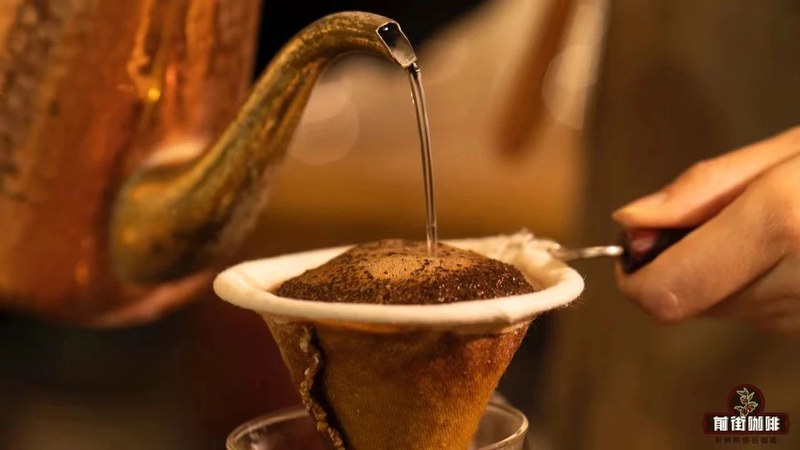
Light-roasted Yirgacheffe is best suited for those who enjoy a clean taste and pronounced fruit aromas. These beans often carry delicate scents of citrus, white flowers, berries, and even tea leaves. They perform brightly when hot and often release additional sweetness as they cool, making them not only great for solo morning sipping but also an excellent choice for iced pour over. If you’re used to drinking light beverages, light roast beans make it easier to detect the subtle nuances in coffee.
However, light roasts are more sensitive to brewing conditions. It’s recommended to use water with clean taste and moderate mineral content, with a temperature starting from 90 to 93°C. Try to maintain a steady pouring flow rate and avoid over-agitating the coffee bed. Let the aromas release naturally first, then adjust grind size slightly if the acidity feels too sharp. When extracted well, light-roast Yirgacheffe will exhibit a lively, juice-like vibrancy rather than a thin, sour punch.
If you want to keep costs down, look out for some high-value options. Some common Ethiopian light-roast beans often have a refreshing orange-like aroma, with sweet ripe apricot notes in the mid-palate and an oolong tea-like finish. These beans aren’t heavy but offer clear sweetness transitions, making them suitable for both pour over and iced pour over. Slightly cooled, their fruity sweetness becomes even more pronounced, perfect for first-time Yirgacheffe drinkers.
Medium-roasted Yirgacheffe is a highly flexible choice for everyday drinking. This roast level doesn’t overly amplify acidity nor does it suppress the region’s unique aromas into roasted flavors. It often achieves a good balance between aroma, sweetness, and body. When brewed as pour over, you can taste the fusion of fruit and tea, and even as Americano, the flavors remain clear. With a small amount of milk added, it still retains a soft sweetness, making it very suitable for family or shared settings.
If you enjoy floral and fruity notes but worry that light roast is too light, medium or medium-light roast is a more approachable transition option. At this point, pay special attention to processing differences. Natural-processed beans usually have richer ripe fruit and fermented sweetness, while washed-processed ones tend toward a cleaner and crisper profile. It’s recommended to start with small sample packs to confirm whether you like the aroma intensity and flavor direction at a lower cost.
Medium-dark roasted Yirgacheffe isn’t just about bitterness—the key lies in mastering the roast curve and extraction method. As the beans enter the medium-dark range, the originally prominent floral and fruity notes gradually recede, giving way to caramel, cocoa, and roasted nut aromas. The acidity becomes softer, and the mouthfeel gains more body. For those accustomed to milk coffee, using a moka pot, or preferring bold Americanos, this style integrates more easily into daily drinking habits.
When brewing medium-dark Yirgacheffe, it’s recommended to use slightly lower water temperature and shorter extraction time to avoid excessive dryness in the finish. If using it for espresso extraction, ensure the coffee liquid has sufficient concentration before adding milk to observe whether the sweetness remains clear. When using a moka pot, control the flame to maintain stable output. If the flavor seems bitter, prioritize adjusting to a coarser grind or shortening the extraction time.
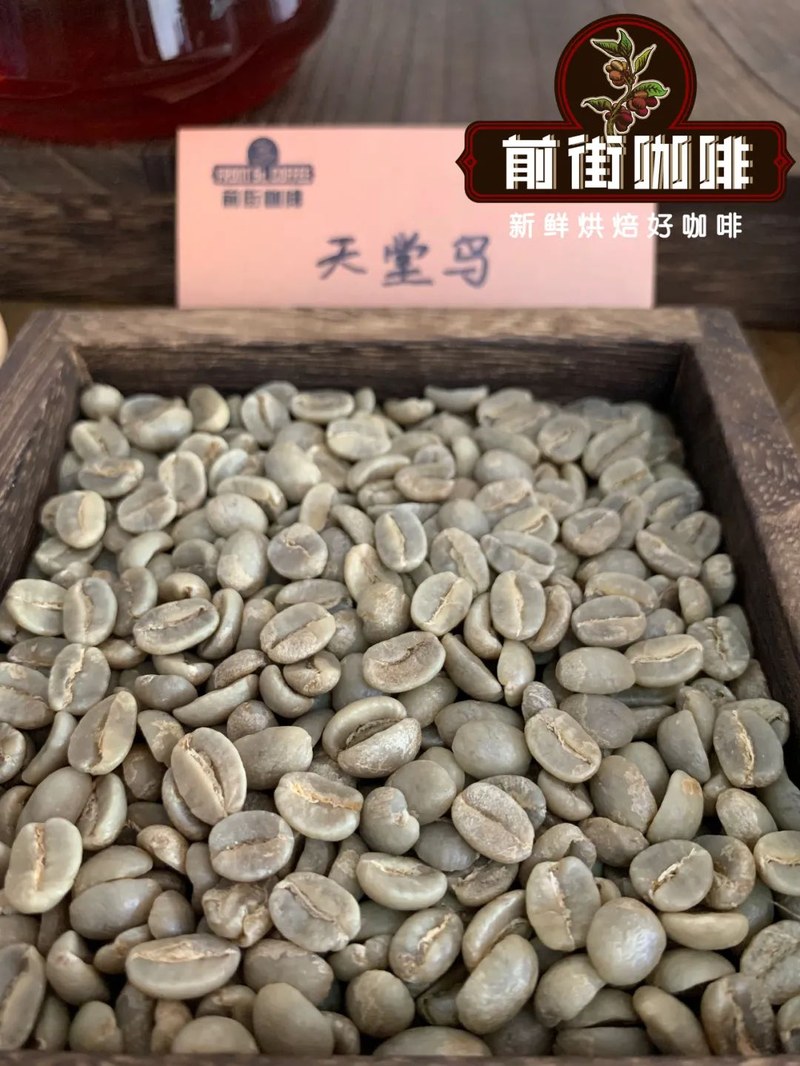
Evaluating the value of coffee beans involves not just the price but also roast date, packaging seal quality, and purchase quantity. Light roast beans usually require a fuller rest period, medium roast beans have a relatively broad optimal drinking window, while medium-dark roasts are best enjoyed fresh to experience their peak flavors. For general home users, there’s no need to buy in bulk—try two small packs of different roast levels from the same region, compare their aromas, sweetness, and mouthfeel, and then decide your long-term drinking direction.
Beans from the same Yirgacheffe region can also present vastly different personalities due to variety, processing method, and roast curve. Therefore, when reading packaging info, don’t just look at roast level—combine it with flavor descriptions for a comprehensive judgment. Want fresh floral and juice-like notes? Prioritize light roast. Looking for sweet, balanced options? Consider medium roast. Prefer milk-forward and full-bodied profiles? Medium-dark roast is the better target. Screening step-by-step in this order, Yirgacheffe won’t just be a novelty bean, but an ideal coffee that truly fits into your daily life.
The above content is compiled by CoffeeHunters, a coffee news website.

