







Introduction:Ethiopian Yirgacheffe coffee beans exhibit distinctly different flavor profiles depending on their roast level, ranging from bright floral and fruity notes to rich chocolate and nutty aromas. This article will help you choose the most suitable roast level based on your personal drinking habits, and provide practical brewing tips and guidance so you can enjoy the purest regional characteristics of this coffee at a reasonable budget.
The charm of Yirgacheffe coffee beans lies in how their flavor expression changes drastically with different roast levels. From the prominent citrus, berry, and tea-like freshness of light roasts, to the honey sweetness and full body of medium roasts, all the way to the intense cocoa and nutty aftertaste of dark roasts. If you want to experience the diverse personality of this renowned Ethiopian bean at a reasonable price, the key is not the price itself, but understanding how your personal preferences match with the characteristics of each roast.
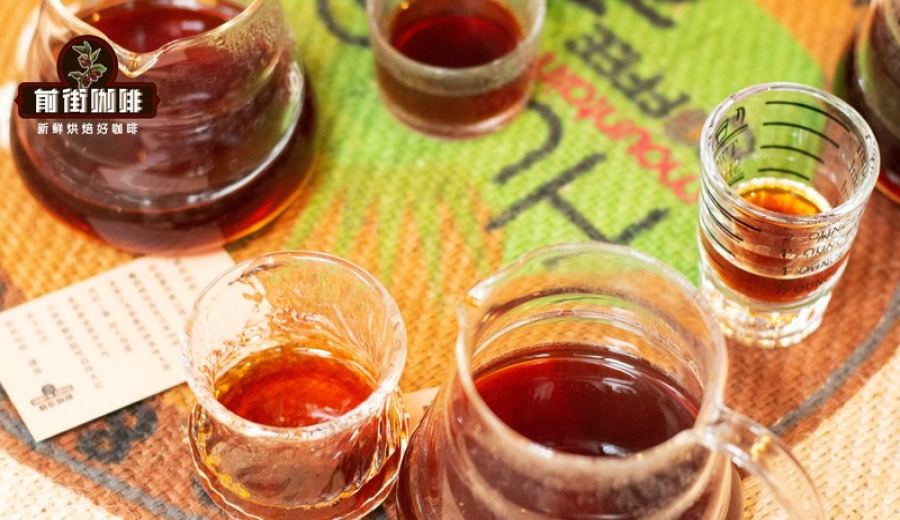
Lightly roasted Yirgacheffe typically retains the most of its original flavors, emphasizing bright acidity and clear fruity notes. Upon tasting, it often presents layers of citrus, berries, white flowers, or even subtle tea aromas. These beans are especially well-suited for pour over using a dripper, where slight adjustments in water temperature, grind size, and pouring rhythm can bring out varying flavor profiles. Coffee enthusiasts who enjoy delicate fruitiness and are willing to take the time to appreciate shifts in temperature and layers will often appreciate this style the most.
The value of light roast beans lies in the richness of their flavors, rather than simply pursuing strong intensity. If you’re used to drinking black coffee, iced pour over, or cold brew, it’s recommended to prioritize this type. When served hot, the acidity is clear and bright; when chilled, the taste becomes even crisper, and at lower temperatures, it highlights a juice-like refreshing quality.
Taking a common representative of light roast flavors as an example, it often carries the bright scent of orange peel and citrus upon entry, followed by the sweet aroma of berries, with a finish as refreshing as mild green tea. Through the pour over method, you can clearly observe the aroma transitions brought by each variation in water temperature and pouring. If you switch to cold brew, the overall profile becomes even softer and smoother, making it highly suitable as part of your everyday black coffee options.
When brewing lightly roasted Yirgacheffe, it is recommended to start with a slightly higher water temperature and a finer grind size to help fully release the aroma. If you perceive sharp acidity, you can appropriately slow down the pouring speed or slightly coarsen the grind. The coffee-to-water ratio doesn’t need to be overly complicated—start by fixing the ratio and observing the aroma consistency, sweetness expression, and whether the finish is balanced. This helps in finding the cupping experience that best suits you.
Moving into the medium roast stage, the bright fruit acidity of Yirgacheffe becomes slightly more restrained, giving way to a more noticeable sweetness and fuller body. Common flavors include honey, caramel, ripe fruit, and tea-like nuances. Beans roasted to this level offer greater versatility across different brewing methods. Pour over can still maintain a good level of clarity, while making Americano doesn’t easily come out thin—making it quite suitable for sharing among family members or for beginners trying it for the first time.
If you usually enjoy black coffee but also occasionally add milk, medium roast Yirgacheffe is a more convenient choice. The coffee liquid itself has a solid foundation of sweetness and texture, and even with milk added, it still retains the bean’s inherent aromatic characteristics. When making espresso, it is recommended to start with a medium concentration and adjust to achieve a balance between acidity, sweetness, and bitterness. It also offers relatively high tolerance for everyday use.
Dark roasted Yirgacheffe pushes the region’s unique floral notes into the background, shifting the flavor focus to cocoa, roasted nuts, and a rich caramel sweetness, along with a more pronounced balance between bitterness and sweetness. This roast is suitable for use in a moka pot, espresso machines, or as a base for milk coffee. Drinkers who prefer a full body and a robust finish will particularly favor this style. During brewing, care should be taken to control heat and extraction time to avoid over-extraction, which could lead to burnt flavors overpowering the bean’s original characteristics, thus maintaining a smooth and layered mouthfeel.
When selecting Yirgacheffe of the same roast level, in addition to the roast level itself, it’s also important to pay attention to the roast date, packaging seal, and purchase quantity. Buying in large quantities at once may seem cost-effective, but once the bag is opened, the aroma will gradually dissipate over time, ultimately affecting the actual flavor experience of each cup. It’s recommended to start with small packages for trial, then restock according to your consumption rate, which makes it easier to maintain consistent drinking quality.
For readers on a limited budget but who hope to establish a personal coffee taste benchmark, you might consider starting with a light roast Yirgacheffe, brewed both as hot pour over and cold brew, comparing the differences in acidity, sweetness, and mouthfeel. If you find that you prefer a fuller body or often make milk coffee, you can then gradually try medium and dark roast options. By exploring step-by-step according to roast level, you can not only effectively control spending but also more accurately find that one cup that suits your daily drinking preference.
The above content is compiled by CoffeeHunters, a coffee news website.

