







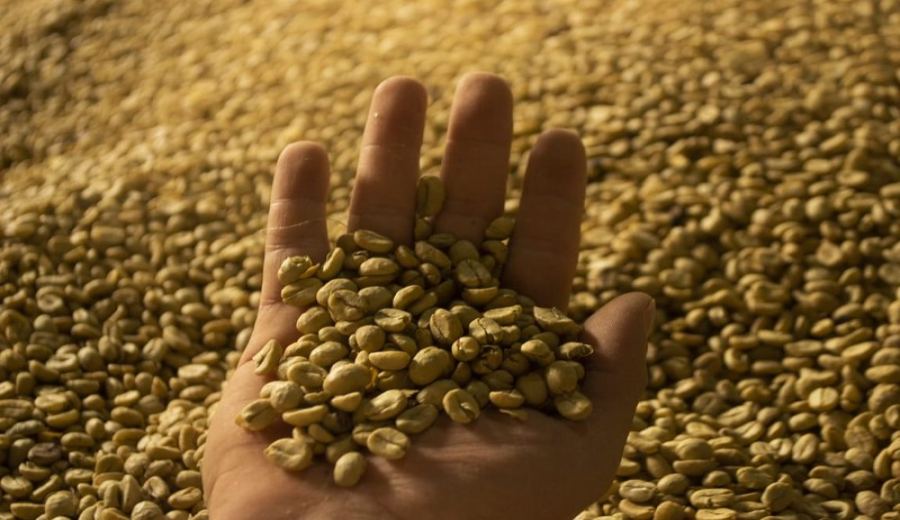
Introduction:When selecting daily coffee beans under a hundred yuan, the key isn’t how luxurious the flavor descriptions are, but whether the beans truly match your brewing habits, budget, and taste preferences. Filtering by roast level is a practical strategy many coffee enthusiasts use: light, medium, and dark roasts not only influence acidity, sweetness, aroma, and mouthfeel structure, but also determine the most suitable brewing methods. This article will guide you step by step through the characteristics of different roast levels and pairing suggestions, helping you easily find your ideal everyday bean.
When buying coffee beans within your budget, the focus isn’t on how rich the flavor vocabulary is, but whether the beans can fit seamlessly into your daily coffee moments. For most people, finding a bean that’s smooth, consistent, and matches personal drinking habits is the real value-for-money choice. Roast level is the most straightforward starting point—different roast depths affect acidity, sweetness, aroma, overall body, and directly relate to suitable brewing methods—pour over, espresso, or milk-based coffee. It’s recommended to start with the style you drink most often and are most willing to revisit, so your budget is well spent.
Light roast beans usually retain more of the origin’s native characteristics, such as citrus, berries, floral notes, or even subtle tea-like tones. They’re bright and refreshing on the palate, and often reveal more pronounced sweetness layers as they cool. These beans are perfect for brewing via pour over, cold drip, or cold brew, especially appealing to those who prefer a clean, fruit-forward profile. However, due to their delicate flavors, light roasts are more sensitive to water temperature, grind size, and pouring rhythm—slight adjustments can lead to excessive acidity or thin taste. For beginners new to this style, it’s advisable to start with beans on the medium-light side, which preserve clear aromas while maintaining overall balance.
Medium roast is the most friendly and easy-to-integrate option among hundred-yuan everyday beans. These beans have relatively mild acidity, with sweetness centered around caramel, nuts, and hints of cocoa, resulting in a rounder overall flavor profile. Whether hot or cooled down, they remain enjoyable and smooth. Using a pour over method highlights their gentle aroma, while switching to espresso can also deliver a full-bodied and balanced cup—perfect for those whose home setup varies or occasionally change brewing styles.
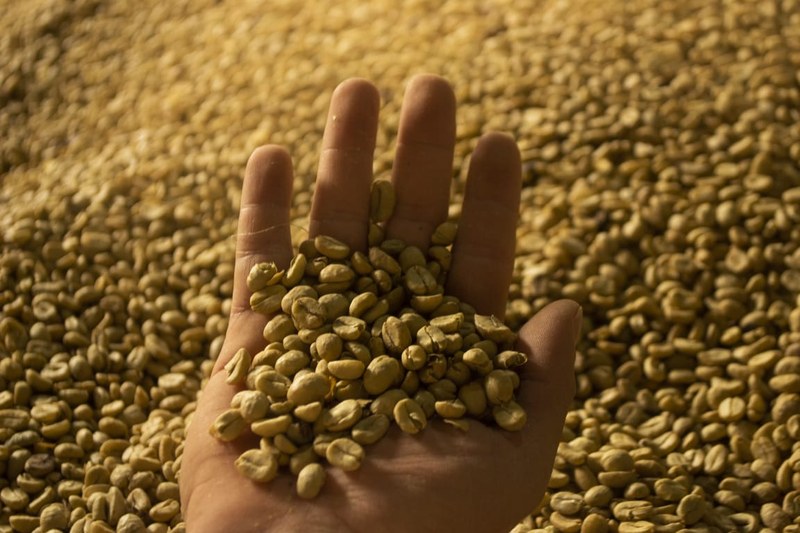
A practical medium roast combination, such as Brazilian and Colombian beans, showcases the harmony of a nutty base with gentle sweetness, where neither bitterness nor acidity overpowers. Brewing with a filter dripper brings out mellow tones akin to caramel and cocoa; switching to an espresso machine for Americano or latte yields enough body for the whole family to enjoy. Medium roast also offers more flexibility—pour over can use medium grind and moderate temperature to gradually release sweetness, while espresso can start with shorter extraction time or slightly lower concentration, observing clarity and aftertaste. If acidity feels a bit high, you can slightly increase extraction; if bitterness is noticeable, shorten extraction time or adjust to coarser grind. The tuning methods are intuitive and easy to grasp.
Dark roast beans, on the other hand, feature flavors mainly of dark chocolate, caramel, roasted nuts, and a hint of smokiness. Their acidity is lower, with a richer and fuller mouthfeel, pairing excellently with espresso machines, moka pots, and ideal for making Americanos. If you prefer distinct coffee flavors with a substantial mouthfeel, or need a daily milk coffee fix, dark roast beans are worth prioritizing.
For example, a dark roast blend emphasizing dark chocolate and roasted nuts delivers a solid sweetness without overpowering acidity. When extracted via espresso machine, it supports the creaminess of milk well, resulting in a layered latte; switch to Americano, and you’ll still taste a clear cocoa aftertaste. When using a moka pot, control heat and extraction time to avoid excessive heating that could mask sweetness with burnt bitterness, keeping the overall flavor smoother.
When choosing dark roast beans, don’t default to high temperature or extra-fine grind just because the color is dark. Excessively high water temperature, too fine a grind, or overly long extraction can amplify bitterness and dryness. It’s recommended to start with slightly lower temperature and a bit faster flow rate as a baseline, then make gradual adjustments based on actual concentration and flavor performance. When adding milk, ensure the coffee itself has sufficient strength, then adjust milk ratio to your preference to find your ideal balance.
Besides roast level, when buying everyday beans, also pay attention to packaging date, storage method, and purchase quantity. It’s advised to buy beans according to actual drinking frequency. Once opened, always seal them and store away from light to prevent prolonged air exposure from causing flavor loss. Each time you brew, jot down your coffee-to-water ratio, water temperature, and brew time. Once you find a stable combination that suits your taste, future brewing will become more intuitive, and you’ll also be better able to judge if the next batch meets your expectations.
In summary, if you love bright fruitiness and crisp mouthfeel, consider light roast within your hundred-yuan budget; for flexible switching between black coffee and milk coffee, medium roast is the more practical everyday choice; and if you crave intensity, low acidity, and a strong coffee presence, dark roast will better satisfy your needs. Remember, there’s no absolutely correct roast level—only the one that truly fits your lifestyle, equipment setup, and taste preferences. Find yours, and let that daily cup of coffee happen naturally and joyfully.
The above content is compiled by CoffeeHunters, a coffee news website.

