







Introduction:For readers who enjoy coffee with flavors of nuts, cocoa, or caramel, choosing the right roast level is key. From light to dark roast, each roasting style affects the acidity-sweetness balance and flavor layers of the coffee. This article will guide you through how different roast levels express nutty and chocolatey notes, and offer practical bean selection and brewing advice to help you find your ideal coffee flavor.
If you want to experience aromas of nuts, cocoa, or caramel in your coffee, roast level is a very practical starting point. Generally speaking,Light Roasttends to preserve more fruit acids and floral notes, while nut and chocolate flavors often hide within the sweetness; moving on toMedium Roast, the profiles of hazelnuts, almonds, and cocoa become clearer and more pronounced; as forDark Roast, it often brings the richness of dark chocolate, the aroma of roasted nuts, and a deeper, more intense flavor experience.
 However, a darker roast doesn’t necessarily mean the coffee will be bitter or astringent. The origin, variety, processing method of the beans, as well as factors like water temperature and brew time, can all greatly influence the final flavor. Even the same dark roast beans, as long asyou grind them a bit coarser and control the extraction time properly, may still yield a sweet caramel-like finish; conversely, if the water temperature is too high or the extraction is excessive, bitterness may overpower the delicate original aromas.
If you prefer a refreshing and less heavy-bodied taste, it’s recommended to start exploring nut and chocolate flavors within the range oflight to medium roast and medium roast. These coffees usually also carry notes of citrus, berries, or a light tea-like quality, entering the palate smoothly without feeling overwhelming, and sweetness tends to emerge more easily as the coffee cools. They are suitable for pour over brewing or making iced coffee, with flavors akin to nut syrup highlighted by a touch of bright fruity acidity.
If you’d like nut and chocolate to be the main theme of your cup,Medium Roastis usually the more intuitive and satisfying everyday choice. This roast level showcases captivating roasty aromas without completely suppressing the inherent sweetness of the coffee. Whether enjoyed as black coffee or with a small amount of milk, it delivers a balanced cocoa and caramel profile, especially suitable for breakfast, office drinking, or pairing with various breads and pastries.
When using the pour over method for medium roast beans, it’s recommended to start withmedium-fine grind size and a gentle water flow, which helps release nutty aromas more smoothly. If the flavor seems a bit thin, you can slightly adjust to a finer grind; if the finish feels dry or astringent, it’s advisable to reduce agitation and shorten the contact time between water and coffee grounds. For most home brewing setups, medium roast offers relatively wide margin for error, making adjustments more intuitive and easier to understand.
If you want to further explore the richer texture of dark chocolate, you might considermedium-dark to dark roastcoffee beans. For example, some beans from Indonesia often carry layers of woody, herbal, and dark cocoa notes, along with a fuller mouthfeel, with little acidity—ideal for those who enjoy calm and restrained flavors. Brewing with a moka pot or diluting into a hot Americano allows you to enjoy its robust and substantial body.
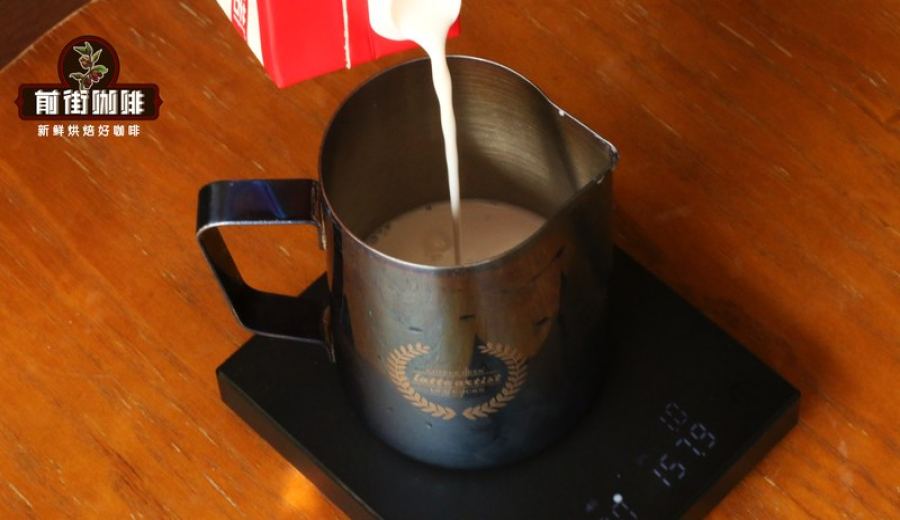
Dark roast beans are especially suitable for making milk coffee. Even when a large amount of milk is added, the original flavors of the coffee can still cut through the foam, showcasing a clear chocolate and nut profile. When selecting, look for descriptive terms like “chocolate, nuts, caramel, and roasty aromas,” rather than judging solely by the darkness of the color. As long as the espresso concentration is moderate and the milk temperature and texture are well controlled, you can achieve a smooth and rounded cocoa-milk-like flavor, with sweetness more easily noticeable.
If you frequently use a moka pot, it’s recommended to prioritizemedium-dark to dark roastbeans, and maintaina gentle and stableflame. When filling the basket, avoid packing the coffee too tightly, and stop heating once the extraction liquid starts to lighten in color. This brewing approach preserves the coffee’s rich characteristics while allowing easy customization later—whether adding water, ice, or milk according to personal preference. If the taste feels too strong, you can moderately increase the amount of hot water; if the aroma is lacking, double-check the beans’ freshness and the evenness of the grind.
In summary, if you want to choose coffee beans based on flavor, try to define your desired taste experience: for a touch of refreshment with nutty and chocolatey notes, light to medium roast is an ideal choice; if you seek a balance of sweetness, body, and compatibility with various brewing methods, medium roast offers the most flexibility; and if you’re after the depth of dark chocolate, the richness of nuts, and low acidity, then medium-dark to dark roast will better suit your palate. Start with a coffee you already enjoy regularly, and gradually explore your own flavor direction.
The above content is compiled by CoffeeHunters, a coffee news website.

