








Introduction:When brewing coffee with a Bialetti moka pot, a faint oily sheen often appears on the surface. Although it may not produce as stable a crema as an espresso machine, you can still achieve a richer and fuller-bodied taste by adjusting the roast level and extraction parameters. This article delves into the performance differences of light, medium, medium-dark, and dark roasted beans in a moka pot—from oil sheen, aroma, to body thickness—helping you choose the right beans based on your preference, and master key factors such as heat, grind size, and the right time to remove from heat, so you can brew more layered coffee at home.
When brewing coffee with a Bialetti moka pot, you’ll often notice a delicate layer of oil sheen on the liquid’s surface, and the resulting cup offers a rich intensity similar to espresso. However, unlike professional espresso machines, it cannot produce a stable and creamy crema. If you want this oily texture to be more pronounced, rather than simply turning up the heat, choosing coffee beans with the appropriate roast level is actually more crucial. The degree of roasting directly affects the oil content, expansion behavior, extraction efficiency, and the overall flavor profile in the final cup.

Lightly roasted coffee beans usually retain more of the origin’s original characteristics, often showcasing bright notes such as citrus, floral, or even berry tones, along with a relatively high bean density. When these beans are used in a moka pot, although the oil sheen may not be particularly prominent, they often exhibit a bright acidity and a light, refreshing mouthfeel. If you prefer black coffee with distinct fruity aromas and vibrant flavors, light roasts are a good choice—but don’t expect overly rich “oiliness.”
When extracting light roast beans, it is recommended to use water close to hot water temperature to reduce the chance of the coffee grounds being exposed to high heat for too long. Grind the coffee to a medium-fine level, somewhere between espresso and pour over, and fill the basket by gently leveling the grounds without pressing them down firmly. Keep the heat at a low to medium level, and remove from heat as soon as the coffee liquid becomes lighter in color, which helps preserve more fruity and floral aromatic compounds.
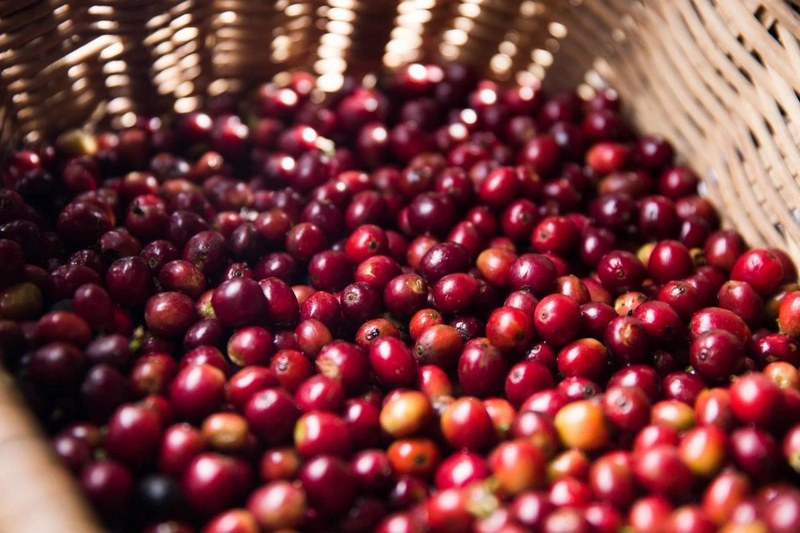
Medium roasted coffee beans are better at showcasing the balanced characteristics of a moka pot. These beans possess a moderate amount of oils and soluble flavor compounds, along with sweet notes reminiscent of caramel, nuts, or cocoa. The resulting coffee has a body that’s just right—not too light, not too heavy—and is suitable for drinking straight, diluting with water, or adding milk. For those who want to brew coffee at home with visible oil sheen, smooth mouthfeel, and versatile use, medium roast is definitely a top option to consider.
Take, for example, a medium-roasted bean from Brazil’s Queen Estate. This bean tends to release sweet flavors resembling roasted nuts, cocoa paste, and syrup in a moka pot, with a gentle acidity that remains smooth even when cooled. When sipped in small cups, it offers a rounded mouthfeel; adding hot water highlights the aromatic layers, and pairing it with milk brings out a nutty-chocolatey warmth—making it highly suitable for breakfast or afternoon enjoyment.
To bring out a more noticeable oily texture from medium-roasted beans, the focus isn’t on using an extremely fine grind, but rather on maintaining stability in the coffee bed’s thickness, dosage, and heating conditions. It is recommended to fill the basket to an appropriate level according to the pot’s specifications, then gently level the surface without compacting it; fill the water up to just below the safety valve, secure the top chamber tightly, and heat over low flame. As soon as the sound of the coffee flowing changes from smooth to intermittent, you should extinguish the heat immediately, and you may also cool the bottom of the pot with cold water to avoid over-extraction.
Medium-dark roasted coffee beans typically display more pronounced oil sheen—the brewed coffee has a darker color and a richer, fuller body. These beans often carry notes of dark chocolate, deeply roasted nuts, caramel, and woody tones, which are quickly released under the pressurized environment of a moka pot. If you prefer coffee with a heavier mouthfeel and layered complexity, medium-dark roast is an excellent choice. Whether enjoyed straight, with milk, or used for iced coffee, it delivers stable and well-supported flavors.
Although dark roasted beans tend to produce a very obvious oil sheen, shiny beans don’t necessarily guarantee great flavor. As the roast level deepens, coffee is more prone to smoky, burnt, bitter, or astringent sensations on the tongue when exposed to high temperatures and prolonged extraction. When using dark roast beans, it is advised to start with water close to boiling point, keep the heat low, and stop heating as soon as the coffee liquid lightens in color. Additionally, you may grind slightly coarser to help preserve a moderate level of sweetness and avoid negative flavors caused by over-extraction.
In summary, to determine whether a moka pot-brewed coffee suits your taste, it’s recommended to evaluate comprehensively based on the oil sheen, aroma profile, mouthfeel upon drinking, and aftertaste once swallowed. Light roasts showcase lively and varied fruity notes, medium roasts balance sweetness and oiliness, while medium-dark or dark roasts enhance richness and body. No matter which roast style you choose, always adjust the heat level, grind size, and the timing of removing from heat accordingly—only then can you brew a truly enjoyable, multi-layered cup of Bialetti moka pot coffee.
The above content is compiled by CoffeeHunters, a coffee news website.

