







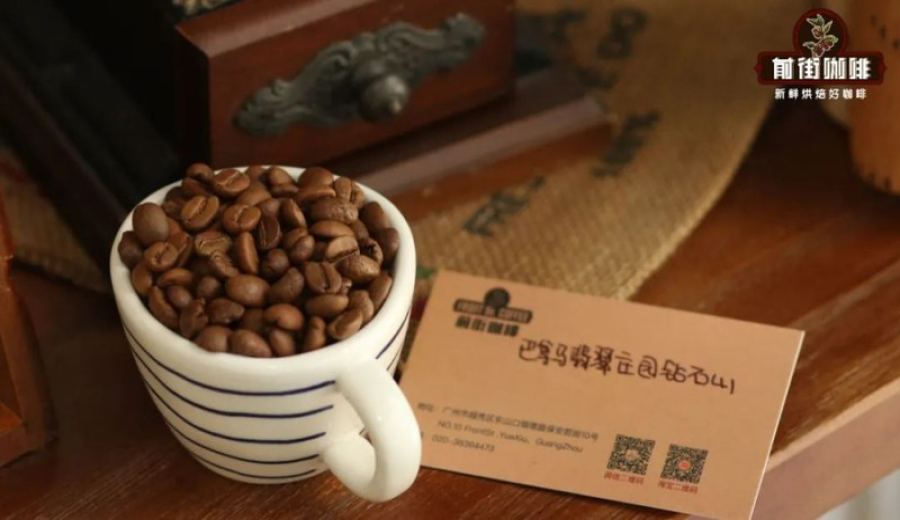
Introduction:When brewing coffee with a moka pot, choosing the right roast level is key to determining flavor performance. From light to dark roast, each degree of roasting brings distinctly different acidity-sweetness balance, body, and aroma characteristics. This article will explain in detail how to select the most suitable moka pot coffee beans based on your preferred taste, and provide practical brewing tips to help you easily brew your own unique flavor.
The flavor profile of coffee brewed with a moka pot is greatly influenced by the roast level of the beans. Different roast levels directly affect the coffee’s acidity, sweetness, bitterness, and overall taste complexity. For example, light roast beans often exhibit bright fruity and floral notes, medium roast beans offer more balanced flavors, while dark roast beans tend to have rich cocoa, nutty, and caramel aromas. If you prefer a strong, intense black coffee or plan to add milk to make a latte-style drink, it’s worth starting your exploration from the medium-dark to dark roast range.
Light roasted coffee beans, due to their shorter roasting time, retain more of the origin’s native flavors. Common flavor characteristics include citrus, berries, subtle floral notes, and even a tea-like aftertaste. When these beans are used in a moka pot, although the aroma may not be as vibrant as with pour over extraction, the acidity becomes more focused, and the taste is fresh and lively. It’s recommended to avoid grinding too finely, and to extract at a medium-low heat. Stop heating as soon as the coffee liquid lightens in color to preserve more fruity tones and sweetness.
If you’re seeking a coffee with balanced acidity and sweetness and a pleasant aroma, medium roast is a great choice. Beans at this roast level typically present notes of nuts, caramel, ripe fruit, and even chocolate, with a more complete flavor profile and moderate intensity that’s not overly harsh. Whether consumed straight or with a small amount of milk, they can showcase the inherent characteristics of the coffee. Suitable for breakfast, an afternoon pick-me-up, or as the base for an iced mocha.
Medium-dark roast beans enhance body and roasty aromas, with flavors leaning toward richness and depth. Since the moka pot itself produces a highly concentrated brew, pairing it with medium-dark roast beans can further boost the richness and bitterness in the cup. If you want a rounder taste, it’s recommended to use a slightly coarser grind, reduce the heat, and stop extraction promptly at the end to avoid a dry or astringent sensation.
The standout feature of dark roast beans lies in their intense flavor expression, often characterized by dark chocolate, deep-roasted nuts, caramel, and a hint of smokiness—making them a favorite among many coffee enthusiasts. These beans are excellent for making moka pot milk coffees, as milk softens their bold character while enhancing sweetness and smoothness. If you prefer an espresso-style coffee, you can also dilute with a small amount of hot water to prepare a bold-flavored Americano.

Take, for example, a certain well-known brand’s “Dark Cocoa Blend.” This bean follows a dark roast profile, featuring rich dark chocolate and roasted nut tones, with noticeable sweetness and restrained acidity. When brewed with a moka pot, it’s recommended to drink it straight or with hot milk to experience a dense, cocoa-like texture. For those wanting to try iced coffee, brew a highly concentrated coffee first, then add ice cubes to help enhance aroma clarity.
Another recommendation for beginners or those who prefer a milder taste is a certain well-known brand’s “Bird of Paradise from Papua New Guinea.” This bean has a clean and simple flavor profile, with soft sweetness and no aggressive notes. Moka pot extraction yields gentle nut and chocolate flavors, making it suitable for drinking straight or with milk—it’s a great entry-level choice for moka pot brewing.
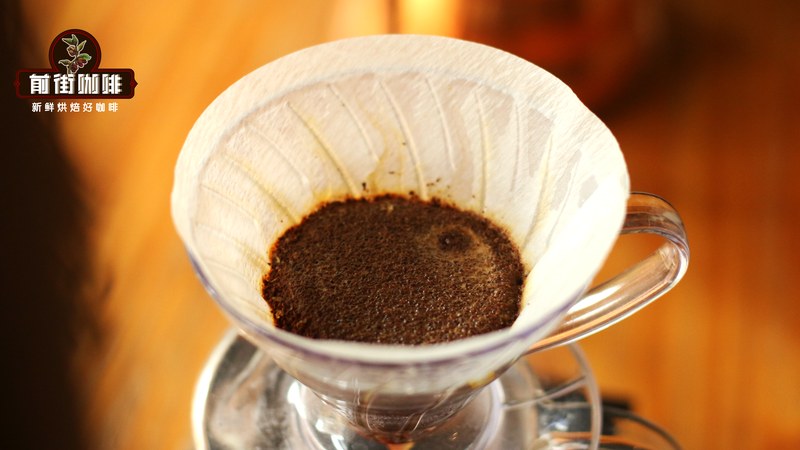
If you prefer a bolder roasted flavor, a certain well-known brand’s “PWN Indonesian Golden Mandheling” is a must-try. This bean features herbal, dark chocolate, and a full-bodied mouthfeel. When using a moka pot, it’s recommended to control the heat and shorten the final outflow time to preserve richness and avoid excessive bitterness. Ideal for hot drinks, it can also be paired with a small amount of milk foam. If used as a base for an Americano, dilute with a small amount of hot water first, then adjust the water volume to taste.
Additionally, the capacity of the moka pot also affects bean performance. Small-capacity pots produce higher-concentration coffee, where light roast beans’ acidic aromas are more focused, and medium-dark roasts can easily taste heavy; larger-capacity pots are suitable for sharing and allow you to adjust overall concentration by adding water. The dose of coffee grounds should remain stable—just spread it out gently without pressing down firmly. Keep the water level below the safety valve during pouring, and observe the extraction through the open lid to help judge the optimal brewing moment.
In actual tasting, temperature also affects flavor perception. Freshly brewed coffee tends to highlight bitterness and aroma, but once slightly cooled, sweetness and origin-specific flavors often become more pronounced. If a light roast bean tastes too sharp, you can slightly adjust by grinding finer or extending extraction time; if a dark roast bean shows scorched bitterness or astringency, it’s advisable to lower the heat or shorten the outflow time. Make only one adjustment at a time for more accurate assessment.
In summary, the key to selecting suitable coffee beans for a moka pot is to clarify your preferred cup flavor: light roast is ideal for those seeking fresh acidity and aroma, medium roast emphasizes balance and complexity, while medium-dark to dark roast is better suited for bold black coffee and milk-based drinks. First consider your usual way of drinking—is it pure, with milk, or diluted with water? Then choose beans with the corresponding roast level, and you’ll be able to brew specialty coffee that perfectly suits your taste using a moka pot.
The above content is compiled by CoffeeHunters, a coffee news website.

