








Introduction:When brewing coffee with a Moka pot, choosing the right beans is key to success. To achieve a cup that’s rich, smooth, and aromatic without overpowering acidity, the roast level is the most important factor to consider. This article will guide you in selecting the ideal coffee beans for your Moka pot based on the characteristics of medium, medium-dark, and dark roasts, along with practical tips on grind size and extraction to help you easily brew delicious black or milk coffee.
If you want your Moka pot coffee to have a rounded body, rich aroma, and minimal noticeable acidity, the first step is to choose beans with the appropriate roast level. Since the Moka pot produces a relatively concentrated brew, the bean’s acidity, bitterness, and body will be more pronounced. For most home users, selecting beans in the medium to medium-dark roast range makes it easier to highlight familiar and pleasing flavor profiles such as cocoa, nuts, and caramel. Whether drinking it black or with just a small amount of milk, the result is a rich and full-bodied cup.
Lightly roasted beans typically retain more fruit acidity and floral notes, making them well-suited for gentle extraction methods like pour over, which can showcase a bright and refreshing profile. However, under the intense and high-temperature extraction of a Moka pot, these traits can easily lead to overly prominent acidity. If you prefer a bright, juice-like flavor, light roasts aren’t entirely out of the question, but it’s recommended to reduce the heat and use a slightly coarser grind. If your goal is a softer, everyday-friendly coffee, it’s best to start by looking for beans labeled as “medium roast” or “medium-dark roast.”
Medium roast is the ideal choice for balancing aroma and body. Well-developed medium-roast beans tend to have more restrained acidity, allowing sweet notes and warm aromas like nuts, cocoa, and caramel to shine through. The resulting coffee from a Moka pot retains clear aromas without being overly smoky, and performs well whether enjoyed straight or diluted with hot water as an Americano. For beginners new to the Moka pot, medium roast beans are often the easiest to manage and most likely to produce satisfying results.
Take Brazil Queen Estate as an example—this common medium-roast bean tends to exhibit sweet aromas reminiscent of peanuts, cocoa, and caramel syrup when brewed in a Moka pot. It has a round mouthfeel, with acidity that doesn’t overpower. When using a three-cup Moka pot for black coffee, you can adjust to taste by adding about 90 to 120 ml of hot water to open up the aromas. If you prefer milk coffee, you can keep the coffee more concentrated and then add warm milk.
If you’re after a richer and fuller-bodied experience, medium-dark roast is a better option. At this stage, the beans usually develop flavors like dark chocolate, roasted nuts, toffee, and even subtle smoky notes, while acidity recedes into the background. The resulting cup feels heavier and more substantial on the palate. Moka pot-brewed Americanos from medium-dark roasts aren’t easily diluted by water, and when paired with milk, the core coffee aromas still shine. When shopping, look for products labeled with notes of cocoa and nuts—these beans often meet the desire for a “low-acidity” profile.
Papua New Guinea Bird of Paradise is a medium-dark roast option with a soft and balanced flavor profile. Its clean aroma and gentle sweetness offer an overall balance akin to the traditional style of Blue Mountain, without strong acidity dominating the palate. When brewed directly from the Moka pot, you can enjoy its full body; if you find it too strong, simply add a little hot water to adjust. This bean is great for breakfast coffee and is also suitable for sharing with family members.
Dark roast beans, due to their longer roasting time, have a darker appearance and more visible surface oils, with acidity typically reduced even further. However, dark roast doesn’t necessarily mean more bitterness—the key factors influencing bitterness also include heat control, grind size, and the timing of extraction. If you notice a burnt taste or a dry, astringent sensation on your tongue, it’s recommended to lower the flame to slow down the flow of coffee, and stop heating just before the liquid color becomes too light, in order to preserve sweetness and body.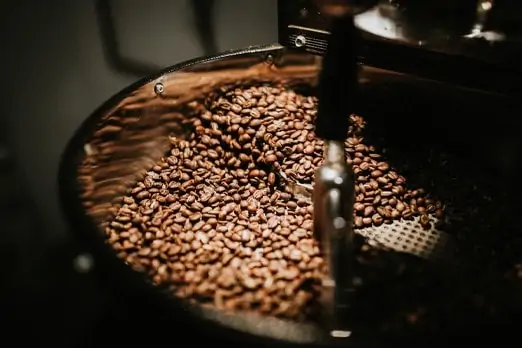
Indonesia Golden Mandheling is a classic choice among dark roast enthusiasts. This bean features herbal undertones, a deep and rich dark chocolate character, and a full body, with acidity never taking center stage. When consumed black, you can add a small amount of water as needed to avoid overly high concentration masking the aroma. When paired with milk, the chocolate notes and body become even more pronounced. For those accustomed to bold black coffee or who enjoy latte-style drinks, this type of dark roast often aligns more closely with everyday preferences.
When selecting coffee beans, it’s advisable not to base your decision solely on the term “dark roast.” Be sure to read the flavor descriptions on the packaging carefully. If the flavor notes are primarily nuts, cocoa, caramel, or dark chocolate, these beans are usually more likely to deliver a rounded and balanced taste in a Moka pot. On the other hand, if the packaging highlights citrus, berries, floral, or wine-like notes, it indicates a potentially more vibrant acidity, which may not suit those seeking a low-acid profile. Additionally, the roast date is also an important reference—opt for recently roasted beans in sealed packaging to ensure the aromas and flavors are at their best.
Different roast levels also require matching the appropriate grind size. Medium-roast beans can use a medium-fine grind to help enhance the concentration and extraction efficiency of the coffee. For medium-dark and dark roasts, it’s better to go slightly coarser to reduce the bitterness from over-extraction. When distributing the grounds, just spread them evenly without pressing them down too hard. During heating, it’s recommended to use a low flame. Once you notice the coffee liquid changing from dark to lighter in color and the flow sound becoming louder, it’s time to stop heating—this helps preserve the bean’s natural sweetness and ensures each cup is rich, smooth, and enjoyable for daily drinking.
In summary, if you’re aiming for a Moka pot coffee that’s not acidic and not heavy, start with a medium or medium-dark roast, then narrow your selection further based on how you plan to drink it—with milk or diluted. If you prefer a soft and sweet taste, Brazilian or Papua New Guinean-style beans are good choices. If you lean toward a bold and full-bodied black coffee, Indonesian Mandheling and other dark roast options are worth trying. With a grasp of roast levels and basic extraction techniques, the Moka pot can reliably produce a rich, smooth, and everyday-enjoyable cup of coffee.
The above content is compiled by CoffeeHunters, a coffee news website.

