







Introduction:Espresso made with a moka pot, when diluted with water, becomes a richly aromatic Americano. But did you know that choosing coffee beans with the right roast level is the key to determining flavor quality? This article will teach you how to select the best beans for your moka pot americano based on the unique characteristics of light, medium, medium-dark, and dark roasts, and share practical brewing and storage tips.
Coffee brewed with a moka pot, due to high-pressure extraction, has a concentrated flavor and distinct layers. Simply adding water transforms it into a full-bodied Americano. Faced with a wide variety of coffee beans, many people may be overwhelmed by origin or processing methods, but in factroast level is the most important factor for beginners to consider first.From bright light roasts to rich dark roasts, different roast levels bring vastly different flavor profiles. Clarifying your preferred coffee taste first and then selecting beans accordingly makes it easier to find a satisfying choice.
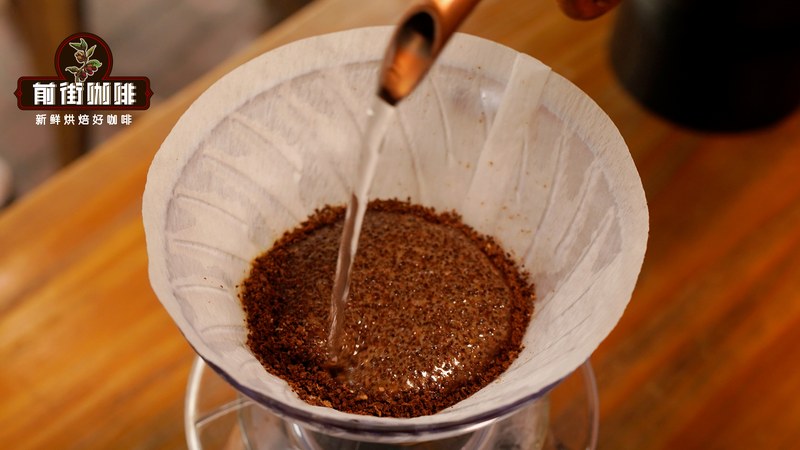
The biggest characteristic of light roast beans is that they retain abundant fruit acidity and floral-fruity aromas. When extracted with a moka pot, these traits are amplified, producing bright flavors reminiscent of citrus, berries, or even tea-like notes. However, be aware that such beans are particularly sensitive to heat intensity and brewing time.It is recommended to avoid excessively high water temperatures, and to stop heating once the coffee liquid begins to lighten in color.Otherwise, it’s very easy to over-extract, causing bitterness to overpower the original freshness.
This type of light roast americano is well-suited to being diluted with ice or cold water, which can enhance its refreshing quality. It also pairs nicely with breakfast items like toast, fruit, or yogurt. If you prefer to drink it straight, you can first stir the espresso in the cup to evenly distribute it, then gradually add water according to your personal taste. Note that pronounced acidity does not necessarily mean an imbalanced flavor—only when it becomes overly sharp or lacks sweetness should you adjust the grind size or shorten the heating time.
Medium roast beans can be considered a friendly option for moka pot users. Their flavor strikes a balance between fruity notes and roasted undertones, often harmonizing common elements like nuts, caramel, cocoa, and gentle fruit acidity. These beans produce a pleasant aroma when made into hot americanos, and even when ice is added, they don’t easily become one-dimensional in acidity. For those new to using a moka pot, medium roast beans offer more distinct flavor feedback, helping you judge strength and extraction status.
Some classic blends feature flavor profiles centered around nuts, cocoa, and caramel, with the coffee liquid having a certain body. Even after dilution, the mouthfeel remains full. When extracted with a moka pot, whether served hot or with a bit of milk added, they showcase a balanced and layered breakfast coffee flavor.
The transition to medium-dark roast beans is even more noticeable. Fruitiness gradually fades, making way for aromas of roasted nuts, toffee, and chocolate, while acidity becomes more restrained, resulting in an overall richer mouthfeel. If you prefer a coffee with a clear flavor and longer aftertaste, this roast range is worth considering. Since the moka pot itself produces relatively high extraction concentration,the water-to-coffee ratio can be flexibly adjusted. It’s recommended to start with slight dilution, then fine-tune according to personal taste.。
For example, some dark cocoa-flavored blends have a strong profile of dark chocolate and roasted nuts, with acidity almost imperceptible—perfect for making bold-style americanos with a moka pot. If you enjoy milk coffee, you can also reduce the amount of dilution and add hot milk to achieve a perfect balance between chocolate and dairy notes.
Dark roast beans are the favorite of those who love caramelized aromas, low acidity, and a heavy body. But when using a moka pot, special care is needed—as over-extraction can easily bring out smoky and burnt-bitter flavors. It’s advisedto start with a slightly coarser grind and lower heat intensity.When you hear the flow from the moka pot become more rapid, immediately turn off the heat to avoid over-extraction. Then, dilute with water according to your preference to adjust the intensity.
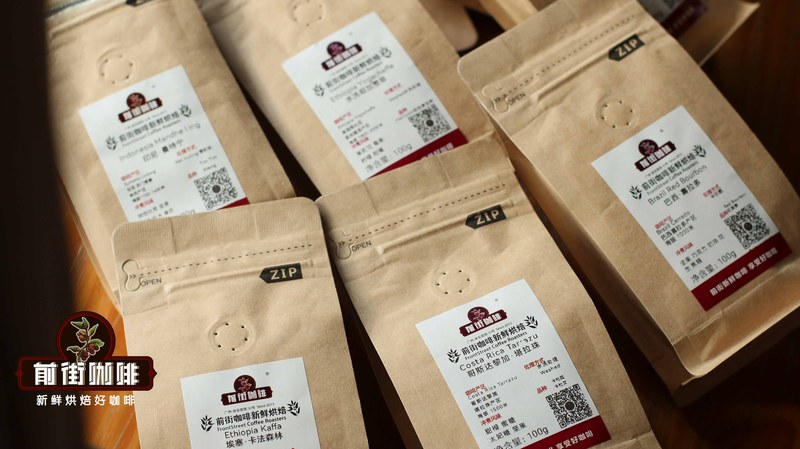
If you want low acidity but aren’t keen on the intense roasty character of dark roasts, you can opt for smoother medium roast single-origin beans. Some beans from specific regions offer a clean and soft mouthfeel, with noticeable sweetness and a gentle overall texture—ideal for savoring slowly. After moka pot extraction, it’s recommended to add little water to such americanos, which remain smooth even when cooled and are generally well-received for daily drinking.
Beyond roast level,bean freshness and storage conditions are also extremely crucial.Be sure to check the roast date when purchasing, and store opened beans in a sealed, light-proof container, consuming them within their optimal flavor window. During actual brewing, you can first fix the moka pot capacity and coffee dosage, adjusting only heat intensity or dilution ratio to observe flavor changes: if the result is rich yet bitter, it may be due to prolonged high-temperature contact; if the taste is too thin, check whether the coffee bed is evenly packed or the grind is too coarse.
In summary, if you’re after bright and refreshing flavors, go for lighter roasts; if you’d like a balance of sweetness, aroma, and body, medium roast is a great choice; and if you prefer chocolatey, nutty, and low-acid profiles, consider medium-dark or dark roast beans. By combining your breakfast habits, preferred drinking temperature, and whether you take milk, and gradually adjusting, you’ll be able to find a moka pot americano that truly suits your taste, starting from the roast level label.
The above content is compiled by CoffeeHunters, a coffee news website.

