








Introduction:To choose the right espresso blend, the first step is to consider the roast level. Different roast stages impart distinct flavor profiles and suitability for various brewing scenarios—from bright acidity and rich fruit notes to deep chocolate and nutty tones—all closely tied to roast depth. This article will help readers understand the differences between light, medium, medium-dark, and dark roasted blends based on personal taste preferences and brewing needs, and provide practical advice to find your ideal coffee experience.
When making espresso, the roast level of the blend is one of the key factors influencing the flavor, body, and overall performance of the shot. Light roasts preserve more of the bean’s natural acidity and fruity notes, making them suitable for those who prefer a refreshing cup. Medium roasts strike a balance between acidity and sweetness with a rounded body, fitting for a variety of brewing methods. Medium-dark and dark roasts enhance warm caramel, cocoa, and nutty aromas, commonly used in milk-based coffees and espresso recipes. For those just beginning to explore espresso, starting with roast level as a guide can help quickly identify beans that match your taste.
Light Roast BlendsTypically exhibit a more vibrant acidity, often featuring citrus, berries, or subtle tea-like notes, appealing to consumers who enjoy a crisp and refreshing taste. These beans produce a well-layered shot when brewed as a short extraction espresso, and when served over ice or mixed with sparkling water, their bright characteristics become even more pronounced. However, due to their dense bean structure, they demand precise control over grind size, water temperature, and extraction time. They are best suited for home users with stable equipment and confidence in parameter adjustment. If you prefer an easier brewing experience, starting with a medium roast is recommended.
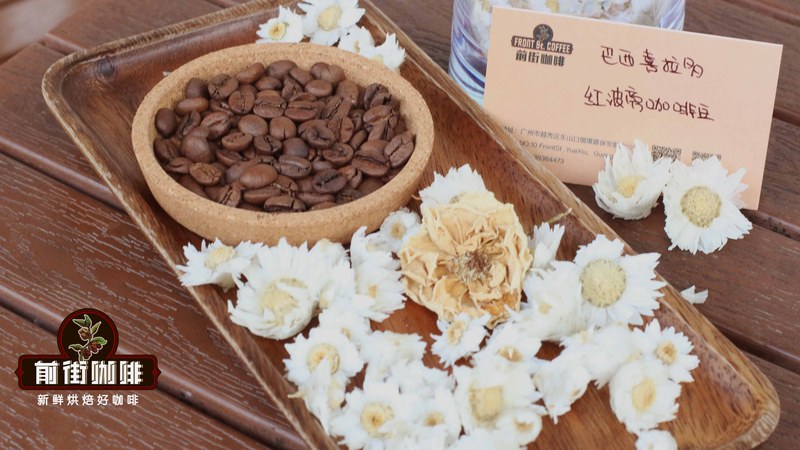
Medium Roast Blendsfeature a relatively rounded flavor profile with noticeable sweetness and balanced acidity. The resulting espresso usually delivers good aroma and a smooth mouthfeel. These beans are not only great for drinking black but also pair nicely with a small amount of milk—whether in a latte or flat white, they maintain a balanced performance. When selecting, look for flavor descriptors such as “caramel, nuts, cocoa, dried fruit,” which often indicate a well-balanced combination suitable for everyday drinking.
Moving intoMedium-Dark Roast, the beans undergo more thorough thermal breakdown and Maillard reactions, resulting in a fuller body with gradually increasing bitterness and roasty aromas. These blends can handle higher milk ratios, making them ideal for daily latte or cappuccino drinkers. If you enjoy adding syrups or other flavorings to your coffee, medium-dark roasts offer a more forgiving option. During brewing, avoid intentionally prolonging the flow rate to prevent dry or astringent notes in the finish, which could affect the overall sweetness.
Dark Roast Blendsare characterized by intense dark chocolate, deep nuts, caramel, and mild smokiness, typically with low acidity and a heavy, full-bodied mouthfeel. Even as an Americano, they retain a clear coffee base flavor. These beans suit those seeking a bold and rich taste, and are widely used in moka pot brewing and various milk coffee preparations. Note that dark roast does not equate to bitterness—the actual flavor still depends on bean quality, resting period, and brewing technique.
If you prefer a nutty and cocoa foundation but wish to retain some sweetness, consider blends with roasted nut and cocoa aromas, and a caramel-sweet finish. These blends perform consistently in espresso machines, delivering stable espresso or Americano flavors—even with milk added, the coffee base remains distinct. Moka pot brewing also highlights their rich body.
For everyday milk coffee needs, a blend balancing nut, cocoa, and caramel flavors meets most palates. These beans generally offer a moderate body and richness, blending smoothly with milk to create a balanced and easy-drinking cup. When making lattes in the morning, aim for a moderate extraction volume to balance sweetness and intensity. Even when brewed as an Americano with hot water, the full coffee aroma shines through.
For those who enjoy low-acidity and full-bodied cups, look for blends with herbal, dark chocolate, and a pronounced mouthfeel. When brewing these as espresso, it’s advisable to shorten the end of the extraction to reduce excessive bitterness. Their rich character becomes even more evident when using a moka pot or making hot Americanos, making them ideal companions for breakfast or desserts.
It’s important to note that roast level cannot be judged solely by bean color. Different origins and blend recipes may cause beans of the same roast grade to appear in varying shades, and brands might define “medium roast” or “medium-dark roast” differently. In addition to referring to roast level, always check the package for flavor descriptions, recommended brewing methods, roast date, and storage instructions. For freshly roasted beans, it’s advisable to degas adequately before fine-tuning espresso machine parameters, which helps achieve a stable and satisfying shot.
In summary, if you prioritize bright acidity, aromatic notes, and fruitiness, consider light or slightly lighter-medium roasts. For a balance of sweetness, versatility, and overall harmony, medium roast is the ideal choice. Those seeking a full-bodied cup, excellent milk compatibility, and lower acidity should focus on medium-dark and dark roasts. During tasting, try keeping the coffee-to-water ratio and cup size consistent, adjusting grind size first, and take notes on how different roast levels affect flavor. This will make future selections much easier.
The above content is compiled by CoffeeHunters, a coffee news website.

