







Introduction:Do you love the floral and fruity aromas in coffee but aren’t sure how to choose from among the many roast levels? In fact, coffee beans at different roast stages bring out distinctly varied expressions of fruit and floral notes—from bright and refreshing to rich and sweet, each with its own charm. This article will guide you through the characteristics of light, medium, and medium-dark roasts, and how to use brewing methods to bring out the most ideal fruity-floral profiles, helping you find the coffee beans that best suit your taste.
Many people assume that to enjoy the floral and fruity notes in coffee, they must choose the lightest roasted beans. However, the roast level has a significant impact on the expression of aroma, the layers of sweetness, and even the overall intensity of flavor. Light roasts usually highlight more pronounced floral, citrus, and tropical fruit flavors. Medium roasts blend fruitiness with honey, tea-like notes, or caramel sweetness, while slightly darker roasts can preserve fruity elements while offering a richer, fuller mouthfeel—ideal for those who enjoy more complex layers.
Lightly roasted coffee beans, due to their shorter roasting time, retain more of the origin’s original characteristics. They often have a bright acidity upon entry, and their aromas are particularly vibrant, easily leaping out of the cup. If you enjoy fresh scents like jasmine, orange blossom, berries, or grapes, a light roast is a great starting point. These beans are perfect for brewing via pour over or iced pour over. We recommend tasting them after they’ve cooled slightly, as floral and fruity notes often alternate at different temperatures, creating a more multi-dimensional flavor.
When brewing light roast beans, the key is to provide sufficient extraction while avoiding over-extraction in the aftertaste. It’s recommended to use a medium-fine grind size along with slightly higher water temperature, which helps fully release the aromas. If you prefer a crisper taste, you can also try it iced, which often highlights the flavor variations across different temperatures. If you perceive an overly sharp acidity, it may be that the sweetness hasn’t been fully extracted yet. If the aftertaste feels dry or astringent, consider slightly coarsening the grind, reducing agitation, and allowing the fruit aroma profile to come through more clearly.
Medium roast strikes an excellent balance between fruity-floral notes and sweetness. Compared to light roasts, it doesn’t emphasize bright acidity as much, but instead makes fruit flavors rounder, while tea-like notes, honey sweetness, and ripe fruit tones become more noticeable. If you usually drink Americano, occasionally add milk, or hope the coffee retains aroma without losing body, medium roast is a very friendly choice with wider applicability.
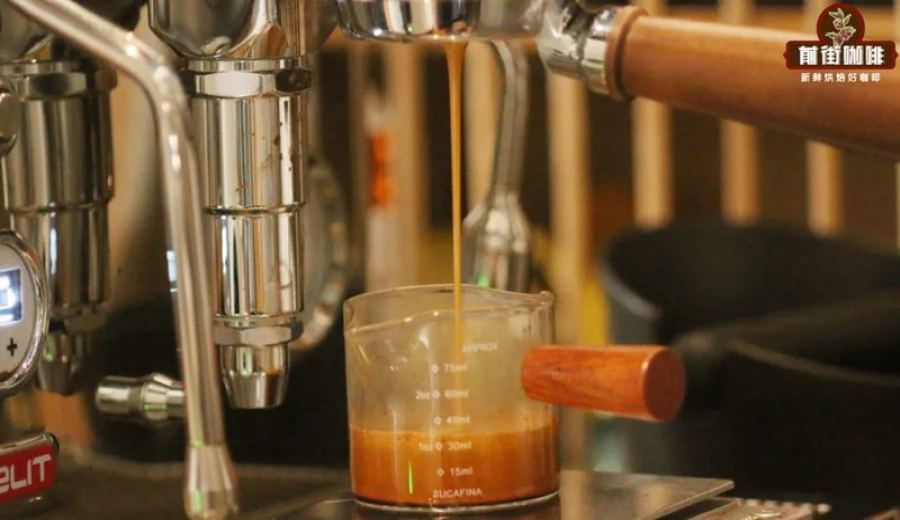
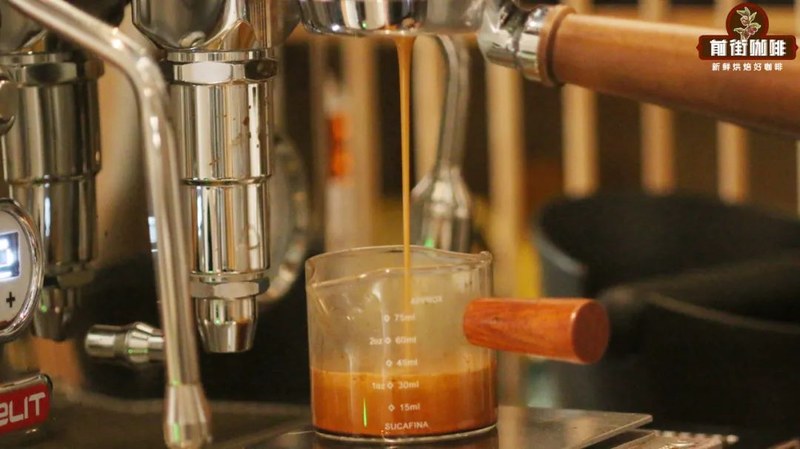
Take medium-roast beans with fruity-floral profiles as an example—you might often taste a sweet note akin to oranges, together with the soft fruitiness of ripe apricots or peaches, accompanied by a lingering aftertaste similar to oolong tea. The overall flavor is light yet layered. For pour over, it’s recommended to use medium water temperature and extract through a pulse pouring method to preserve aromatic layers. When the coffee cools, the fruity sweetness often becomes more apparent, making it ideal for slow sipping. If you commonly use an espresso machine, medium or medium-light roasted fruity beans are also suitable for making single-origin espresso. Short extractions preserve acidity and aroma, while longer extractions can draw out more ripe fruit and caramel notes. When making milk coffee, you may also moderately reduce the milk ratio to let the fruitiness stand out more.
As for medium-dark roasts, it doesn’t mean that fruity-floral notes completely disappear. Instead, the flavor profile transitions from fresh fruits to ripe fruits, fruit compote, or even a rich intensity reminiscent of cocoa or chocolate. If you enjoy the sweetness of berries but also seek a fuller mouthfeel and longer finish, medium-dark roast is a great option to try—especially suitable for espresso or moka pot extraction, which delivers more intense and concentrated flavors. It also complements the smooth texture of milk well, making it highly enjoyable for breakfast or afternoon tea.
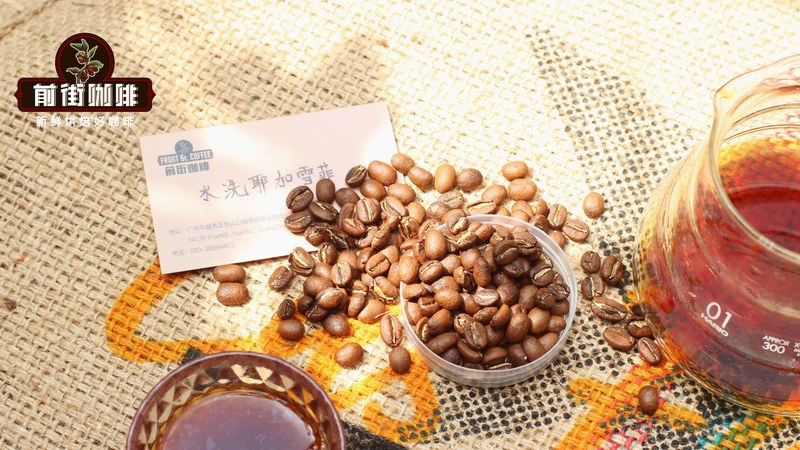
For example, some medium-dark roasted beans may carry aromas of passionfruit, blueberry, grape, and apricot, interwoven into a rich fruit profile. If roasted lighter, they are well-suited for iced pour over, allowing the aromas to feel crisper at lower temperatures. If switched to cold drip, more concentrated flavors can be extracted. When used for single-origin espresso, they may present as a rich, syrupy short drink—greatly loved by those who enjoy bold flavors.
In summary, when selecting fruity-floral coffee beans, you can first look at the roast level indicated on the packaging, then make your choice based on your usual brewing method: if you prefer pour over and love fresh floral and fruity notes, start with a light roast; if you want both black coffee and milk coffee versatility, medium roast is a great starting point; if you’re after a richer compote feel and a fuller finish, consider trying medium-dark roasts. After receiving the beans, we recommend first smelling their dry fragrance, then trying them with your fixed brewing method a few times—you’ll be able to more accurately judge whether the beans meet your expectations for fruity-floral notes.
The above content is compiled by CoffeeHunters, a coffee news website.

