








Introduction:Looking for a light-roast coffee bean that combines floral aroma with great value? This article starts from everyday brewing needs, analyzing how to choose between black coffee or milk coffee beans based on your drinking habits. It also compares two popular flavor beans from Colombia and Ethiopia through actual tasting, offering brewing parameter suggestions and storage tips to help readers find their perfect match.
When discussing light-roast floral coffee beans, the first thing to consider is your daily drinking method. Do you enjoy it frequently every day or only occasionally? How much should you buy at once to avoid waste? Do you mainly brew black coffee at home or prefer milk-based coffee? These questions will influence the direction of your bean selection. If you primarily drink pure black coffee, it's recommended to focus on the layering of aroma and the longevity of aftertaste; if you often pair it with milk, then pay attention to whether the coffee’s inherent richness and creamy texture can still come through clearly after adding milk.
The roast date is crucial for the flavor performance of light-roast floral coffee beans. When purchasing, it's more practical to invest your budget in freshness, stable roasting craftsmanship, and suitable packaging materials than to chase flashy names. Beans that are too fresh may still be in a strong degassing phase, while those stored for too long can easily lose delicate aromas. It's recommended to buy an amount that you can consume within your regular drinking cycle to ensure each cup delivers the best flavor.

Take the Colombian Sidamo as an example. This bean from the Frontera Estate is medium-light roasted, with a clear flavor profile showcasing jasmine, citrus, passion fruit, blueberry, and grape aroma layers. After actual brewing, it has a gentle fruity acidity on the palate, with the aftertaste gradually transforming into a cocoa-like smooth sweetness. Whether brewed via pour over, espresso, cold brew, or ice drip, it can fully express its characteristics. This bean is suitable for building a foundational understanding of light-roast floral flavors.
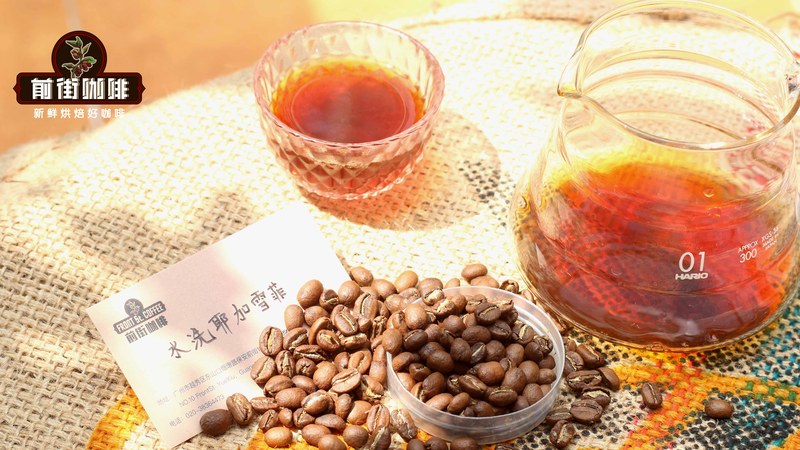
Another worthwhile example for comparison is the Ethiopian Huila, produced in the Guji region, also using a light roast. Its flavor is dominated by sweet aromas of strawberry, passion fruit, jackfruit, and lychee. During actual tasting, you can perceive concentrated fruitiness and distinct sweetness, with less noticeable bitterness. Suitable for pour over, cold brew, and ice drip methods, it's recommended to start with a familiar set of parameters and then gradually fine-tune to find your personal favorite expression.
Tasting these two beans side by side isn’t about judging which is better, but rather understanding each one’s flavor focus through practical cupping. The jasmine, citrus, passion fruit, blueberry, and grape aromas of the Colombian Sidamo provide a refreshing reference baseline; whereas the strawberry, passion fruit, jackfruit, and lychee aromas of the Ethiopian Huila showcase another sweet stylistic direction. By comparing both their aromas, sweetness, and mouthfeel textures, you can more clearly define your preferred flavor characteristics.
In daily brewing, there’s no need to frequently change recipes. Light-roast beans with fruity and floral flavors pair well with clean-tasting water and benefit from consistent pouring rhythm. For pour over, for example, you can start with hot water around 90°C and a 1:15 coffee-to-water ratio. If you find the aroma muted or the acidity too sharp, you can moderately increase extraction efficiency; if the taste feels dry or astringent, it's suggested to adjust to a coarser grind or reduce water volume in the later stages. This basic parameter set works for light-roast floral coffee beans, but still requires fine-tuning based on actual tasting experience.
By comparing hot and iced brewing, you can also gain a deeper understanding of the bean’s flavor potential. Hot drinks usually have more pronounced aromas, while low-temperature brewing can highlight the vibrancy of acidity and the overall refreshment of the mouthfeel. If you add milk, also observe whether cocoa, nutty, or fruity notes can harmonize with the milk flavor.
If you plan to try multiple light-roast floral coffee beans, it's recommended to choose small packages for easier comparison. Based on your daily drinking records, brew different beans around the same dates, using the same equipment and ratios, so you can more objectively evaluate which one best suits your taste—avoiding judgment errors caused by differences in storage time.
When selecting light-roast floral coffee beans, there’s no need to rush into mastering all origin characteristics and complex parameters at once. Purchase only what you can finish on time, which not only maintains the freshness of the aroma but also helps better manage your budget. Start with the Colombian Sidamo or Ethiopian Huila, brew with fixed ratios, and record your tasting experiences each time. The next time you shop, you can make adjustments based on actual cupping experiences rather than mere guesswork.
The above content is compiled by CoffeeHunters, a coffee news website.

