







Introduction:Want to choose coffee beans with natural floral aromas but don’t know where to start? This article will guide you in selecting floral-scented coffee beans that suit your preferences based on your daily brewing method, budget, and consumption frequency. From medium-to-light roasted beans ideal for pour over, to practical extraction tips and storage advice, we’ll help you find an option that balances aroma and value.
When it comes to coffee with floral notes, the first thing to consider is: how do you usually drink coffee? Do you prefer pure black coffee or often enjoy it with milk? Every time you buy beans, also consider how quickly you go through them, how much you purchase at once, and your most commonly used brewing method at home to determine your selection direction. If you prefer black coffee, then the aroma complexity and aftertaste performance are especially important; if you frequently add milk, you need to ensure that the coffee’s intensity and richness can still come through clearly amidst the milk, which will directly influence your bean selection strategy.
The term “with floral aroma” does not mean that flower tea, spices, or syrups have been added to the coffee. These flavors mainly come from the bean variety, origin environment, post-harvest processing methods, and final roast level. When evaluating such coffee beans, rather than chasing elaborate and complex flavor descriptors, it’s better to focus your budget and attention on ensuring the coffee’s freshness, the stability of the roast, and the suitability of the packaging material—this is what truly brings out its everyday drinking value. It’s recommended that when tasting, you first take a moment to smell the aroma, then take small sips to slowly savor, as this makes it easier to catch those delicate floral and fruity notes.
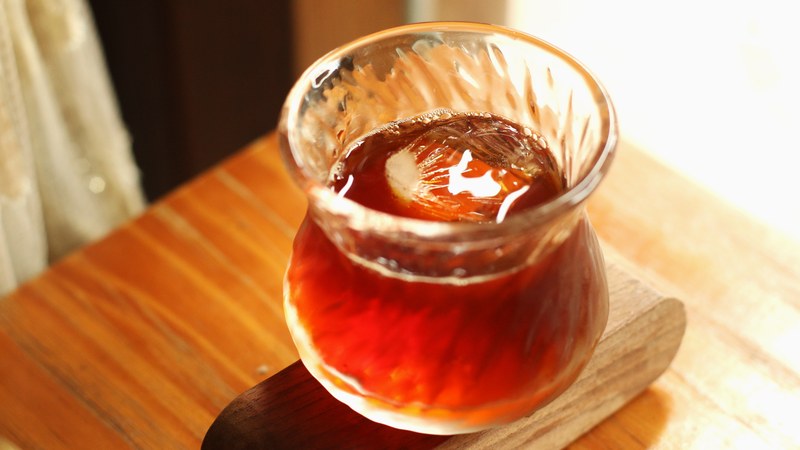
To translate abstract flavor descriptions into actual drinking experiences, you can start by observing some representative beans. For example, a medium-to-light roasted Colombian Gesha from the well-known Finca La Línea often features a flavor profile with jasmine, citrus, passion fruit, blueberry, and even grape-like freshness. Upon tasting, you can feel a gentle fruit acidity, with the aftertaste gradually transitioning into a cocoa-like smooth and sweet finish. This bean is suitable for various brewing methods, including pour over, espresso, cold brew, and ice drip. It’s recommended that you first fix a set of brewing parameters you’re familiar with, then adjust gradually based on your personal taste.
Additionally, Ethiopian Huila Flower Queen is also a commonly referenced bean for comparison. Sourced from Ethiopia’s Guji-Huila region and roasted lightly, it often releases pronounced aromas of strawberry, passion fruit, jackfruit, and lychee. The fruitiness is bright and the sweetness is prominent, with relatively mild bitterness. When using it for pour over, cold brew, or ice drip, it’s suggested that initial parameters not be too intense, allowing the bean’s inherent flavors to present naturally.
Comparing Colombian Gesha and Ethiopian Flower Queen is not about judging which one is superior, but rather understanding their respective floral highlights and flavor profiles. The jasmine, citrus, passion fruit, blueberry, and grape aromas of Gesha tend toward a fresh and elegant character; whereas Flower Queen centers around strawberry, passion fruit, jackfruit, and lychee, presenting another kind of sweet and lively tone. By actually tasting and comparing the two in terms of aroma, sweetness, and mouthfeel texture, you can better understand which type of floral expression you prefer.
In daily brewing, there’s no need to frequently change beans or brewing recipes. For coffee beans with distinct fruit and floral notes, it’s recommended to use brewing water that is clean and free of impurities, while maintaining a stable and even pouring rhythm. If you choose the pour over method, you can start with a water temperature of about 90°C and a coffee-to-water ratio of 1:15. If you find the aroma isn’t expressive enough or the acidity is overly sharp, you can moderately increase the extraction efficiency; conversely, if the taste is too dry, you might consider using a coarser grind or reducing the water volume in the later stages of pouring. However, these are just reference starting points—the most important thing is to fine-tune according to your actual tasting experience.
While flavor descriptions can provide an expected direction, the actual cup performance can still be influenced by many factors such as grinder performance, filter design, water quality, and indoor temperature. If you want to more stably perceive the differences between beans, it’s recommended to use the same brewing equipment and water source during comparisons, so you can effectively observe changes in the beans themselves over time or with different processing methods, leading to more consistent and reliable conclusions.
To fully experience the captivating aroma of floral-scented coffee beans, grinding them fresh is the best approach. It’s recommended to buy whole beans and store them properly sealed, only adjusting the grind size according to your equipment needs right before actual brewing. In contrast, pre-ground coffee has a significantly increased surface area exposed to air, causing aroma loss to accelerate markedly, so the amount purchased and the drinking cycle after opening should be more carefully managed.
In summary, floral-scented coffee beans suitable for daily drinking should allow you to consistently perceive clear and enjoyable flavor variations under stable brewing parameters. Purchase an appropriate amount that you can finish on time—not only does this help maintain the freshness of the aroma, but it also helps you better manage your budget. Whether you ultimately choose Colombian Gesha or Ethiopian Flower Queen, the key lies in whether you prioritize aroma layers, sweetness expression, or overall mouthfeel body—the answer actually lies in the experience of each cup you brew yourself.
The above content is compiled by CoffeeHunters, a coffee news website.

