







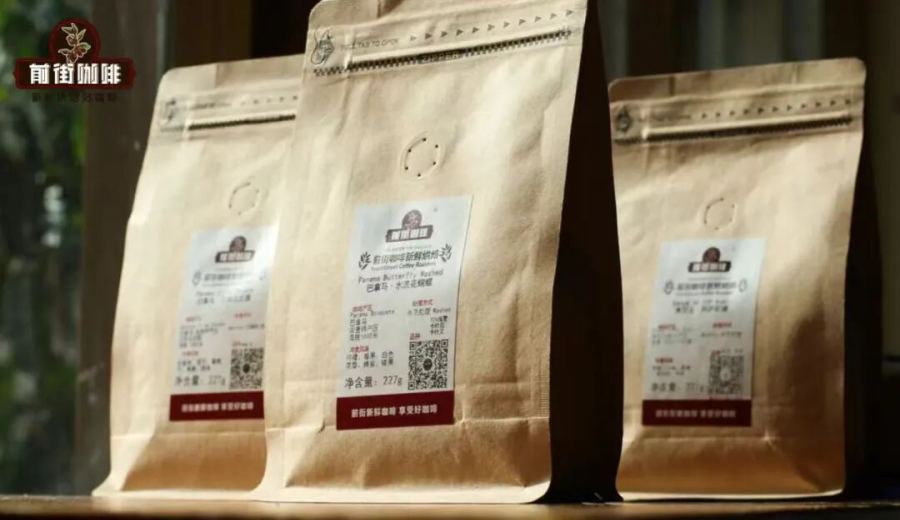
Introduction:When choosing coffee beans, many beginners often struggle with questions like "which brewing method suits which beans," but the key actually lies in your personal taste preferences. This article will guide you step by step to find the coffee beans that best suit you from three major aspects: roast level, processing method, and origin. It will also analyze the unique flavor characteristics brought by different processing methods to help you establish your own coffee selection logic.
Many newcomers to coffee often ask: "What beans are suitable for a moka pot?", "What beans should I use for an espresso machine?" or "Which beans are best for cold brew?" In fact, there is no so-called “exclusive bean” for moka pots, espresso machines, or cold brew devices—all coffee beans can be brewed with these tools. The question of suitability actually refers to whether the final brew matches your taste expectations. Therefore, rather than obsessing over the combination of equipment and beans, it’s better to start with your own preferences and choose the coffee beans that truly suit your palate.

The first step is to clarify your preferred coffee flavor profile. Generally speaking, the acidity, sweetness, bitterness, and richness of coffee are mainly influenced by the roast level. Light to medium-light roasted coffee beans, due to their shorter roasting time, retain more acidic compounds, resulting in a bright, refreshing acidity and distinct layers—ideal for those who enjoy vibrant flavors. On the other hand, medium-dark to dark roasted beans, which undergo longer roasting, have their acidic compounds broken down, making the bitterness and roasted aromas more prominent, delivering a rich and full-bodied taste that appeals to those who prefer bold flavors.
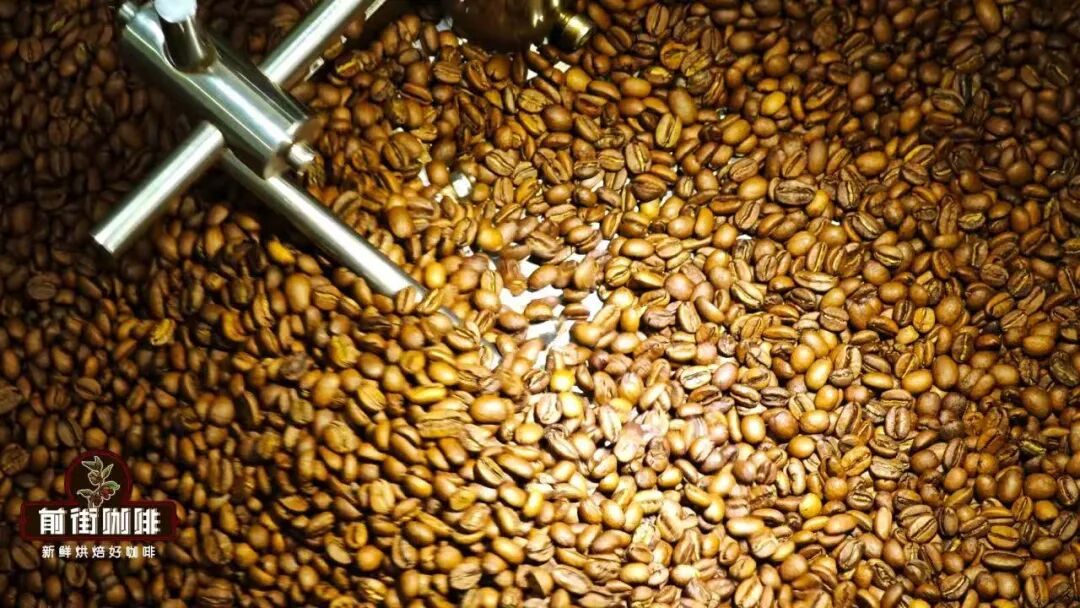
If you’re looking for coffee with fresh flavors like berries, citrus, or floral notes, these are typically found in light or medium-light roasts. If you prefer intense aromas such as chocolate, nuts, caramel, or creaminess, these are usually found in medium-dark to dark roasts. Since many sellers do not directly label roast levels, you can make an educated guess based on the flavor descriptions on the packaging or simply ask the seller directly.

Once you’ve determined your preferred roast level, you can further refine your choice of coffee flavor by considering the origin and processing method. Common processing methods available on the market include washed, natural (sun-dried), honey, and anaerobic fermentation—all of which significantly influence the final flavor profile of the coffee.
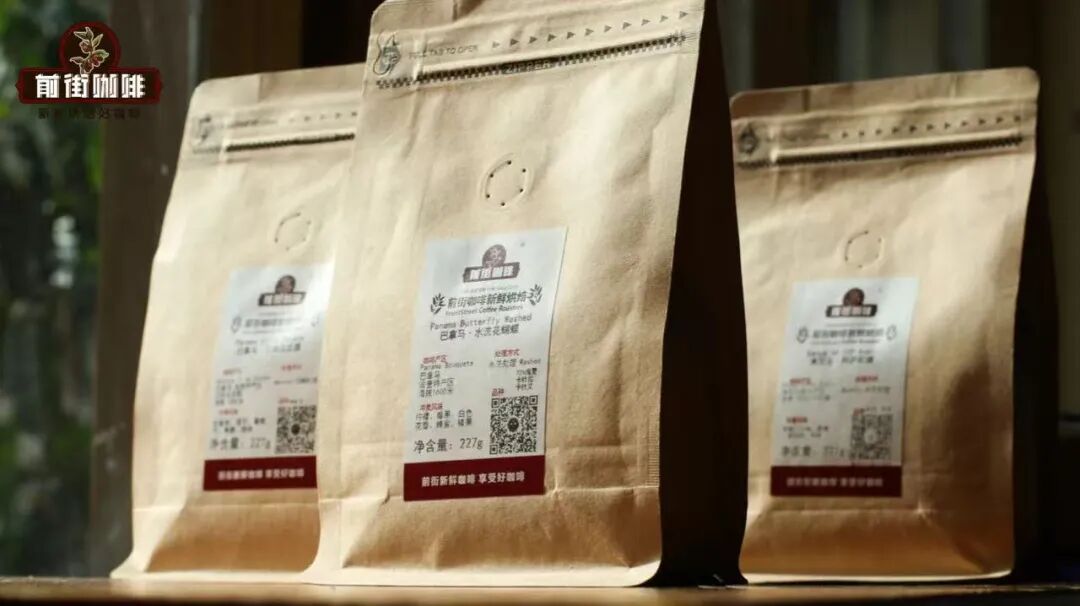
The washed process removes the fruit flesh and mucilage, fermenting only the coffee beans, which limits the involvement of fermentation elements. As a result, it highlights the inherent variety and origin characteristics of the beans, typically offering high clarity and bright acidity—perfect for those seeking a clean and pure flavor. Panamanian Geisha from Boquete or Kenyan AA are classic examples of washed-processed beans.

The natural (sun-dried) process involves drying the whole coffee cherry—including the fruit flesh—resulting in rich fermentation that imparts more complex and layered flavors, often featuring intense fruitiness and syrupy sweetness. Ethiopian Guji Hambela or ALO beans are typical representatives of this method.
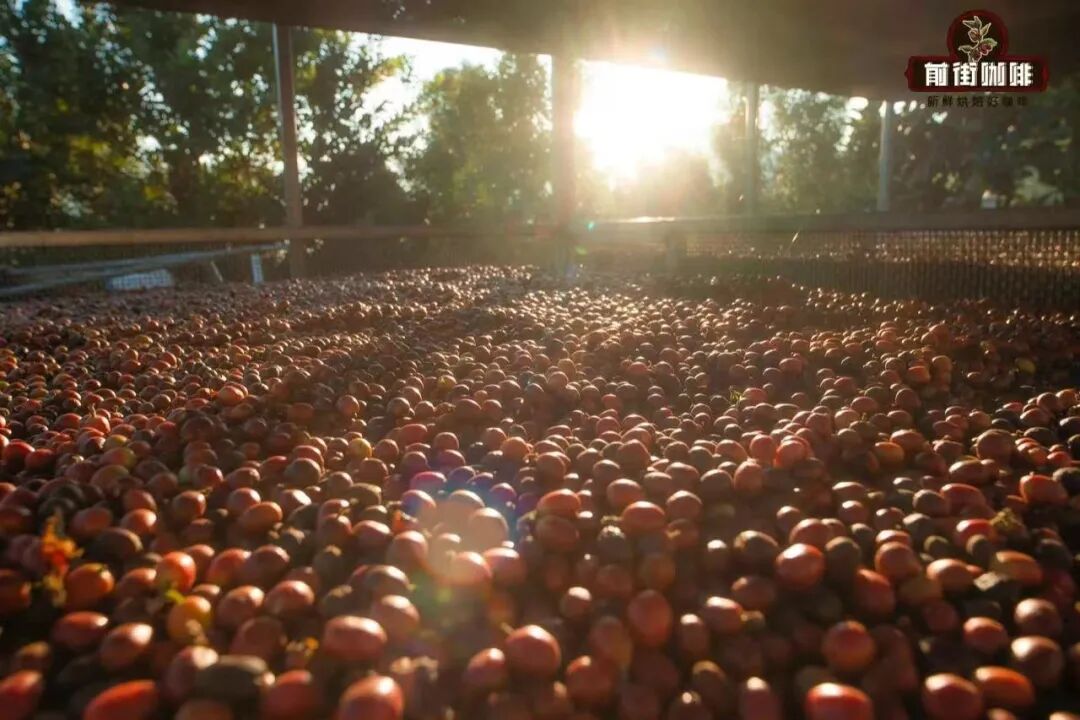
Honey processing falls between washed and natural methods, where only the skin and pulp are removed while some mucilage is retained during drying. Its fermentation time and flavor complexity are also intermediate between the two. This approach delivers higher sweetness while maintaining rich flavors. Colombian Hope Geisha or Costa Rican Geisha are excellent examples of honey-processed beans.

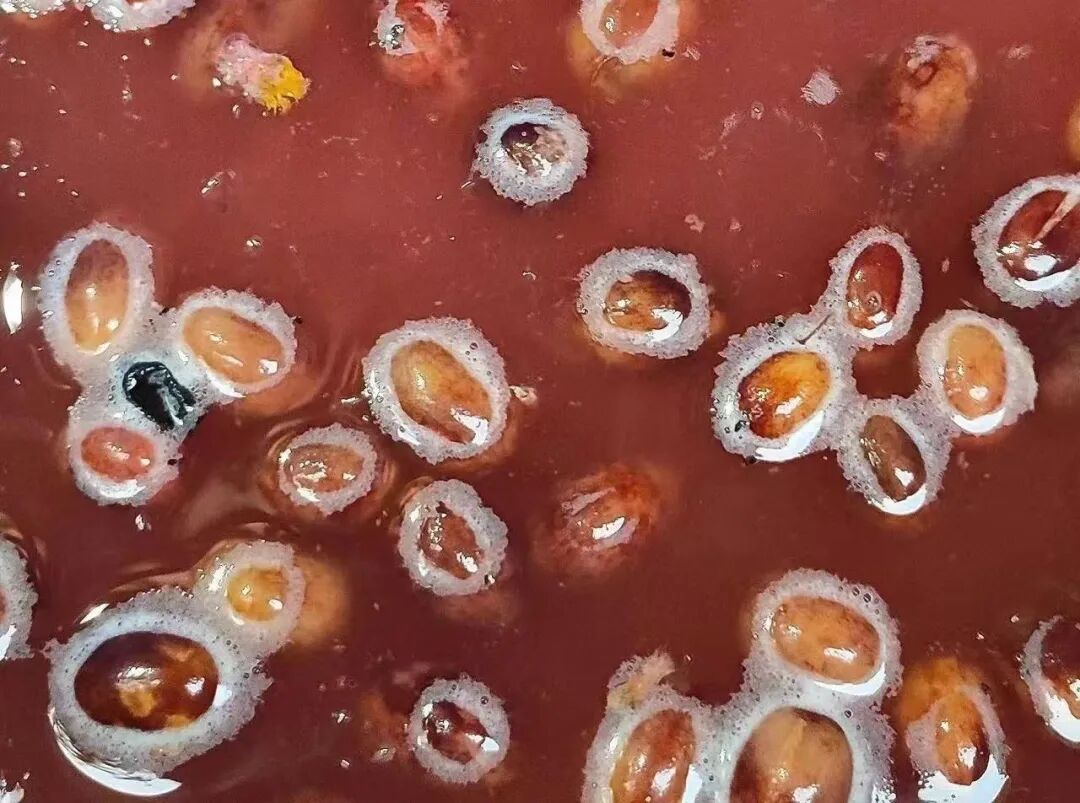
Anaerobic fermentation generally involves a higher degree of fermentation under strictly controlled environments, resulting in highly distinctive and recognizable flavors. These often feature pronounced fermentation notes and unique aromatic profiles, appealing to those who enjoy adventurous and unconventional flavors. Farms like Finca La Fila Gesha or Finca El Burro are known for their anaerobic-processed offerings.
Beyond processing methods, origin also plays a crucial role in shaping coffee flavors. Origins such as Ethiopia, Kenya, Panama, and Colombia often produce beans with vibrant fruitiness and bright acidity. Meanwhile, origins like Brazil, Indonesia, and Jamaica tend to yield beans with richer, nutty, and chocolatey profiles—often better suited to darker roasts. If you prefer balanced sweetness, beans from origins like Costa Rica or Papua New Guinea could be great options.
Finally, if you have specific needs, you can adjust your choices accordingly. For instance, if you want to create a milk coffee with rich crema and where the milk doesn’t overpower the coffee flavor, you might prioritize dark-roasted beans or blends that include Robusta. If you're concerned about caffeine intake, you can opt for decaffeinated coffee—such as Colombian Swiss Water Decaf, which offers a good balance between taste and health.
The above content is compiled by CoffeeHunters, a coffee news website.

