







Introduction:Choosing Brazilian coffee beans that suit your taste and budget is the first step for many coffee enthusiasts. This article takes a practical approach to help readers understand how to select high-value, flavor-stable Brazilian beans based on daily drinking habits (such as pour over, moka pot, or milk coffee) and flavor preferences (like nuts, caramel, or soft sweetness). It also provides brewing suggestions and storage tips to ensure every cup delivers its best performance.
When picking delicious Brazilian coffee beans, you don’t need to get overwhelmed by complicated information. It’s recommended to start with your actual needs—how quickly you drink coffee, how much you buy at once, and whether you usually prefer black coffee or milk-based drinks. Approach from the two main directions of "bright or rich" and "suitable for black coffee or milk coffee," then consider roast date and processing method. This will make it easier to find an option that fits your daily routine.
The so-called flavor descriptions do not mean that fruits, nuts, or syrups are actually added to the coffee. Instead, they refer to the overall sensory experience of a coffee’s aroma, taste, and aftertaste. When discussing tasty Brazilian coffee beans, it’s advisable to think in the context of daily drinking situations, prioritizing the freshness of the beans, consistent roast quality, and suitable packaging over chasing fancy names. These flavor characteristics actually stem from the coffee’s variety, growing environment, processing method, and roast level. It’s recommended to first smell the aroma, then take small sips to better grasp its unique traits.
It’s worth noting that Brazil has numerous producing regions and farms, so "Brazilian coffee beans" do not represent a single flavor profile. Common shared traits include nutty, cocoa, and caramel sweetness, with acidity typically being mild. However, actual performance can still be influenced by variety, processing method, and roast depth. If you’re just starting out, it’s suggested to first clarify whether you mainly use the beans for black coffee or milk coffee, which can help you more quickly pinpoint a suitable flavor direction.
Taking the well-known Brazilian Queen Estate as an example, tasting it alongside other samples will make the flavor differences more apparent. This coffee from the Minas Gerais region, after medium-dark roasting, often presents notes of nuts, cocoa, caramel, and soft sweetness. Its acidity is mild overall, with a smooth mouthfeel. Adding milk will enhance its sweet aroma. Suitable for daily pour over, moka pot, Americano, or milk coffee, it’s recommended to start with a medium strength and adjust according to personal taste.
Another reference-worthy option is the Autumn Chestnut Blend, which is based on a mix of Honduran Catuaí and Papua New Guinea Typica, also medium-dark roasted. Flavor notes of this bean include roasted chestnut, caramel, brown sugar, and soft chocolate tones. It has gentle acidity, a full and smooth body. It works well for moka pot, latte, Americano, or pour over styles that favor low acidity. Strong extraction parameters aren’t needed at the beginning.
Tasting the Brazilian Queen Estate alongside the Autumn Chestnut Blend is not about comparing which is better, but helping you understand the different emphases of each flavor. The former focuses on nuts, cocoa, caramel, and soft sweetness, while the latter excels in roasted chestnut, caramel, brown sugar, and chocolate aromas. By comparing their aromas, sweetness, and texture, you can more clearly identify which type of flavor profile you prefer when it comes to tasty Brazilian coffee beans.

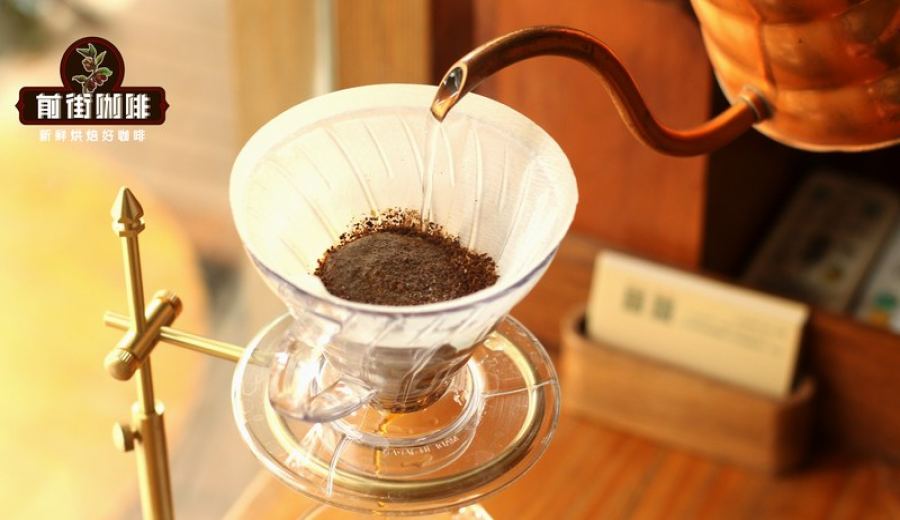
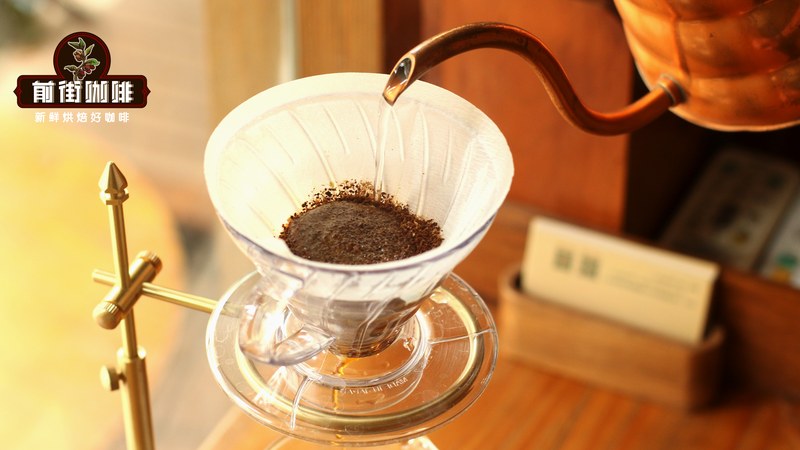
During daily brewing, there’s no need to frequently change recipes. To achieve a balanced taste, it’s recommended to start with a medium-coarse grind, a powder-to-water ratio of about 1:15, and water temperature controlled between 88 to 90°C. Keep the early-stage pouring even, and avoid overextending the later stage. If you feel the sweetness is insufficient, slightly adjust to a finer grind. If the aftertaste is too bitter, try lowering the water temperature or ending the extraction earlier. While this basic parameter set works for most tasty Brazilian coffee beans, it’s still advisable to fine-tune based on actual taste experience without sticking rigidly to fixed timing or values.
Additionally, don’t evaluate the coffee only when it’s hot. As the temperature drops, coffee reveals different layers—for instance, fruit acidity may become clearer, while the sweetness of caramel and nuts may become more pronounced. Recording the aroma, taste, and aftertaste of each cup can provide useful references for adjusting your next brew.
In terms of budget planning, it’s advisable to consider both your grinding needs and the freshness of the beans. Allocate your budget reasonably according to your daily consumption, and choose a package that suits your equipment and can be consumed in time—this is often more practical than bulk buying. The money saved can also go toward improving water quality or upgrading the uniformity of your grinder, further enhancing overall flavor performance.
In summary, building your flavor experience with tasty Brazilian coffee beans places more importance on stability than variety. Buy only what you can finish in time—not only does this maintain the optimal state of aroma, but it also helps better control spending. You might start with the Brazilian Queen Estate or the Autumn Chestnut Blend, get familiar with one style, keep water quality and equipment conditions consistent, and then gradually adjust grind size and water temperature. Every cup of coffee will become more to your liking in the days to come.
The above content is compiled by CoffeeHunters, a coffee news website.

