







Introduction:When selecting honey-processed coffee beans, common concerns include how to balance budget, daily consumption frequency, and ideal flavor. This article takes a practical cupping perspective to analyze the impact of different roast levels on taste, and through representative honey-processed beans such as Indonesia’s Yellow Gold Mandheling and Ethiopia’s Huila Guji, it helps you understand how to adjust parameters according to equipment and brewing methods, find the choice that best suits your taste, and master small tips for storage and enjoyment.
When talking about honey-processed coffee beans, it is recommended to start with the actual drinking experience. When buying beans regularly, in addition to considering how quickly you drink them and the quantity purchased at one time, you should also think about whether your household mainly drinks black coffee or milk-based coffee. The roast level of the coffee beans determines the basic flavor direction, while the origin and processing method impart different layers of aroma, and the brewing equipment used will also significantly affect the intensity and flavor presentation. Therefore, it is advisable to take these factors into comprehensive consideration when making a selection, rather than focusing on just one aspect.
For most everyday drinkers, when choosing honey-processed coffee beans, prioritizing the beans’ freshness, the stability of the roast, and appropriate packaging is often more practical than pursuing complicated or uniquely named processing methods. If you prefer bright acidity and a refreshing taste, light roast or medium-light roast are worth considering; if you prefer a richer, rounder, and more layered taste, medium roast or medium-dark roast may be more to your liking. It is important to note that a deeper roast does not necessarily mean a stronger flavor—brew ratio, grind size, and extraction efficiency also greatly influence the overall strength and performance of a cup of coffee.
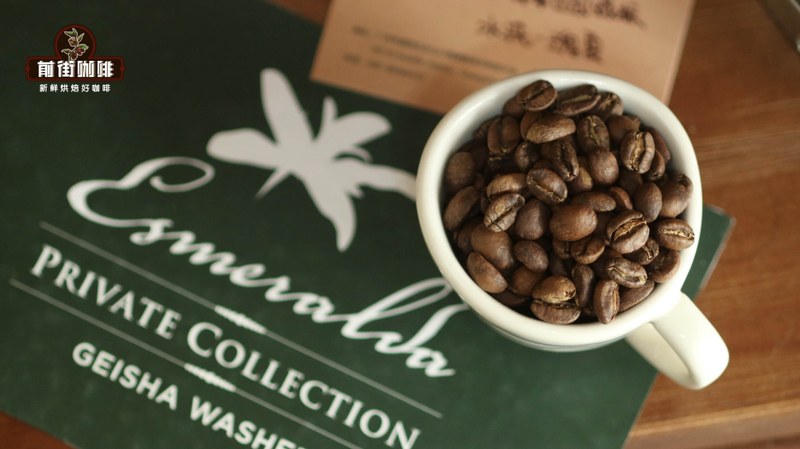
Taking commonly seen honey-processed beans as an example, Indonesia’s PWN Yellow Gold Mandheling is a popular choice for many when trying deep-roasted honey-processed beans. These beans from Sumatra, after being deeply roasted, exhibit rich herbal, dark chocolate, and spicy flavors. With low acidity, a thick and full body, and a long aftertaste, they are suitable for various brewing methods, including pour over, moka pot, espresso machines, and even adding milk to make lattes. It is recommended to brew two or three consecutive cups, adjusting parameters slightly to observe the flavor changes, which can help you better understand the characteristics of this bean.
If you want to further experience the fruity layers of honey-processed beans, you can try the Huila Guji from Ethiopia’s rare coffee-growing region. This light roast bean often features prominent tropical fruit aromas such as strawberry, passionfruit, jackfruit, and lychee, with outstanding sweetness and little bitterness, delivering an overall refreshing profile. It is suitable for extraction via pour over, cold brew, or even ice drip, which can fully showcase its fruity and fresh layers. It is also recommended to brew several consecutive cups to observe its flavor consistency and variation under stable parameters.
Comparing Indonesia’s Yellow Gold Mandheling and Ethiopia’s Huila Guji side by side is not about determining which is better, but helping you clarify your preferred flavor direction. The former focuses on herbal, dark chocolate, and spice notes, suitable for drinkers who enjoy rich and bold flavors; the latter excels in fruitiness and sweetness, catering more to consumers who prefer fresh and bright profiles. By actually cupping and comparing their aromas, sweetness, and texture, you can more quickly identify the flavor elements you most want from honey-processed coffee.
In daily brewing, it is recommended not to frequently change the recipe. Especially when comparing coffee beans with different processing methods, maintaining consistent dosage, water temperature, grind size, and pouring technique will allow you to more accurately perceive the differences between each bean. For honey-processed beans, it is suggested to start with a 1:15 brew ratio for pour over; this ratio allows the fruitiness of sun-dried beans, the clarity of acidity in washed beans, and the gentle sweetness of honey-processed beans to be presented more clearly under the same conditions, aiding in distinguishing their characteristics. However, these parameters are for reference only and should be fine-tuned based on your own brewing habits and the condition of the beans—there’s no need to be overly fixated on the numbers.
Additionally, when tasting after brewing, it is recommended not to focus solely on the moment when the coffee is freshly brewed and at its hottest. As the coffee cools from hot to warm, different flavor layers continue to emerge—for example, fruit acidity may become more pronounced as it cools, while caramel and nutty sweetness often appear when the temperature drops slightly. It is recommended to record the aroma, mouthfeel, and aftertaste at hot, warm, and near-room temperature stages, so you have more basis for adjusting parameters in the future.
In terms of storage, honey-processed coffee beans should avoid high temperatures, humidity, and repeated exposure to air, all of which are major causes of accelerated flavor loss. It is recommended to plan your purchase quantity based on your daily consumption, seal the beans immediately after use, and grind them as close to brewing time as possible. If you are tasting multiple types of beans at the same time, label the opening date of each package and prioritize drinking the one whose aroma changes more quickly, ensuring that each brew delivers the best possible flavor.
In summary, the key to selecting honey-processed coffee beans lies in: whether the flavor meets expectations, whether your equipment can fully express its characteristics, and whether parameter adjustments are trackable. As long as you can finish the purchased beans within a reasonable time frame, not only can you maintain the aroma state, but you can also better control your budget. By practically comparing representative honey-processed beans such as Indonesia’s Yellow Gold Mandheling and Ethiopia’s Huila Guji, and gradually exploring the flavor direction that suits you, you can make your daily coffee experience richer and more satisfying.
The above content is compiled by CoffeeHunters, a coffee news website.

