







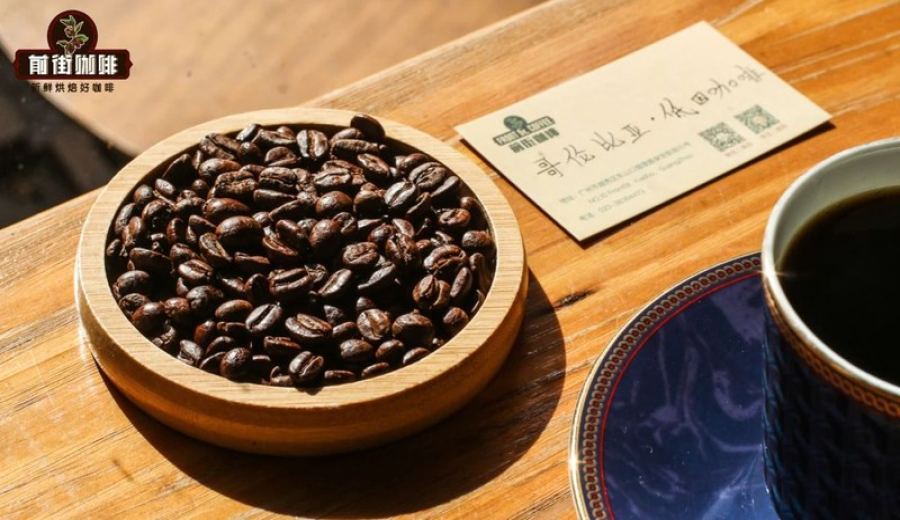
Introduction:Looking to choose a medium-to-light roasted Yirgacheffe coffee bean that suits your drinking habits? This article offers practical guidance on selection and brewing, covering roast level, processing method, brewing style, and storage tips. Whether you prefer black coffee or milk-based drinks, you’ll find options that fit your budget and flavor expectations—along with key extraction parameters and preservation techniques.
When selecting medium-to-light roasted Yirgacheffe beans, don’t get overwhelmed by complex information. Start by considering how quickly you usually drink coffee, how much you buy at once, and whether you primarily enjoy it black or with milk. Focus on your flavor preferences—such as bright acidity or rich body—and intended use (black or milk coffee), then combine that with roast date and processing method to better align with your daily drinking needs.
The roast date has a significant impact on the performance of medium-to-light roasted Yirgacheffe beans. If you’re choosing for everyday drinking, prioritize freshness, roast stability, and packaging over flashy names. Beans that are too fresh may still be in a heavy degassing phase, making them less smooth to drink, while those stored too long can lose aroma. It’s recommended to buy an amount you can finish within your regular drinking cycle to enjoy the best flavor.
To truly understand medium-to-light roasted Yirgacheffe beans, first know that "Yirgacheffe" is a renowned coffee-growing region in Ethiopia, not a single coffee variety. Common processing methods in this region include washed and natural: washed processing typically delivers clearer, brighter acidity and fruity notes, while natural processing often highlights intense ripe fruit flavors and sweetness. To choose based on daily drinking preferences, it’s better to observe the processing method, roast date, and specific batch rather than assuming flavor based solely on the region name.
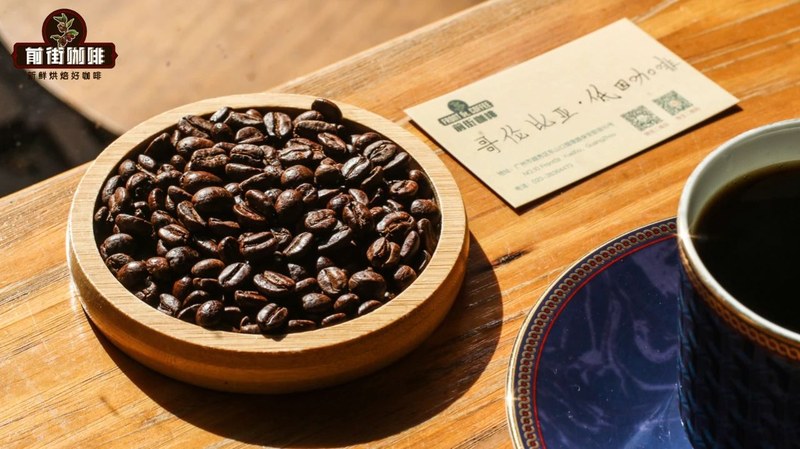
Take Yirgacheffe Guji Dingding as a concrete example—it’s a highly representative medium-to-light roasted Yirgacheffe bean, perfect for beginners to explore. This bean is lightly roasted, with a flavor profile often featuring citrus, berries, white floral notes, and a green tea-like aftertaste. It’s well-suited for pour-over brewing, which clearly highlights its characteristics. For optimal flavor, use clean-tasting water and a medium-coarse grind, and first try it hot before observing changes as it cools. If the acidity feels too sharp, check whether extraction is sufficient before concluding that light roasts aren’t to your taste.
For everyday purchases, start with a small pack. After confirming your drinking frequency and storage capability, decide whether to restock or buy more. This helps better manage aroma quality and budget while avoiding waste.
From the actual performance of this Yirgacheffe Guji Dingding, it showcases clear citrus, berries, white floral notes, and a green tea-like sweetness—making it a great starting point for understanding medium-to-light roasted Yirgacheffe beans. These beans from Ethiopia’s Yirgacheffe region, lightly roasted to deliver a light body, feature bright acidity that becomes more sweet as it cools. Ideal for pour-over, iced pour-over, or anyone who enjoys crisp black coffee, it also pairs well with a fixed recipe to track flavor changes at different temperatures.
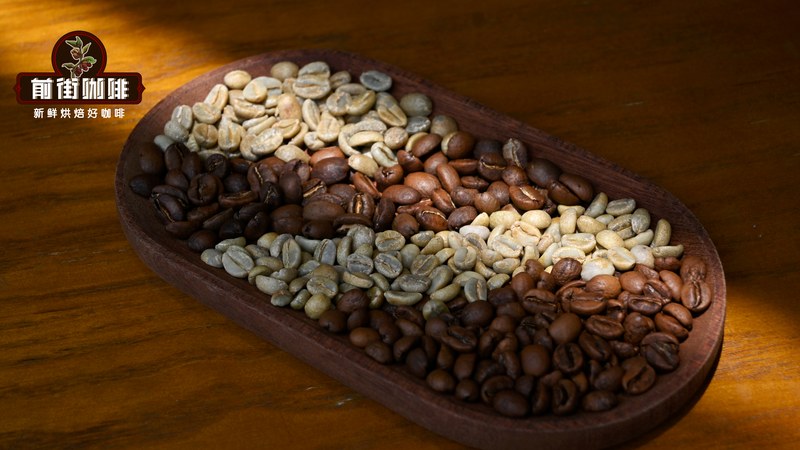
When observing this bean, record its performance when hot, at medium temperature, and near room temperature. Its citrus, berry, white floral, and green tea aftertaste gradually shift with temperature, making this phased observation more valuable than a one-time judgment. For daily brewing, there’s no need to frequently change the recipe—recommend using 15 grams of coffee grounds with 225 grams of water, a medium-coarse grind, and water temperature around 90°C. Allow the coffee grounds to fully bloom before extracting with a steady, segmented pouring method to avoid concentrating the flow in one spot, which helps bring out clearer floral and citrus notes.
While this basic parameter set works for most medium-to-light roasted Yirgacheffe beans, adjustments may be needed based on actual drinking conditions. Prioritize daily observations over rigid adherence to exact timing or ratios. Additionally, flavor expression is influenced by factors like grinder type, filter material, water quality, and ambient temperature. For comparisons, keep equipment and water source consistent to accurately observe the bean’s own variations.
It’s especially important to note that medium-to-light roasted Yirgacheffe beans change with storage time. If degassing is obvious shortly after opening, wait a bit for the gas to dissipate before brewing. If aroma weakens later, slightly fine-tune the grind to maintain stable and balanced extraction, keeping flavor within a comfortable range.
In summary, if you want to build experience tasting medium-to-light roasted Yirgacheffe beans, focus on understanding one bean well—this cultivates flavor memory better than frequently switching. As long as you finish the purchased amount within a reasonable time, you’ll maintain the bean’s aroma quality and better control spending. Yirgacheffe Guji Dingding is a great entry choice; once you’re familiar with its flavor and parameters, trying other batches will make it easier to discern subtle differences.
The above content is compiled by CoffeeHunters, a coffee news website.

