







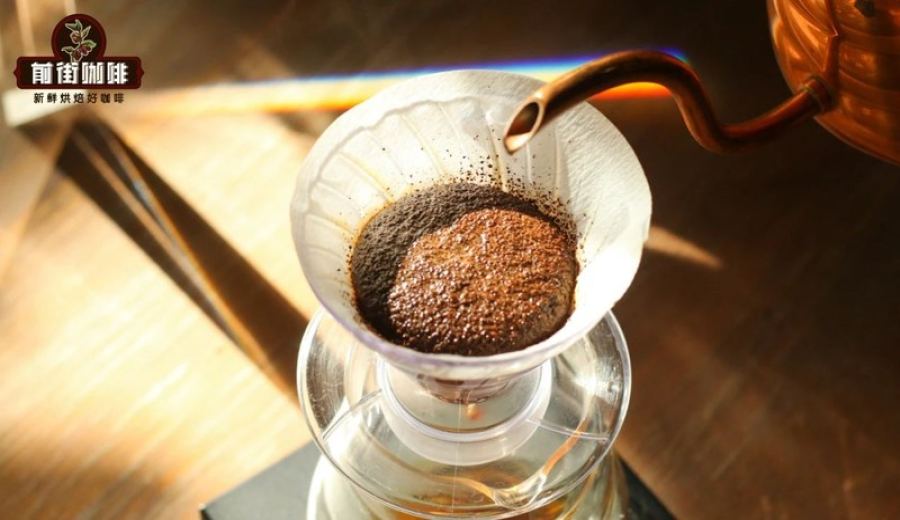
Introduction:When selecting Yirgacheffe coffee beans, in addition to considering the origin and processing method, it's also important to align your choice with your brewing method, budget, and frequency of consumption. This article will guide you from a practical perspective, analyzing how to choose suitable Yirgacheffe beans based on your equipment and taste preferences. It also provides beginner-friendly recommendations and basic extraction parameters to help you get the most value for your money and a better understanding of what you’re drinking.
Your brewing method will influence your direction when purchasing Yirgacheffe beans. If you primarily use a pour over setup, then aroma expression becomes particularly important; when using an espresso machine or moka pot, richness and body take priority. Therefore, when choosing where to buy Yirgacheffe beans, it's recommended that you first clarify your usual brewing method so you can find the bean that best suits your needs.
If you're sharing a pack of beans among multiple people, it’s advisable to prioritize Yirgacheffe flavors with balanced acidity and sweetness that work well with various brewing devices. Rather than solely pursuing unique names or complex processing methods, consider investing your budget in aspects like roast freshness, packaging stability, and flavor consistency—these factors better meet everyday drinking needs. For solo enjoyment, you can challenge yourself with beans that offer more distinct fruitiness or dark roast characteristics to experience a wider range of flavor layers.
First, it's important to understand that Yirgacheffe is not a single coffee variety but a renowned coffee-growing region in Ethiopia. Coffee from this area commonly undergoes either washed or natural (sun-dried) processing: washed processing typically results in a cleaner, brighter acidity and citrus notes, while natural processing often highlights rich, ripe fruit flavors and sweetness. Starting from a daily drinking perspective, it’s recommended to pay close attention to each bean’s processing method, roast date, and specific batch rather than judging its flavor solely based on the "Yirgacheffe" origin name.
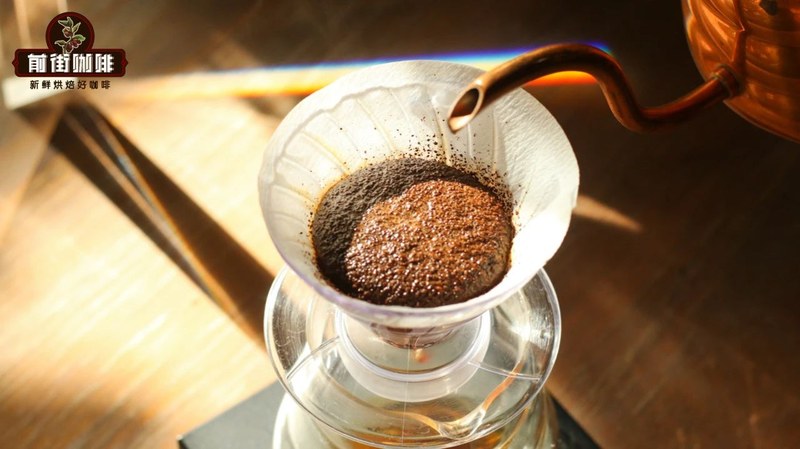
Take the commonly available Yirgacheffe Guji Dingding as an example. This bean is known for its clear citrus, berry, and white floral characteristics, making it very suitable for pour over brewing. To more accurately experience its flavor profile, it’s recommended to use filtered water with good quality and a medium-coarse grind. Start by tasting it hot, then let it cool slightly and observe how its flavors evolve. If you find the acidity a bit sharp, check whether the extraction is sufficient before concluding that light roast flavors aren’t for you.
For beginners trying Yirgacheffe for the first time, it’s suggested to start with a small package. After confirming your drinking frequency and taste acceptance, you can decide whether to restock or switch beans. Relying solely on descriptions makes it hard to fully grasp the flavor, but the citrus, berry, white floral notes, and green-tea-like aftertaste of Yirgacheffe Guji Dingding can serve as a solid reference. This bean has a light body, bright acidity, and becomes sweeter as it cools, making it suitable for pour over, iced pour over, and those who prefer a clean and refreshing black coffee.
It’s recommended that you note how it performs when hot, at medium temperature, and near room temperature. Observing how the flavors unfold across these temperature ranges can help you better understand the potential of this Yirgacheffe coffee. Compared to a one-time overall evaluation, tracking changes in aroma, sweetness, and aftertaste over time offers more practical insights for everyday drinkers.
During actual brewing, there’s no need to frequently change your recipe. For lightly roasted Yirgacheffe beans, it’s suggested to use 15 grams of coffee grounds with 225 grams of water, employing a medium-coarse grind and a water temperature of around 90°C. Allow the coffee grounds to evenly absorb the water first, then pour in stages with a steady hand, avoiding repeated impact on the same spot. This helps bring out clearer floral and citrus notes. This basic parameter set is also applicable when evaluating Yirgacheffe coffee purchasing options, but adjustments should still be made according to actual drinking conditions—there’s no need to obsess over exact numbers.
Additionally, you can try comparing the flavor differences of the same Yirgacheffe bean when brewed hot versus iced. When hot, the aromas are more intense, while lower temperatures tend to highlight sharper acidity and overall freshness. If you add milk, you can observe whether cocoa, nutty, or fruity notes still come through, further understanding the bean’s versatility.
To fully experience the aroma of Yirgacheffe coffee beans, grinding them fresh is the best option. If you often buy whole beans, it’s advisable to store them properly sealed and adjust the grind size according to your brewing device before use. In contrast, pre-ground coffee has a larger surface area exposed to air, leading to quicker flavor loss, so it’s recommended to control the amount purchased and the drinking period after opening.
In summary, it’s advised that when getting to know Yirgacheffe coffee beans, you focus first on truly understanding one particular bean rather than frequently switching between different ones. As long as you can finish the beans within a reasonable timeframe, you’ll not only better grasp their aroma state but also manage costs more effectively. Yirgacheffe Guji Dingding is a great starting point. Once you’re familiar with its basic parameters and flavor profile, you can then compare the subtle differences between different batches to more keenly detect every shift in flavor.
The above content is compiled by CoffeeHunters, a coffee news website.

