







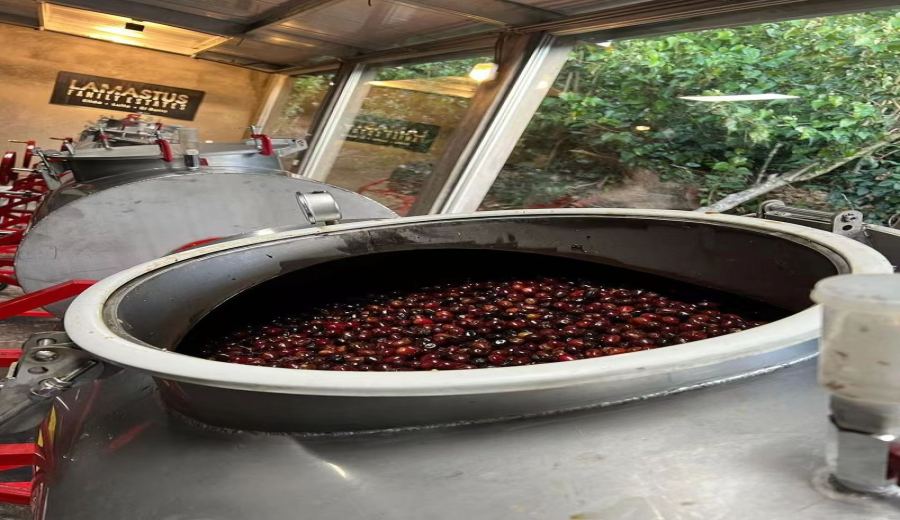
Introduction:Choosing coffee beans with prominent fruit flavors isn’t just about looking at the name or origin—it’s more important to start from the actual flavor profile, your own brewing methods, and drinking habits. This article will guide you on how to select suitable fruity coffee beans based on your budget, brewing equipment, and storage conditions. Taking commonly available medium-to-light roasted beans with clear flavor layers as examples, we’ll explain how to find the one that suits you best by balancing acidity and sweetness, evaluating aroma persistence, and adjusting extraction parameters.
When selecting coffee beans with fruity notes, the key isn’t just memorizing a few origin names—it’s about comprehensively considering factors such as drinking frequency, shelf life, and whether you prefer black coffee or milk-based beverages at home. What truly serves as useful reference points are the acidity-to-sweetness ratio you perceive when tasting, the body of the coffee, and the aftertaste performance as it cools—then aligning those with your personal brewing habits, which will make your selection range much clearer.
If you’re brewing for multiple people, it’s recommended to prioritize beans with balanced acidity and sweetness that are compatible with most brewing devices. Instead of chasing complex variety or processing method names, it’s better to allocate your budget towards ensuring freshness, stable roasting quality, and good packaging preservation—such choices are more in line with everyday practical needs. For individual enjoyment, you can try fruit-forward or dark roast beans with more distinctive flavor personalities, which helps you experience the various layers of flavor changes more comprehensively.
Taking commonly available medium-to-light roasted beans as an example—such as a washed coffee bean from Colombia grown at high altitudes in the Boundary Line Estate. With a moderate roast level, it presents clear jasmine floral notes and citrus tones, accompanied by passion fruit, blueberry, and even subtle grape flavors. In actual tasting, the entrance offers a gentle fruity acidity, while the latter part gradually reveals a mild cocoa-like sweetness. This type of bean is not only suitable for pour over but also pairs well with espresso, cold brew, and even ice drip. It’s recommended to start with moderate parameters when trying it for the first time, observe the sweetness performance, and then decide whether to adjust the concentration or extend the extraction time.
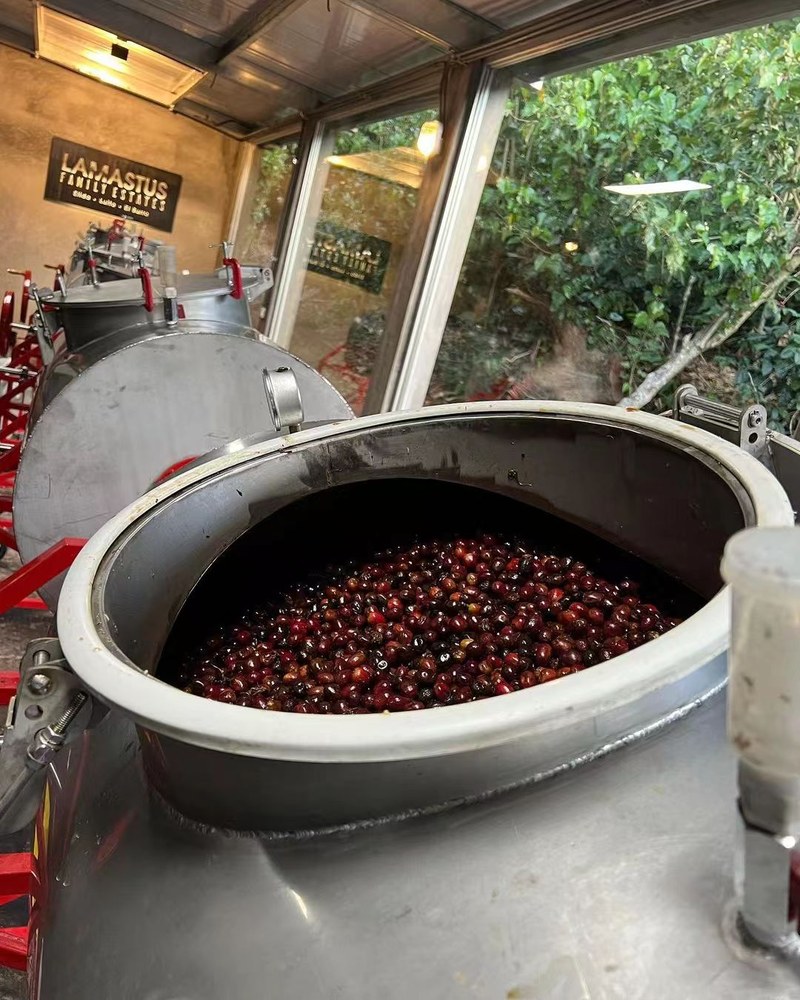
Another frequently discussed bean is produced in a well-known region of Ethiopia, using a light roast process. It has distinct tropical fruit characteristics, such as strawberry and passion fruit, even blending in aromas of jackfruit and lychee. This bean exhibits concentrated fruitiness and clear sweetness when brewed, with less noticeable bitterness, making it especially suitable for brewing methods that emphasize original flavor expression, such as pour over, cold brew, and ice drip. It’s suggested to start your first brew with hot water around 90°C and a coffee-to-water ratio of approximately 1:15, first experiencing the flavor profile in hot form, and then observing how the aroma and aftertaste change as the coffee cools—thereby grasping its overall flavor direction more completely.
Comparing these two beans together is not about judging which is better or worse, but rather to help understand their respective flavor focuses. The Colombian bean’s jasmine, citrus, passion fruit, and blueberry aromas can serve as a flavor benchmark, while the Ethiopian bean’s strawberry, passion fruit, and tropical fruit profile forms another clear style thread. By actually tasting and comparing the aroma layers, sweetness intensity, and texture of both, you can more quickly determine which type of fruit flavor expression you prefer.
In daily brewing, there’s no need to frequently change bean recipes. For fruity coffee beans, it’s recommended to use clean-tasting water and maintain a steady pouring rhythm. Pour over beginners can start with a water temperature of around 90°C and a coffee-to-water ratio of 1:15. If you feel the aroma is closed off or the acidity is too sharp, you can appropriately extend the extraction time or adjust to a finer grind; if the taste feels dry or thin, you might try a coarser grind or reduce the water amount in the later stages. These parameter adjustments not only apply to fruity beans but can also serve as a basic reference for your personal brewing—but there’s no need to mechanically pursue specific timing points or data. The focus should still return to the actual taste experience.
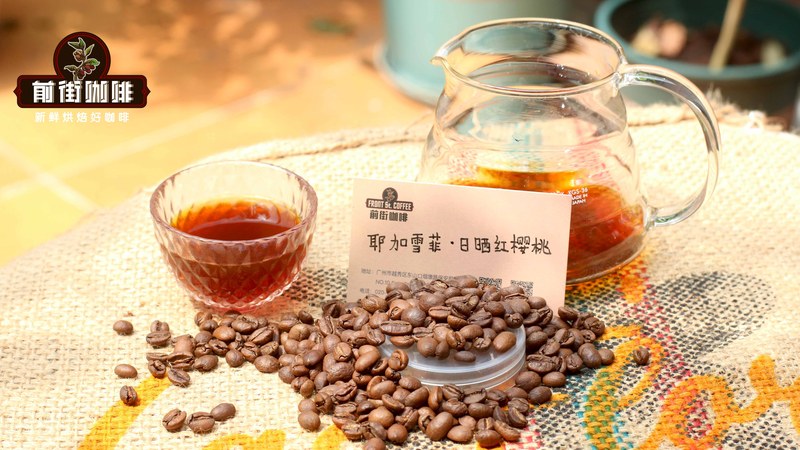
When tasting fruity coffee beans, don’t rush to conclude whether you like them or not. Through daily drinking, carefully distinguish the aroma layers, sweetness performance, texture, and aftertaste after cooling, then decide if you need to adjust the grind size, water temperature, or brewing time for the next cup. Making gradual adjustments in this way can help your flavor judgment become more accurate and allow you to better understand your preferred flavor types.
For fruity coffee beans you bring home, try to minimize exposure to high temperatures, humidity, and repeated air contact. Plan the portion size each time based on your daily consumption, and seal the beans immediately after taking them out. Grinding should be done just before brewing. If you’re tasting multiple beans at the same time, you can label the opening date for each pack and prioritize drinking the one whose aroma changes more quickly, ensuring that each brew delivers the best possible flavor state.
In summary, the logic behind selecting fruity coffee beans can actually be traced back to the essence of a cup of coffee: whether the bean’s flavor meets expectations, whether the equipment used can fully express its characteristics, and whether parameter adjustments follow a logical path. As long as you can finish drinking within a reasonable time frame, aspects such as aroma maintenance, flavor expression, and cost control will all become easier. By gradually trying and comparing these two representative fruity beans from Colombia and Ethiopia, you’ll be able to more clearly identify the flavor direction that suits you.
The above content is compiled by CoffeeHunters, a coffee news website.

