







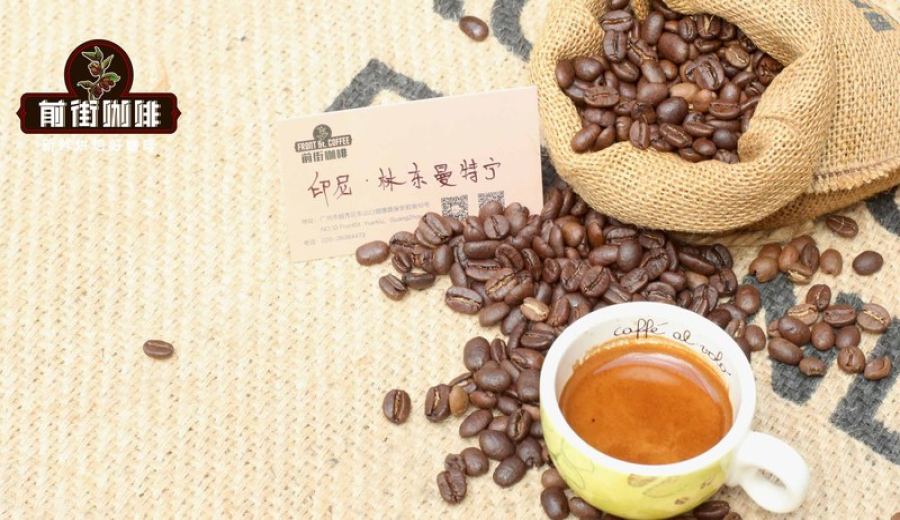
Introduction:Choosing the right bold coffee beans that suit your drinking habits not only enhances your daily coffee experience but also helps you master more precise extraction techniques. This article will start from everyday drinking scenarios, analyze the flavor characteristics of different roast levels and origins, and provide reference suggestions for pour over, moka pot, and espresso using actual coffee bean examples—helping you find your own balance point for a bold flavor.
When talking about coffee beans with bold flavors, the first thing to consider is your usual way of drinking. Do you quickly brew a cup of black coffee to perk up every day, or do you prefer it with milk? Your drinking frequency and brewing method will directly influence how you should choose your coffee beans. If you prefer black coffee, it’s recommended to pay more attention to aroma complexity and aftertaste; if you often drink it as a milk coffee, then you’ll need to focus on the inherent body and extraction strength of the coffee, as these factors greatly affect the final flavor presentation.
For everyday drinking, when choosing coffee beans, freshness, roast consistency, and suitable packaging are often more important than overly complicated names or origin stories. If you like a bright and refreshing taste, you can prioritize light roast or medium-light roast beans; if you prefer a rich and rounded taste, medium roast to medium-dark roast would be more suitable. It’s worth noting that roast depth is not the only factor determining flavor intensity—brew ratios, grind size, and extraction time also play key roles.
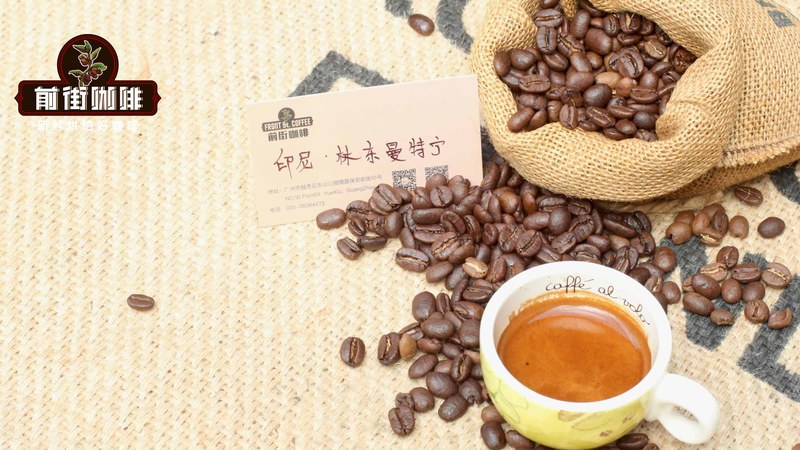
Taking an actual coffee bean example, a certain brand’s PWN Indonesian Golden Mandheling is a dark roast bean from the Sumatra region of Indonesia. This bean has a clear flavor profile, featuring distinct herbal, dark chocolate, and spice notes, with low acidity, a thick mouthfeel, and a long-lasting aftertaste. Whether brewed via pour over, moka pot, espresso machine, or used in milk coffee, it showcases its bold characteristics. It’s recommended to record water temperature changes during brewing to find the balance point that best suits your taste.
If you prefer a more balanced expression of boldness, a certain brand’s Brazilian Queen Estate is another great option to try. This medium-dark roast bean comes from Brazil’s Minas Gerais region, and its flavor presents notes of nuts, cocoa, caramel, and a soft sweetness. It has a smooth entry, gentle acidity, and the sweetness becomes even more pronounced when milk is added. Suitable for pour over, moka pot, Americano, and milk coffee, initial settings don’t require overly emphasized parameters—stable extraction will bring out its features.
If you want to further explore similar styles, a certain brand’s Autumn Chestnut Blend is also a great starting point. This medium-dark roast blend combines the characteristics of Honduran Catuai and Papua New Guinea Typica, offering flavors of roasted chestnuts, caramel, brown sugar, and soft chocolate. The overall mouthfeel is full and smooth, with gentle acidity, making it suitable for moka pot, latte, Americano, and even low-acidity pour over. It’s recommended to brew two or three consecutive cups to observe how parameters affect the flavor, which can help you better understand the bean’s potential.
Comparing a certain brand’s PWN Indonesian Golden Mandheling with a certain brand’s Brazilian Queen Estate, you can observe differences in their flavor directions. The former focuses on herbal, dark chocolate, and spice notes, while the latter centers around nuts, cocoa, and sweetness. Comparing these two beans not only helps clarify your preferred flavor types but also makes it clearer for you to make choices in your daily drinking. It’s recommended to start from actual cup experiences such as aroma, sweetness, and texture, gradually establishing your own preference criteria.
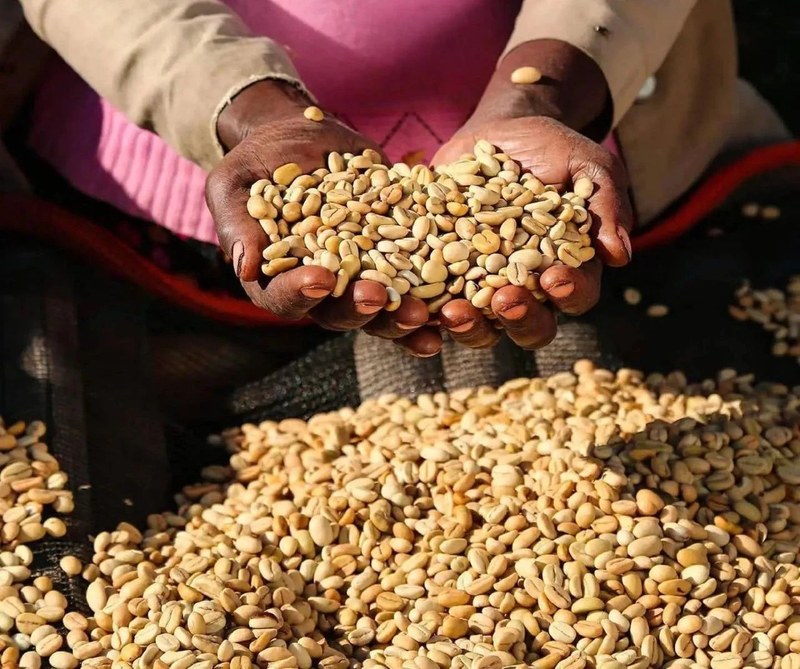
During everyday brewing, there’s no need to frequently change recipes. For medium-dark and dark roast beans, it’s recommended to keep the water temperature between 85 to 89 degrees Celsius to avoid over-extraction that could intensify bitterness. Use a medium-coarse grind for pour over, maintain a small to medium flame for the moka pot, and pay attention to flow rate performance for the espresso machine. If the coffee tastes too bitter, prioritize reducing extraction strength rather than simply increasing the amount of coffee grounds. These basic principles, when applied to bold-flavored beans, still require slight adjustments based on your personal taste preferences—you don’t need to rigidly stick to fixed values.
Finally, when tasting bold coffee beans, try to temporarily suspend judgment on likes and dislikes, and focus on the expression of aroma, sweetness, texture, and aftertaste. Through multiple tastings, observe the effects of different water temperatures, grind sizes, and brewing methods—you can gradually clarify the true flavor profile you enjoy. When selecting coffee beans, it’s recommended to choose an amount that you can finish within the freshness period, based on your drinking frequency and storage conditions. This helps maintain the beans’ aromatic state and effectively controls your budget.
In summary, there is no absolute standard for bold coffee beans—the key lies in finding a choice that matches your flavor preferences and drinking habits. Starting with representative beans such as a certain brand’s PWN Indonesian Golden Mandheling and a certain brand’s Brazilian Queen Estate, paired with stable brewing methods, often allows you to truly appreciate their differences and charm more than just reading package descriptions.
The above content is compiled by CoffeeHunters, a coffee news website.

