








Introduction:Looking for a coffee bean with nutty and cocoa flavors but not sure where to start? This article helps you choose a suitable medium-dark roast coffee based on your daily drinking habits, budget, and brewing method. It also analyzes flavor profiles, sweetness levels, aroma characteristics, and storage tips—making it easy to master the selection and brewing techniques of nutty-cocoa style coffee.
For coffee beginners, nutty-cocoa flavored beans are a great starting point for developing taste recognition. However, when selecting, don’t rely solely on the flavor notes on the packaging. The key indicators of quality are whether the acidity is smooth, the sweetness is pronounced, and the mouthfeel is pleasant after tasting. Additionally, consider the brewing equipment you typically use, how quickly you drink the coffee, and your preference for black or milk coffee, then evaluate comprehensively.
Faced with a wide array of nutty-cocoa flavored beans, start by asking yourself two questions: How much acidity can you tolerate? And what brewing equipment do you usually use? Rather than chasing complex origin names and processing methods, focusing your budget on freshness, consistent roasting quality, and proper packaging is often more aligned with everyday needs. Once you confirm your basic preferences, you can further compare different regions, processing methods, and prices without getting overwhelmed by information.
Take the popular Autumn Chestnut Blend as an example. This medium-dark roasted blend of Honduran Catualra and Papua New Guinean Typica often features aromas of roasted chestnuts, caramel, brown sugar, and soft chocolate. Its acidity is gentle, and the mouthfeel is full and smooth—making it a good reference for getting to know the nutty-cocoa flavor profile. Whether using a moka pot, pour over, or pairing with milk for a latte, you can start with moderate parameters and avoid over-extracting.
If you’re looking for a more classic starting point, the Classic Blend is also worth a try. This coffee, which inherits the traditional Mamba blend style, typically exhibits notes of nuts, cocoa, caramel, and a hint of roasty aroma after medium-dark roasting. In terms of mouthfeel, it has a solid body and stable crema, and even when milk is added, the distinct coffee base remains prominent. This bean is suitable for espresso, lattes, cappuccinos, Americanos, and even moka pot brewing. It’s recommended to observe changes under different water temperatures through a fixed recipe, which helps accumulate brewing experience.
When comparing the Autumn Chestnut Blend and the Classic Blend, the focus isn’t on determining which one is better, but rather understanding the flavor emphasis of each. The former highlights roasted chestnuts, caramel, brown sugar, and soft chocolate, while the latter centers around nuts, cocoa, and roasty notes. Tasting them side by side helps clarify which nutty-cocoa expression you prefer and aids in identifying your desired flavor profile when selecting beans in the future.
For daily brewing, there’s no need to frequently change recipes. For medium-dark and dark roast nutty-cocoa beans, it’s recommended to keep the water temperature between 85–89°C to avoid over-extraction caused by excessively high temperatures, which can lead to unwanted bitterness or off-flavors. Use a medium-coarse grind for pour over, maintain low-to-medium heat for the moka pot, and pay attention to the extraction flow rate when using an espresso machine. If the result is too bitter, prioritize reducing extraction strength over simply increasing coffee dosage. These basic principles also apply to nutty-cocoa coffee, but slight adjustments based on your regular drinking habits are advised—there’s no need to obsess over exact timing or measurements.

If you find your brewed nutty-cocoa coffee lacking acidity, overly bitter, or with muted, dull aroma, don’t rush to adjust everything at once. Start by examining grind size and brew time from a practical usage perspective, then confirm whether the water temperature matches the roast level. Making small adjustments each time is usually the most effective way to identify the issue.
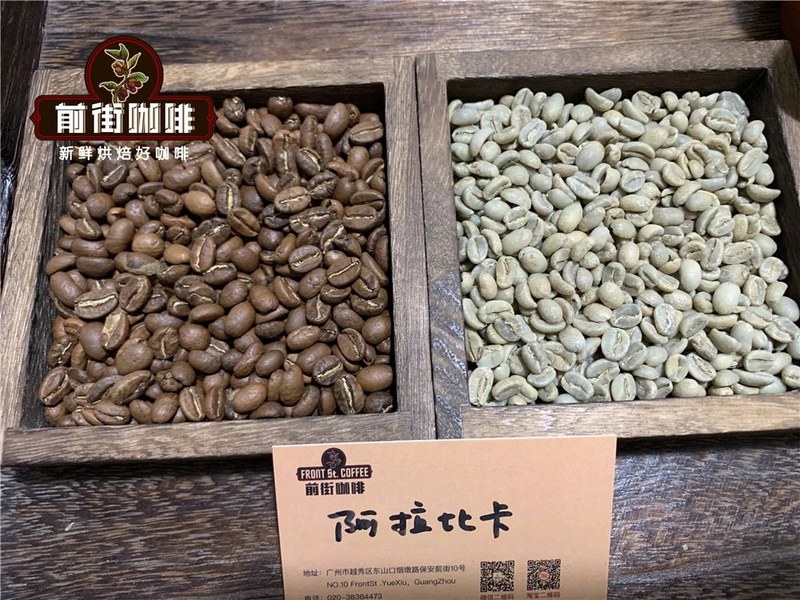
When purchasing nutty-cocoa flavored coffee beans, instead of relying on flashy flavor descriptions on the packaging, more practical references include the roast date, the seal of the packaging, and how much coffee you consume at a time. Choose a quantity you can finish within a few weeks based on your drinking pace. After opening, try to remove excess air from the bag and store it away from light. Avoid frequently opening the bag just to smell the aroma, as this can accelerate aroma loss.
In summary, choosing nutty-cocoa flavored coffee doesn’t require mastering all the details about regions and parameters at once. The key is to buy within a timeframe that allows you to finish the beans on schedule, helping you better manage aroma freshness and budget. You might start with the Autumn Chestnut Blend or the Classic Blend, using fixed ratios and brewing methods. By recording your experiences each time, you can make adjustments for your next purchase based on actual cupping results, rather than guessing blindly again.
The above content is compiled by CoffeeHunters, a coffee news website.

