








Introduction:Looking for coffee beans that are great for everyday drinking but not sure where to start? This article will help you choose beans with stable flavor and good value based on your budget, brewing frequency, and taste preferences. We’ll also provide practical brewing parameters and suggestions to help you easily develop your own coffee taste and enjoy every cup.
Choosing coffee beans suitable for long-term consumption is actually a blend of taste training and practical judgment. When buying beans for daily use, besides considering how quickly you go through them and how much to purchase at a time, you should also decide based on whether your household mainly drinks black coffee or milk-based coffee. The flavor descriptions on packaging can offer some guidance, but they can’t fully replace the actual tasting experience. Pay special attention to whether the acidity is gentle, whether the sweetness is pronounced and lingering, and whether the overall mouthfeel is smooth — these are key factors that influence your everyday coffee experience.
It’s worth noting that water quality has a huge impact on coffee performance, which may cause the same beans to perform very differently in different environments. Therefore, when evaluating beans suitable for long-term drinking, it’s recommended to prioritize freshness, roasting consistency, and packaging suitability for storage, rather than blindly chasing complex or flashy flavor names. For everyday brewing, you can start with clean-smelling water with moderate mineral content and keep the water source consistent, then gradually adjust grind size and water temperature. This approach makes it easier to identify the true sources of flavor differences.
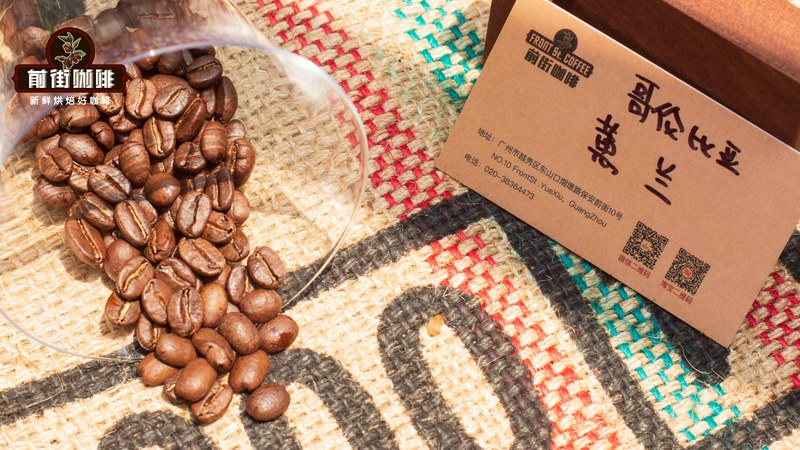
Relying solely on text descriptions often fails to create an intuitive impression. Here, you can refer to a representative bean variety — Kenyan beans, often described as having a small tomato-like flavor. These lightly roasted beans from Kenya often feature fresh fruit notes like cherry tomatoes, dark plums, pears, and black plums. Overall, the acidity is bright and clear, with sweetness gradually emerging in the mid-palate. They are suitable for pour over, iced pour over, or for those who prefer black coffee with a pronounced fruity juice-like character. It’s recommended to start with a set of familiar brewing parameters, such as water temperature and grind size, and then fine-tune gradually to find the most suitable expression for your taste.
Another noteworthy bean is the medium-light roasted Sidamo from Colombia’s Boundary Line Estate. The flavor profile of this bean is relatively clear, often described with aromas such as jasmine, citrus, passion fruit, blueberries, and grapes. The entry offers gentle fruit acidity, with a cocoa-like smooth aftertaste. This bean works well with various brewing methods, including pour over, single-origin espresso, cold brew, and ice drip, showcasing its characteristics under different extraction methods. For those who want to explore diverse flavors while maintaining stable quality, this is a great choice for everyday selection.
If you’re looking for a more premium reference point, consider the Red Label Geisha from the Emerald Estate in Panama’s Boquete region. This lightly roasted bean is known for its delicate mouthfeel and expansive aroma, commonly featuring flavors such as jasmine, bergamot, citrus, and black tea. Upon tasting, the aroma layers are distinct, with a clean and refreshing finish, making it especially suitable for pour over or black coffee that emphasizes aromatic complexity, fully showcasing its refined flavor characteristics.
If you compare the Kenyan small tomato and Colombian Sidamo side by side, the focus isn’t on judging which is better, but on helping drinkers understand the different emphases in flavor expression. The Kenyan beans’ cherry tomato, dark plum, pear, and black plum notes serve as a flavor benchmark, while the Colombian Sidamo’s jasmine, citrus, passion fruit, blueberry, and grape aromas offer another option with a fresh fruity profile. Through this comparison, you can better understand which types of aromas, sweetness, and mouthfeel textures you prefer during your evaluation of beans suitable for daily drinking.
During everyday brewing, there’s no need to frequently change recipes. For pour over, for example, you can start with 15 grams of coffee grounds and 225 grams of water, using a medium-coarse grind, with water temperature recommended between 87 to 92 degrees Celsius. If you find that light-roasted beans exhibit too much acidity or a thin mouthfeel, you can slightly adjust to a finer grind or increase the water temperature. Conversely, if there’s noticeable bitterness or astringency, it’s advisable to coarsen the grind and shorten the latter part of the pouring time. This suggested process is suitable for evaluating beans for long-term consumption, but still needs to be flexibly adjusted according to individual actual drinking conditions — there’s no need to rigidly stick to fixed values.
It’s important to note that flavor descriptions are only for reference — actual cup performance can still be influenced by grinder performance, filter design, water quality, room temperature, and other factors. If you wish to conduct stable coffee bean evaluations through everyday drinking, it’s recommended to keep your equipment and water source as consistent as possible. Only then can you observe the true trends of how beans change over time and under different conditions, leading to meaningful conclusions.
In summary, building a long-term coffee taste experience is more about stability than pursuing complex or constantly changing flavors. It’s advised to purchase beans in amounts you can finish on time — this not only helps maintain their aromatic state, but also better manages your budget. You can start with the Kenyan small tomato or Colombian Sidamo, get familiar with one style, keep water quality and equipment consistent, and then gradually adjust grind and water temperature to slowly find the cup of coffee that suits your taste best.
The above content is compiled by CoffeeHunters, a coffee news website.

