







Introduction:To make an espresso with rich crema, technique is important—but bean selection is even more crucial. From a practical perspective, this article helps readers understand how to choose the right coffee beans for espresso based on drinking frequency, budget, and flavor preferences. It not only introduces classic blends and single-origin beans that deliver consistent crema performance, but also shares actual brewing parameters and adjustment tips so you can consistently extract fragrant, creamy espresso at home.
Brewing an espresso with rich crema is not solely dependent on extraction technique—it’s closely tied to the coffee beans used. If you want to gradually build your judgment of espresso crema through daily consumption, you must consider factors such as how quickly you drink coffee, how much you buy, and whether your home consumption mainly consists of black coffee or milk-based drinks. While the flavor descriptions on packaging offer some guidance, it ultimately comes down to hands-on cupping experience—paying attention to whether the acidity is smooth, the sweetness is full, and the mouthfeel is silky. These are all key indicators of quality beans.
If you’re buying coffee beans to share with others, it’s best to prioritize those with balanced acidity and sweetness, and that work well across multiple brewing methods. At this stage, there’s no need to chase fancy names or unique origin beans. Instead, focus your budget and attention on the freshness of the beans, stability of the roast, and suitable packaging. Once you’re enjoying coffee solo, you can then explore bolder flavors like pronounced fruity notes or dark roasts—you’ll likely find them more enjoyable too.
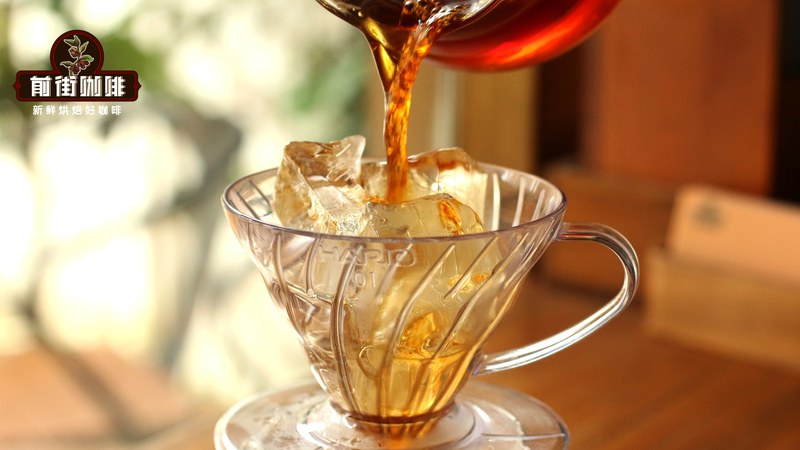
For example, dark-roasted Indonesian Sumatra Mandheling Golden is a classic choice often used to understand differences in coffee flavor layers. This bean typically exhibits notes of herbs, dark chocolate, and spices. Upon tasting, it has low acidity, a full body, and a long finish, making it suitable for various brewing methods including pour over, moka pot, espresso machines, and milk-based drinks. When using it for the first time, start with a set of familiar parameters you're comfortable with, then fine-tune gradually to find your optimal extraction balance.
Another worthwhile option is a medium-dark roasted classic blend, inspired by traditional Mocha-Java style, delivering notes of nuts, cocoa, caramel, and mild roasty aromas. These beans usually exhibit a solid body and stable crema layer, and they retain distinct coffee characteristics even when milk is added. They are suitable for espresso, latte, cappuccino, Americano, and even moka pot brewing. When adjusting parameters, it’s recommended to start with a medium grind and concentration to observe sweetness, then decide whether to increase extraction strength based on preference.
Comparing these two beans—the dark-roasted Indonesian Mandheling Golden and the medium-dark roasted classic blend—is not about determining which is better, but helping you discern different flavor profiles. The former emphasizes herbal, chocolate, and spice notes, while the latter centers on nutty, caramel, and roasty characteristics. When focusing on "which coffee beans yield richer crema for espresso," comparing their aroma, sweetness, and flavor layers can clarify your personal preferences and inform future purchasing decisions.
In daily brewing, there's no need to frequently switch recipes. When using an espresso machine, start by extracting around 36g of coffee with 18g of coffee grounds, and observe the flow rate and overall flavor profile between 25 to 32 seconds. If the acidity feels too thin, try a finer grind; if you sense obvious bitterness or a dry aftertaste, opt for a coarser grind. Especially when making milk-based drinks, ensure the espresso itself has enough complexity and sweetness to avoid ending up with a thin, burnt taste after adding milk.
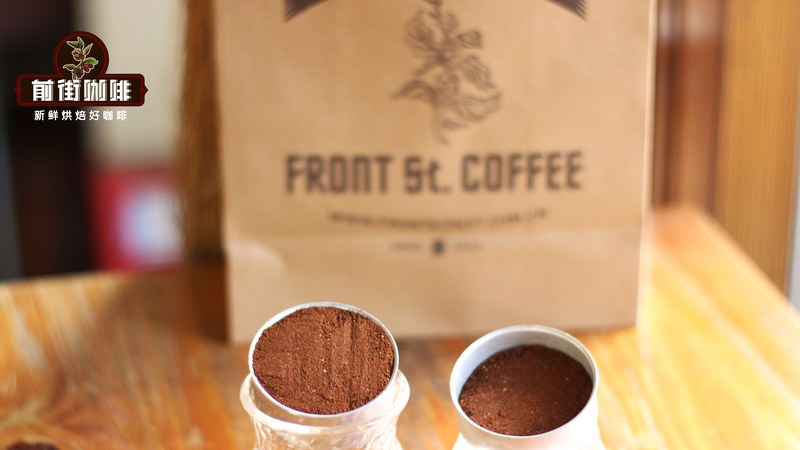
While these brewing suggestions provide reference values, don’t get too fixated on exact seconds or weights during actual use—the focus should be on observing real flavor changes with each brew. Additionally, coffee flavor expression is influenced by grinder type, filter design, water quality, and indoor temperature. Therefore, if you want to make a more precise judgment on "which coffee beans yield richer crema for espresso," it’s best to observe the same bean across different batches or roast dates under fixed equipment and water conditions to draw more reliable conclusions.
If your home brewing mainly involves one or two methods, there’s no need to stock too many different types of beans. Based on your daily habits, choose one bean with clear black coffee characteristics and single-origin clarity, paired with a blend suitable for espresso or milk coffee. This combination covers most usage scenarios while making it easier to track the best flavor window and avoid prolonged storage that leads to flavor loss.
When selecting coffee beans for espresso or Espresso, there’s no need to dive into all regional characteristics and complex parameters from the start. The priority is choosing beans you can finish within your drinking pace—this helps control budget while keeping the beans at their best flavor state. It’s recommended to start with classic medium-dark or dark roasted blends, such as the two representative beans mentioned earlier, using fixed ratios and grind settings for extraction, and recording your tasting experiences each time. On your next purchase, adjust based on actual cupping experience rather than blind trial and error.
The above content is compiled by CoffeeHunters, a coffee news website.

