







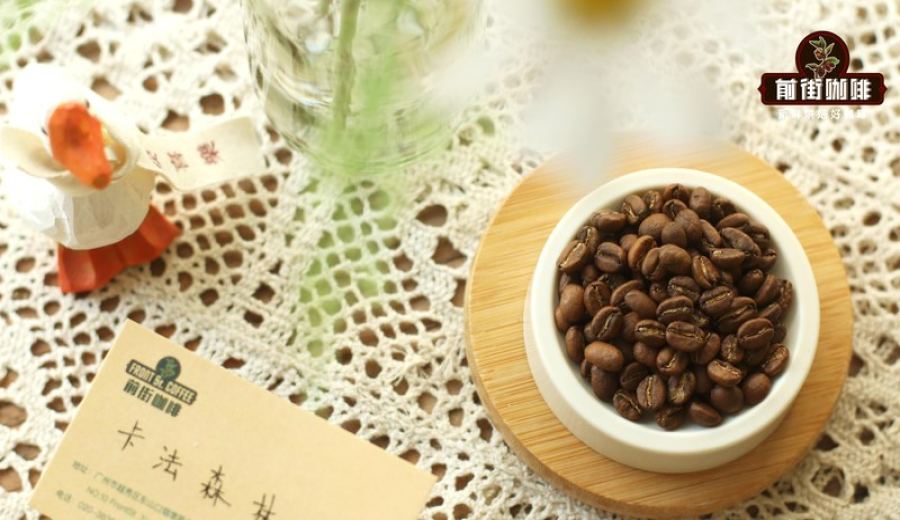
Introduction:Choosing the grind size for your Moka pot coffee is actually a process of balancing flavor performance with daily convenience. This article will explain what grind size to use for a Moka pot, covering the optimal fineness between pour over and espresso, practical tips for operation, and how to adjust your grind and storage methods based on purchase quantity and brewing frequency. It’ll help you go from beginner to mastering your own brewing rhythm.
The brewing mechanism of a Moka pot means that its required grind size falls between that of pour over and espresso. Compared to pour over, which needs a coarser grind to allow water to pass through easily, the Moka pot requires a slightly finer grind to effectively extract enough flavor and strength during heating. But don’t grind it too fine, or it may over-extract and taste bitter. It’s recommended to set the grind size between pour over and espresso, closer to espresso but slightly coarser—about the texture of fine sugar.
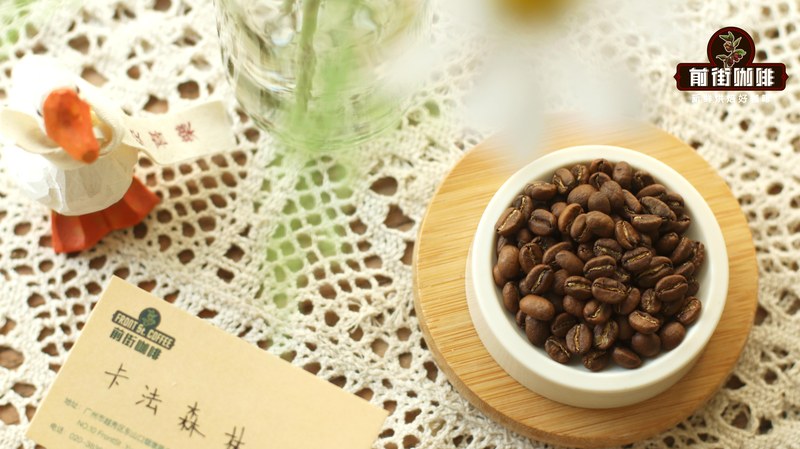
When selecting coffee beans, in addition to grind size, you should also consider your daily drinking habits and how much you buy. If you often drink black coffee, it’s recommended to choose beans with rich flavor layers and noticeable acidity, typically medium-light to medium roast. If you prefer milk-based coffee, medium-dark to dark roast options can better bring out the richness and caramel notes. Additionally, coffee made with a Moka pot is usually bold and concentrated, making it ideal for enjoying the pure essence of coffee without too many fancy additions.
When talking about flavor, descriptions like fruit, nuts, or chocolate that we often hear actually come from the coffee bean variety, origin, processing method, and roast level—not from actual added ingredients. Therefore, when choosing beans and adjusting grind size, it’s more practical to prioritize bean freshness, roast consistency, and proper packaging, rather than chasing complicated flavor terms. Fresh coffee beans can truly showcase delicate aromas and layered profiles.
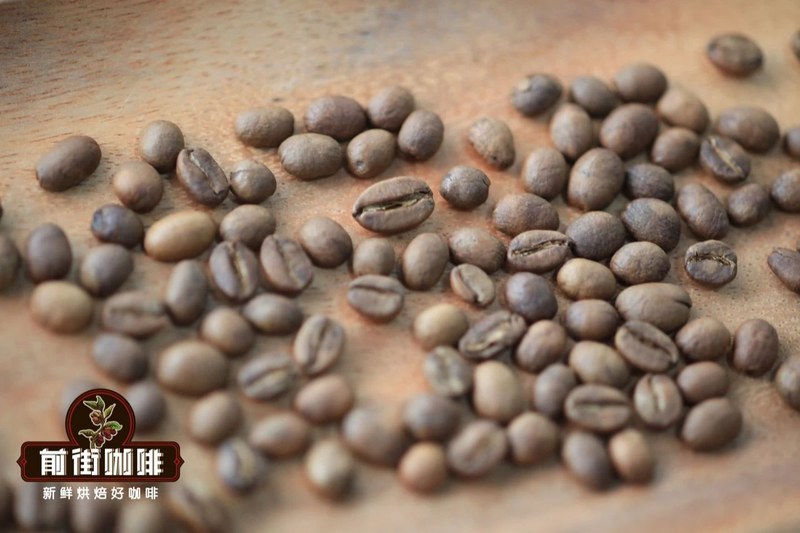
For example, a dark roasted Sumatra bean often has prominent flavors of herbs, dark chocolate, and spices, with low acidity and a thick body—it’s well-suited for extraction with a Moka pot and can fully showcase its bold character. On the other hand, a medium-dark roasted blend might focus more on nutty, cocoa, and caramel sweetness, offering a smooth mouthfeel and suiting various drinking styles, including with milk. These two types can serve as references when using a Moka pot, helping you clarify which flavor profile you prefer.
When actually operating a Moka pot, the coffee-to-water ratio and heat control are equally crucial. It’s recommended to gently level the coffee grounds in the basket after adding them, but without tamping them down forcefully, as this could affect water flow speed and extraction evenness. Fill the lower chamber with water up to the indicated water level, then heat with low to medium heat. Once the coffee starts flowing out steadily, closely observe its color and flow rate. When there’s obvious splattering or the color becomes lighter, you should immediately turn off the heat to avoid over-extraction, which can lead to burnt and bitter flavors.
The brewing time for a Moka pot is usually only 25 to 35 seconds, but don’t get too fixated on the exact number—what matters most is observing the color and flow state of the extraction. Also, after each brew, it’s a good idea to record your parameters such as grind size, heat level, water temperature, and brewing time, so you can make adjustments later and recreate your ideal flavor.
If you’re just starting out with a Moka pot, it’s recommended to fix on one type of bean and grind size first, and gradually fine-tune to find the combination that best suits your taste. At the same time, try to store the beans whole and grind them right before brewing, which helps preserve their aroma and freshness. If you’ve already ground the beans into powder, you’ll need to be stricter about controlling purchase quantities and usage within the opened package—ideally finishing them within a week to avoid aroma loss.
In summary, the grind size for a Moka pot should be selected at a fineness between pour over and espresso. During operation, pay attention to heat control and the state of extraction, and adjust the bean variety and roast level according to your drinking habits. Through continuous experimentation and recording, you’ll be able to more precisely master your own Moka pot brewing style and enjoy every cup of bold and expressive coffee.
The above content is compiled by CoffeeHunters, a coffee news website.

