







Introduction:Choosing specialty coffee beans suitable for a moka pot involves more than just considering roast level—it also requires adjusting based on your daily drinking habits. From a practical standpoint, this article helps readers clarify preferences between black coffee and milk-based coffee, whether for single or shared use, and explains how to find the right beans by examining roast date, processing method, and flavor descriptions. It also provides grinding and brewing tips so you can consistently extract balanced and layered coffee at home.
When you start using a moka pot to brew coffee, selecting the right beans is the first step that influences overall flavor. Faced with a wide array of coffee bean options, it’s best to start by considering your actual usage scenario—for example: how often do you drink coffee per week? Do you enjoy it alone or share it with family or roommates? Do you prefer the purity of black coffee or the mellow taste of coffee with milk? These questions will help you focus on key elements such as "freshness," "roast style," and "bean characteristics."
If you’re brewing for multiple people or frequently using the moka pot, it’s recommended to prioritize beans with balanced acidity and sweetness that suit a variety of brewing methods. Such beans are typically medium to medium-dark roasted, with a clear yet not overpowering flavor profile, making them adaptable to different extraction tools from moka pots to French presses. Rather than chasing niche or complexly named processing methods, it’s better to focus your budget and attention on whether the "beans are fresh," the "roast is consistent," and whether the "packaging preserves flavor effectively"—this aligns more closely with everyday drinking needs.
If you prefer to enjoy coffee on your own, you can try beans with more distinctive flavor profiles, such as those with pronounced fruitiness, wine-like notes, or dark roast chocolate characteristics. However, even for advanced users, it’s recommended to start with more approachable medium-dark or balanced blends, and once familiar with the moka pot’s characteristics, gradually expand the range of flavors you explore.
For example, "Autumn Chestnut Blend" is a great entry-level moka pot bean for establishing a flavor benchmark. It’s a blend based on Honduran Catuai and Papua New Guinea Typica, medium-dark roasted, with a flavor profile centered around roasted chestnuts, caramel, brown sugar, and soft chocolate. This bean has gentle acidity and a round, full-bodied mouthfeel, making it suitable for use in a moka pot, lattes, Americanos, and even low-acidity pour overs. It’s recommended to start with fixed parameters to get familiar with its performance, then fine-tune grind size or water temperature according to personal taste.
Another bean worth considering is "Brazilian Queen Estate," a single-origin medium-dark roast bean from Brazil’s Minas Gerais region. This bean features notes of nuts, cocoa, caramel, and soft sweetness, with low acidity and a smooth mouthfeel; its sweetness becomes even more pronounced when milk is added. In addition to being suitable for moka pots, it’s also recommended for pour overs, Americanos, and various milk-based coffees. It’s suggested to first taste it as a hot drink, then observe the changes in aroma and aftertaste as it cools, which helps in understanding the bean’s characteristics more comprehensively.
Comparing these two beans can help you clarify your preferred flavor direction: "Autumn Chestnut Blend" emphasizes roasted grain notes and caramel sweetness, while "Brazilian Queen Estate" showcases the rich texture of nuts and cocoa. This contrast can help you better understand which flavor focus you desire when selecting beans in the future.
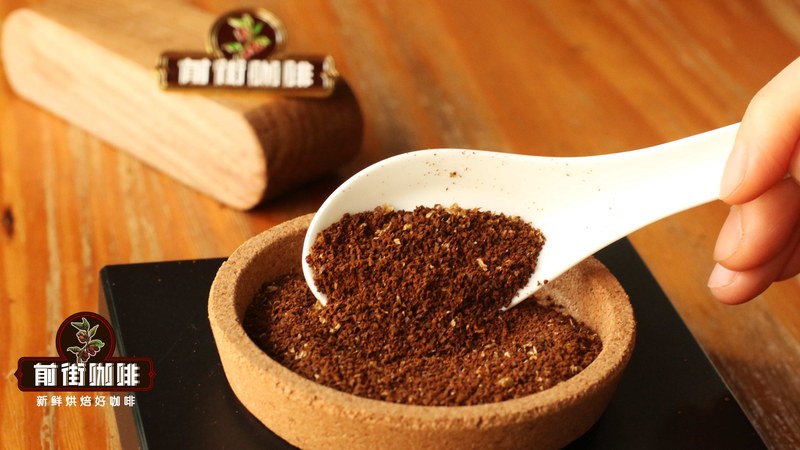
When actually using a moka pot, it’s recommended to use a grind size slightly finer than pour over but slightly coarser than espresso, roughly between medium-fine and medium. When filling the coffee basket, gently level the coffee grounds without pressing them down firmly, as this can affect water flow and extraction uniformity. When heating, it’s advised to use low to medium heat and observe the flow of coffee. Once the coffee starts flowing steadily, pay attention to its color and flow rate. If there’s noticeable splattering or the color lightens, remove the heat source immediately to avoid over-extraction and bitterness.
It’s important to note that each moka pot, heat source, and water condition may affect the optimal extraction time, so there’s no need to obsess over exact numbers like "how many seconds it takes to finish." Instead, judge based on actual flavor performance. It’s recommended to consistently use the same water source and grinder, and observe changes with each brew to more accurately grasp the potential of the beans.
Additionally, while flavor descriptions of moka pot beans can serve as a reference, the final cup’s performance is still influenced by factors such as grind uniformity, filter material, water temperature stability, and room temperature. Therefore, it’s recommended to conduct cuppings under the same conditions to truly understand the differences in characteristics between various beans.
In terms of budget planning, it’s advisable to consider both "freshness" and "grinding costs." For daily drinking, choosing a quantity that suits your moka pot and can be consumed within one to two weeks is often more cost-effective than buying large packages, and ensures you enjoy the best flavor with each brew. If you have budget flexibility, you might also invest in stable water quality or an upgraded grinder—these details often have a greater impact on overall coffee performance than expected.
In summary, specialty coffee beans suitable for a moka pot should be ones that encourage continued use and allow you to discover subtle flavor changes as you become familiar with the process. Whether you ultimately choose "Autumn Chestnut Blend" or "Brazilian Queen Estate," the key lies in whether the actual cup meets your expectations. Through continuous experimentation and adjustments, you’ll find the moka pot coffee beans that best suit your daily drinking habits.
The above content is compiled by CoffeeHunters, a coffee news website.

