







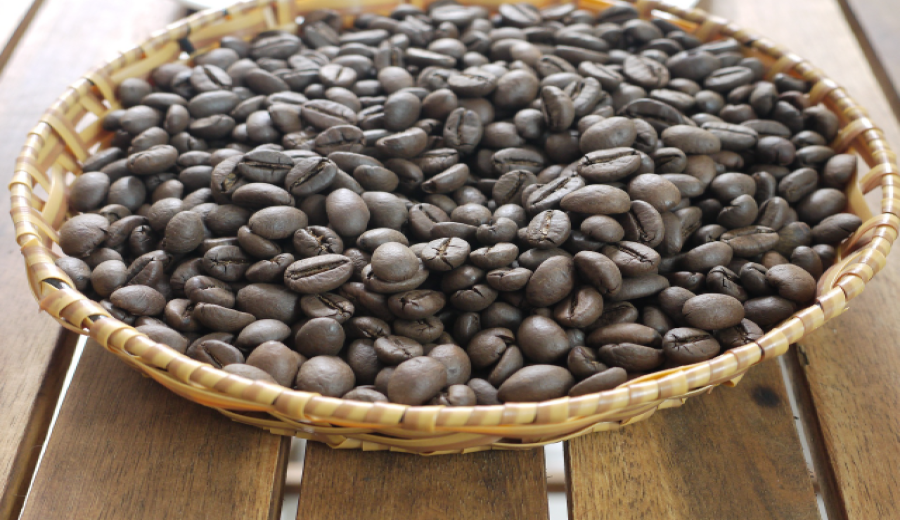
Introduction:When choosing coffee beans suitable for use with a moka pot, in addition to flavor preferences, factors such as grind size, brewing parameters, and daily usage frequency should also be considered. This article will explain how to select cost-effective coffee beans based on practical needs, and through a comparison between classic blends and seasonal flavor blends, help readers master the key techniques from bean selection to brewing. Whether you prefer black coffee or milk-based drinks, you’ll be able to find a suitable option.
From coffee beans to a delicious cup of coffee, there are key steps in between such as grinding and extraction. If you frequently use a moka pot, when choosing a coffee bean with a strong aroma, it’s recommended to first evaluate your drinking habits: do you brew every day, or only occasionally? Do you prefer pure black coffee, or do you often drink it with milk? Understanding the equipment you usually use and your flavor preferences will give you more direction when selecting beans.
Water quality is also an important factor affecting the performance of moka pot coffee. In fact, rather than pursuing beans with complicated names, it’s better to first ensure the beans are fresh, the roast is stable, and the packaging is appropriate. For daily brewing, it’s recommended to start with water that has a clean aroma and moderate mineral content, and to use a consistent water source. Then gradually adjust the grind size and water temperature. This way, you can more accurately discern the sources of flavor differences.
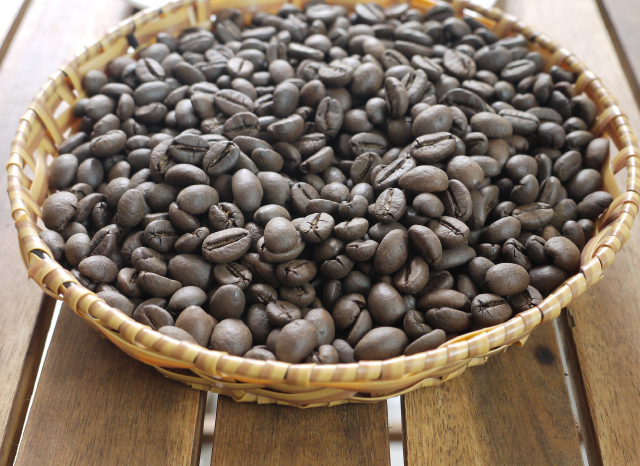
When it comes to specific bean choices, you can consider classic medium-dark roasted blends. These blends typically adopt a traditional Mamba style, which combines beans from Central and South America, bringing notes of nuts, cocoa, caramel, and some roasted aromas. In actual drinking, the coffee has a strong concentration, with a stable crema (cream layer), and even when milk is added, the distinct characteristics of the coffee remain apparent. These beans are suitable for espresso, latte, cappuccino, Americano, and of course, the moka pot. It’s recommended to first fix a set of brewing parameters you’re familiar with, then make fine adjustments according to taste.
If you want to further explore different flavor profiles, you can try seasonal or specialty blends such as the Autumn Chestnut Blend. This blend is typically based on beans like Honduran Caturra and Papua New Guinea Typica, also using a medium-dark roast. The flavor presents roasted chestnuts, caramel, brown sugar, and soft chocolate notes. The acidity is relatively mild in taste, and the overall drinking experience is full-bodied and smooth. It’s not only suitable for brewing with a moka pot, but also worth trying in lattes, Americanos, or even low-acidity pour over. Drinking two or three cups in a row can help you more clearly perceive the impact of parameter changes.

Tasting the classic blend alongside the Autumn Chestnut Blend is not about determining which is better, but rather about helping you understand the focus of different flavor profiles. The classic blend is centered around nuts, cocoa, caramel, and roasted aromas, making it very suitable as a daily reference base; whereas the Autumn Chestnut Blend features roasted chestnuts, caramel, brown sugar, and soft chocolate as its main flavor notes, showcasing another kind of gentle and mellow charm. For coffee beans used in a moka pot, you might as well start with these two, comparing their aroma intensity, sweetness expression, and flavor layers, thereby finding the option that best matches your flavor preferences.
When using a moka pot daily, there’s no need to frequently change the type of beans or the recipe. It’s recommended to use a grind size that’s slightly finer than pour over but slightly coarser than espresso. When filling the basket, just gently level the grounds—there’s no need to tamp them down firmly. Use low to medium heat when heating, and observe the flow of coffee liquid. Turn off the heat when the color of the liquid begins to change and before obvious spurting occurs. This helps avoid burnt, bitter flavors caused by high temperatures in the final stages. This basic operating procedure is a very practical starting point for both the moka pot and aromatic coffee beans, but still requires fine-tuning based on the actual taste of the output, rather than blindly chasing standard timing.
Additionally, you can also try drinking the same beans as both hot and iced beverages to further experience the changes in flavor. When hot, the aroma is usually more pronounced, while a cooler environment tends to highlight acidity and freshness. If you add milk, you can also observe whether flavors like cocoa, nuts, or fruit remain clear and distinguishable.
To fully appreciate the aroma of moka pot coffee beans, grinding them fresh is the best method. It’s recommended to purchase whole beans and store them properly sealed, then adjust the grind size according to the equipment before brewing. Compared to pre-ground coffee powder, whole beans can significantly slow down the rate of aroma loss, while powdered coffee, due to its larger surface area exposed to air, requires more attention to the quantity purchased and the drinking cycle after opening, so as not to affect flavor performance.
In summary, the ideal daily-use moka pot coffee beans should be ones that you’re willing to keep brewing, and where, after becoming familiar with the brewing parameters, you can still clearly perceive the changes in flavor. Purchase only what you can finish in a timely manner—not only does this maintain the aromatic state of the beans, but it also helps better manage your budget. As for choosing a classic blend or the Autumn Chestnut Blend, the final answer lies in each cup of coffee you actually brew.
The above content is compiled by CoffeeHunters, a coffee news website.

