







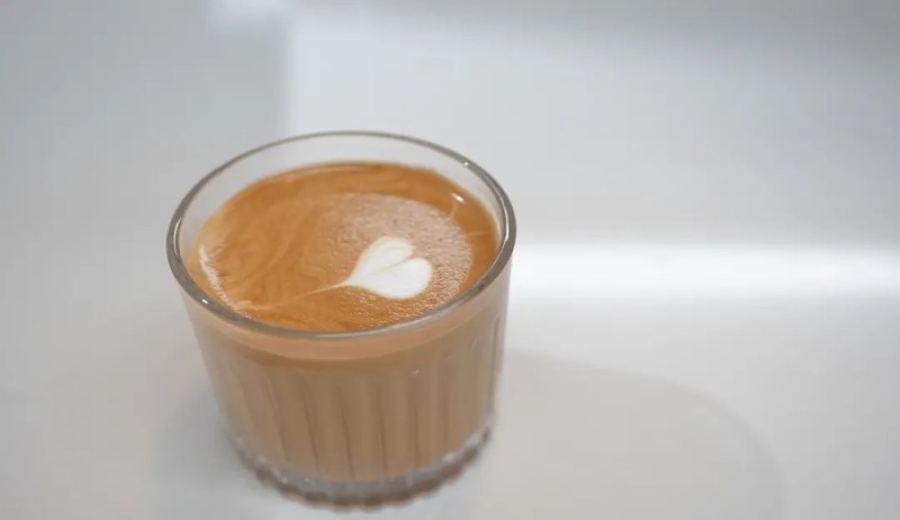
Introduction:Want to understand what types of drinks SOE coffee is suitable for? This article starts with the characteristics of SOE and analyzes how single-origin beans perform in different beverages such as pour over, Americano, and latte. It also provides practical purchasing advice and brewing parameters to help you make the most suitable choice based on your budget and drinking frequency.
When selecting an SOE (Single Origin Espresso) coffee, many people can get confused by the flavor wheel descriptors like floral, fruity acidity, nuts, and cocoa. However, these don’t refer to any added ingredients but rather the natural characteristics that the coffee beans exhibit due to their variety, origin, processing method, and roast style. To figure out what kind of coffee drinks SOE is good for, the key is not to chase after fancy flavor names, but to return to your everyday drinking scenarios: Do you drink quickly or slowly? Do you mostly have black coffee or milk-based drinks? How much should you buy at once to avoid waste? These practical considerations are more important than just looking at flavor names.
In short, SOE emphasizes using coffee beans from a single origin or farm to make espresso, unlike traditional blends that aim for balanced and stable flavors, but instead highlight the uniqueness of that particular region. If you often brew espresso, lattes, or cappuccinos at home, then choosing an SOE that can still show distinct regional characteristics in its espresso form is highly worthwhile. And when it’s transformed into an Americano or mixed with milk, if the sweetness and aftertaste remain clear, then that’s a high-quality SOE suitable for multiple brewing methods.
When you start trying different SOE beans, it’s important to pay special attention to the differences between batches. Since single-origin beans are not blended like traditional ones, factors like the ripeness of each harvest, weather conditions, and processing details can all affect the final flavor. Therefore, when grinding and brewing, it’s recommended to record parameters such as the coffee-to-water ratio, water flow rate, and brewing time—especially during the degassing period, as the balance of acidity and sweetness and the body may change. A general recommendation is to start with a 1:2 coffee-to-water ratio, and then adjust according to the actual flavor.
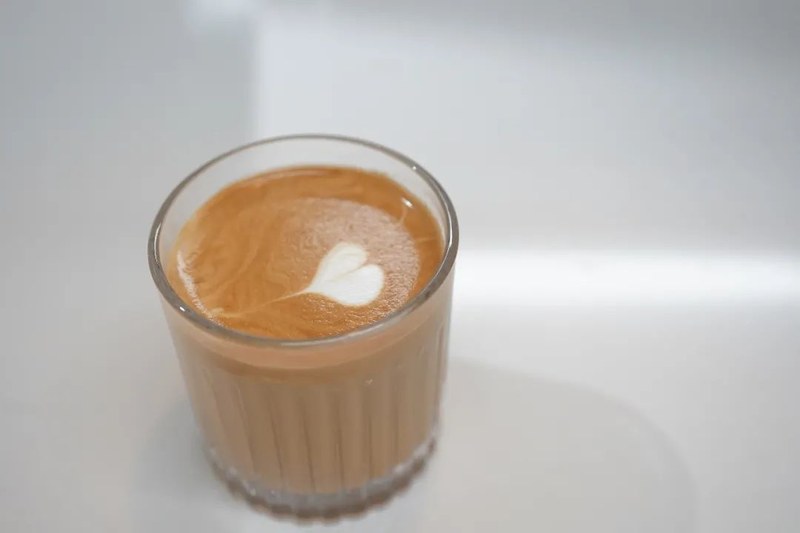
If you mainly drink milk coffee, you can pay special attention to how the SOE performs after milk is added—for example, whether the fruity acidity blends smoothly with the milk without being masked. For those who often drink black coffee, it’s recommended to choose beans with bright but not overly sharp acidity, and with a good aftertaste. In practice, you can start with a small package for trial, confirm the flavor profile you like and your drinking frequency, and then decide whether to buy in bulk. This also helps manage bean freshness and budget control.
Taking an actual bean as an example, Colombian Gesha is a medium-light roasted SOE from Colombia’s Finca La Línea, often exhibiting aromas of jasmine, citrus, passion fruit, blueberry, and grape. Upon tasting, the fruity acidity is gentle, with a cocoa-like rich aftertaste. This bean is suitable for pour over, single-origin espresso, cold brew, and cold drip, and it’s recommended to start extraction at a medium concentration, then fine-tune according to personal preference. Its fresh fruity notes and sweet finish in the aftertaste make it a top choice for many coffee lovers trying SOE for the first time.
In contrast, PWN Indonesian Golden Mandheling shows a completely different flavor profile. This dark roasted bean from Sumatra often carries deep, steady notes of herbs, dark chocolate, and spices, with low acidity but a thick mouthfeel and long aftertaste. Whether it’s used for pour over, moka pot, espresso, or milk coffee, it can demonstrate a unique rich tone, making it suitable for drinkers who prefer low acidity and heavy body. When brewing, it’s also recommended to start with a medium concentration, then adjust based on performance in the cup.
Another noteworthy SOE is Brazil Queen Estate, produced in the Minas Gerais region with a medium-dark roast. Its flavors are dominated by nuts, cocoa, caramel, and a soft sweetness. This bean has mild acidity and a smooth mouthfeel, and when milk is added, it further highlights the layers of sweetness, making it very suitable for daily Americanos or various milk coffees. Whether you prefer pour over, moka pot, or pressure brewing, you can try brewing two or three consecutive cups and observe how parameter changes affect the flavor.
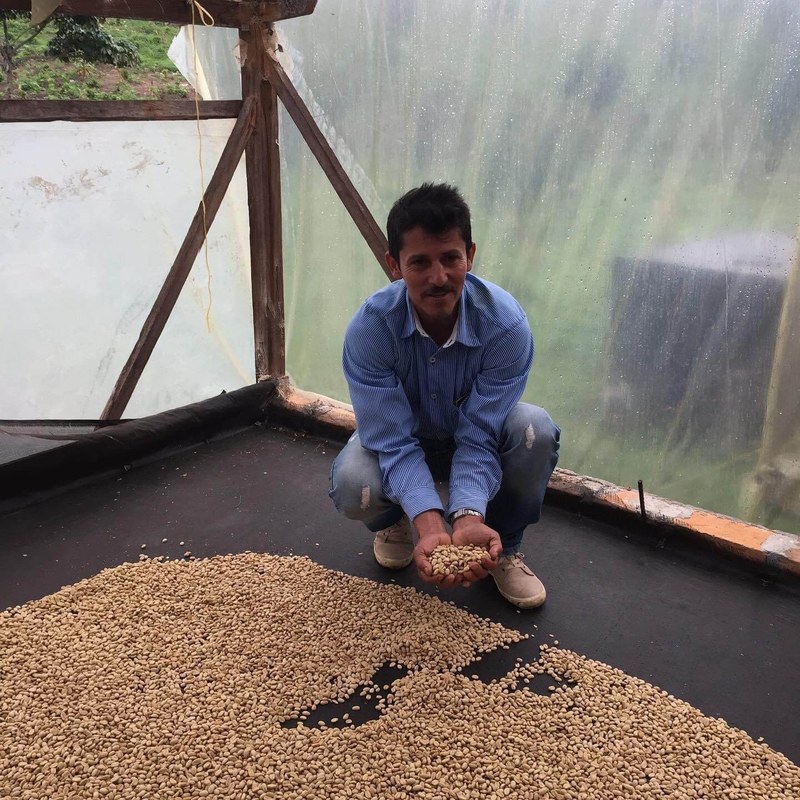
Comparing Colombian Gesha and Indonesian Golden Mandheling side by side, it’s not hard to see that they each represent two typical directions of SOE flavors: the former is dominated by bright fruity aromas and floral tones, suitable for drinkers who enjoy vibrant acidity and fruitiness; the latter excels in rich herbal and spicy notes, catering more to those who prefer thick body and low-acidity flavors. Understanding the difference between these two can help you choose an SOE with a clearer idea of the drinking experience you’re seeking.
In summary, there is no absolute standard for how to enjoy SOE coffee. The key lies in your taste preferences, budget, and actual drinking frequency. As long as you choose the right beans, manage freshness well, and use a consistent brewing method, you can easily enjoy near café-level single-origin flavors at home. Whether you’re a pour over enthusiast, an espresso expert, or a coffee lover who needs a daily latte, you can find your own optimal drinking solution within SOE.
The above content is compiled by CoffeeHunters, a coffee news website.

