







Introduction:When choosing an SOE espresso bean suitable for daily drinking, the key lies in clarifying your brewing habits and budget allocation. This article starts from practical brewing scenarios, analyzing how to select beans based on whether you prefer black coffee or milk coffee, and offers practical advice on freshness, roast stability, and packaging choices. It also introduces the characteristics of single-origin SOE beans, helping you find the most suitable beans and extraction direction through a flavor comparison between Yunnan Natural Typica and Colombian Sidra.
When it comes to SOE espresso beans, the first thing to consider is your daily drinking situation: do you usually consume it quickly or savor it slowly? How much should you buy at once to avoid waste? Do you mainly drink black coffee at home or prefer milk coffee? These questions will directly influence the flavor profile of the beans you choose. If you primarily drink black coffee, focus more on the layers of aroma and the longevity of the aftertaste; if you often add milk, pay special attention to whether the coffee’s strength and body can harmonize with the milk—this will be a key basis for determining the bean direction.
Many people, when choosing SOE espresso beans, are easily attracted by various flavor descriptions such as fruit, nuts, or syrup. However, these descriptions don’t mean that actual ingredients are added to the coffee; they are instead the combined result of the coffee bean’s variety, growing environment, processing method, and roast style. It’s recommended to start from your actual daily drinking needs, prioritizing your budget on freshness, roast stability, and suitable packaging—this is more practical than blindly pursuing complex flavor names. When tasting, start by carefully smelling the aroma, then take small sips to more intuitively understand the bean’s characteristics.
To truly understand SOE espresso beans, you must first grasp their core concept: SOE (Single Origin Espresso) emphasizes using coffee beans from a single origin or single source to make espresso, which is distinctly different from traditional blends that combine multiple beans to achieve stability and balance. When selecting SOEs suitable for daily drinking, first confirm whether the bean can clearly showcase the unique characteristics of its origin in the espresso state, then observe whether it retains noticeable sweetness and aftertaste when made into Americano or milk coffee.
Since single-origin beans often have more noticeable batch variations compared to regular blends, the grinding parameters during SOE brewing may also change over time as the beans degas. Beginners are advised to start with the common 1:2 coffee-to-water ratio, recording flow rate, acidity-sweetness balance, and flavor performance after cooling; if you plan to add milk, also pay special attention to how the fruit acidity combines smoothly with the milk. For daily purchases, you can start with a small package for a trial, and decide the subsequent quantity to restock after confirming your drinking frequency.
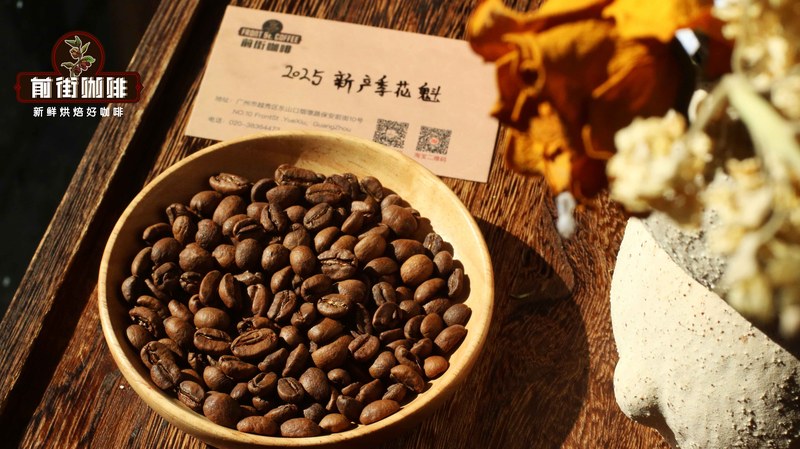
If you’re looking for an entry point within a similar style, the 2013 Yunnan Natural Typica is a bean worth trying first. Based on the Baoshan region of Yunnan, this bean is medium-dark roasted, and cupping often reveals aromatic notes of citrus, caramel, nuts, chocolate, and brown sugar. Overall, it delivers a gentle and steady sweetness, moderate body, and a soft, lingering aftertaste. Whether for daily pour over, making Americano, or pure black coffee, it can retain its characteristics relatively intact.
Another SOE flavor representative often mentioned is the Colombian Sidra, produced at Finca La Frontera in Colombia and medium-light roasted. This bean in the cup often presents an aroma combination of jasmine, citrus, passionfruit, blueberry, and grape, with a gentle fruit acidity upon entry and a cocoa-like aftertaste gradually emerging toward the finish. This flavor profile makes it highly suitable for various brewing methods such as pour over, espresso single origin, cold brew, or even ice drip—no need to set overly strong parameters when trying it initially.
Comparing the 2013 Yunnan Natural Typica and the Colombian Sidra, the focus isn’t on judging which is better but understanding their respective flavor emphases. The former provides a warm, mellow reference point with its aroma combination of citrus, caramel, nuts, chocolate, and brown sugar; the latter outlines another fresh fruity route with its jasmine, citrus, passionfruit, blueberry, and grape aromas. For SOE espresso beans, comparing the two in terms of aroma, sweetness, and texture can help you quickly clarify the flavor traits you most want to preserve.
During daily brewing, there’s no need to frequently change recipes. For espresso extraction, for example, you can start with 18 grams of coffee grounds, aiming to extract about 36 grams of coffee liquid, and observe the flow rate and overall flavor performance within 25 to 32 seconds. If the acidity feels too thin, you can slightly adjust to a finer grind; if you sense bitterness or excessive dryness toward the end, it’s recommended to adjust toward a coarser grind. When making milk coffee, also pay special attention to retaining enough coffee concentration to avoid ending up with just a bland roasted taste after adding milk. This basic parameter set also applies to SOE espresso beans, but it’s recommended to flexibly observe and fine-tune based on actual drinking conditions, without being overly rigid about specific time numbers.
The most practical advice for SOE espresso beans ultimately comes down to verifying it in your own cup. Buy only what you can finish on time, which helps maintain the freshness of the aroma and also more effectively controls budget spending. Whether you ultimately choose the 2013 Yunnan Natural Typica or the Colombian Sidra, you can start with moderate parameter settings and make slight adjustments based on the actual balance of acidity, sweetness, bitterness, and aftertaste during tasting, allowing the bean’s own characteristics to naturally shine.
The above content is compiled by CoffeeHunters, a coffee news website.

