







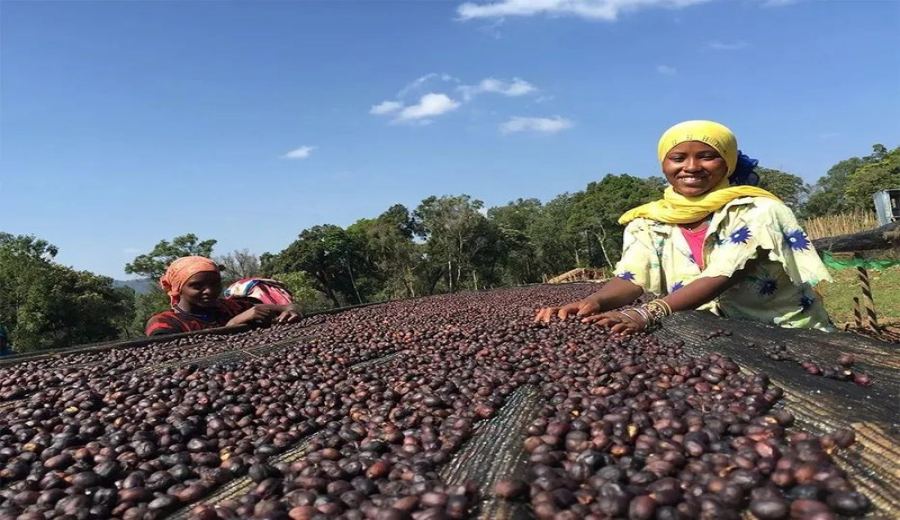
Introduction:Faced with a wide array of coffee beans, how do you choose between an espresso blend and a SOE (Single Origin Espresso) that suits your taste? This article takes a practical cupping perspective to analyze the differences between the two, and offers recommendations on roast level, aroma characteristics, suitable brewing methods, as well as key parameters and common pitfalls. It helps readers strike a balance between budget and frequency of consumption, so you can savor your own unique coffee flavor.
When we talk about espresso blends and SOEs (Single Origin Espresso), we’re actually discussing two fundamentally different approaches to blending coffee beans. Blends emphasize flavor balance and consistency, typically combining beans from multiple origins to achieve a specific taste profile through careful formulation. In contrast, SOEs focus on beans from a single origin, allowing the unique terroir and processing characteristics of that region to shine through in the final cup.
For everyday drinking, several key factors should be considered when choosing beans: how often you drink coffee, your preferred brewing method (black coffee or milk coffee), the quantity you buy and how you store it, and most importantly—roast level. Generally speaking, roast level sets the foundational flavor direction of the coffee. For example, light to light-medium roasts often exhibit bright acidity and floral notes, medium to medium-dark roasts tend toward caramel, nutty, and chocolatey tones, while dark roasts often deliver intense bitterness, sweetness, and smokiness. However, it’s important to note that roast darkness is not synonymous with strength—the coffee-to-water ratio, extraction time, and pressure also significantly influence the final outcome of a cup.
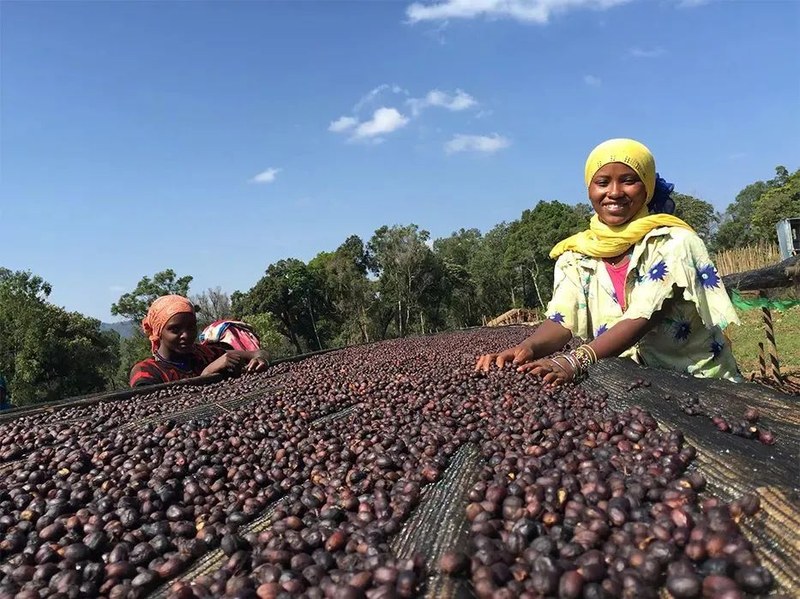
After understanding the differences between SOEs and espresso blends, it’s advisable for consumers to prioritize freshness, consistent roast quality, and suitable packaging over flashy product names. If you prefer a bright, crisp acidity and fruity notes, you might want to start with light to light-medium roasted beans. If you lean toward a richer, rounder mouthfeel, medium-dark to dark roasts may suit you better. Additionally, the choice of brewing equipment greatly impacts extraction results—whether it’s a home semi-automatic espresso machine, moka pot, AeroPress, or French press, each device will affect the concentration and flavor release differently due to its design.
When it comes to SOEs, since they use beans from a single origin, flavor variations between batches are usually more noticeable than with blends—this is also part of what fascinates many coffee enthusiasts. When brewing SOEs as espresso, it’s recommended to start with a 1:2 coffee-to-water ratio, observing flow rate, sweetness-acidity balance, and the flavor layers after the coffee cools. If you plan to add milk for a latte or cappuccino, pay special attention to whether the fruit acidity harmonizes with the milk, avoiding any sharp or unpleasant sensations. Beginners are advised to start with small sample packs for trial, and only decide whether to restock or adjust roast level after confirming their drinking frequency and preferences.
For example, a medium-light roasted coffee bean from Colombia’s Boundary Line Estate often carries complex aromas of jasmine, citrus, passionfruit, blueberry, and grape. Upon tasting, you’ll notice a gentle fruit acidity, with the finish gradually transitioning into a cocoa-like smooth aftertaste. Such beans are suitable for various brewing methods—whether it’s pour over, espresso single origin, cold brew, or even ice drip—they all showcase their delicate layers, making them especially appealing to coffee lovers who enjoy exploring nuanced flavors. Drinking two or three cups in a row can also help you observe more clearly how parameter changes affect the flavor.
Additionally, many consumers explore the differences between origins and roast styles through dark roasted beans from Indonesia’s Sumatra region. These beans typically present rich herbal, dark chocolate, and spice notes, with low acidity but an extremely full body and a long-lasting finish that carries warmth from earth and wood. These beans are highly versatile, suitable for various applications such as pour over, moka pot, espresso machines, and milk-based drinks. It’s recommended that users first establish a set of familiar parameters they’re comfortable with, then gradually fine-tune based on their taste preferences.
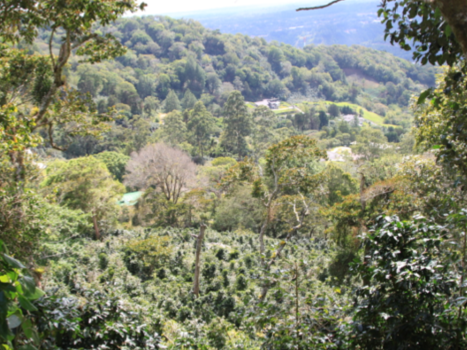
Take, for instance, a medium-dark roasted bean from Brazil’s Minas Gerais region. Such beans often combine flavors of nuts, cocoa, caramel, and a gentle sweetness, with mild acidity and a smooth mouthfeel. When milk is added, their sweet aromatic qualities become even more pronounced. These beans are great for daily use with pour over, moka pot, Americano, and all kinds of milk coffees. Again, it’s suggested that users first settle on a stable set of brewing conditions before making adjustments as needed.
Overall, there’s no absolute superiority between choosing an espresso blend or an SOE—the key lies in understanding the flavor focus and suitable scenarios for each type of bean. Comparing a fruit-forward, medium-light roasted Colombian bean with an intense, dark roasted Indonesian one can help you more clearly identify your preferred aroma profile, sweetness expression, and texture. For daily drinking, it’s best to prioritize stability—choose products that fit your drinking routine and budget, and try to consume them within their freshness window to ensure every brew delivers the optimal flavor experience.
Finally, a reminder: no matter which beans you choose, maintaining stable water quality and consistent extraction parameters are crucial to the final flavor. By gradually adjusting grind size, water temperature, and pressure, you’ll gain a deeper understanding of the coffee flavors you enjoy, and be able to consistently experience satisfying cups in your daily routine.
The above content is compiled by CoffeeHunters, a coffee news website.

