







Introduction:When selecting an espresso blend suitable for daily home use, it’s important to consider a variety of factors including aroma profile, desired strength, budget, and brewing frequency. This article takes a practical approach, analyzing how to choose a blend based on your drinking habits, and provides suggestions for extraction parameters and flavor identification techniques—helping you find the most suitable blend direction in your everyday brewing.
When talking about espresso blends ideal for daily home use, the first step is to clarify your own drinking preferences. Do you prefer black coffee, or do you often mix it with milk? How much coffee do you typically brew each time? These factors directly influence the choice of beans and the quantity to purchase. If you mainly drink black coffee, it’s recommended to focus on aroma complexity and aftertaste; if you frequently make milk-based drinks like lattes or cappuccinos, then ensure the beans are roasted to a sufficient degree to support a rich flavor even after being diluted by milk.
When purchasing an espresso blend for home use, start by clarifying two key questions: How much acidity can you tolerate? And which brewing device do you primarily use on a daily basis? Rather than chasing flashy regional names, prioritizing your budget toward freshness, consistent roasting, and suitable packaging will do more to ensure a consistent quality with each brew. Once these basic needs are confirmed, you can further compare regional terroirs, processing details, and price ranges—making your information review clearer and more organized.
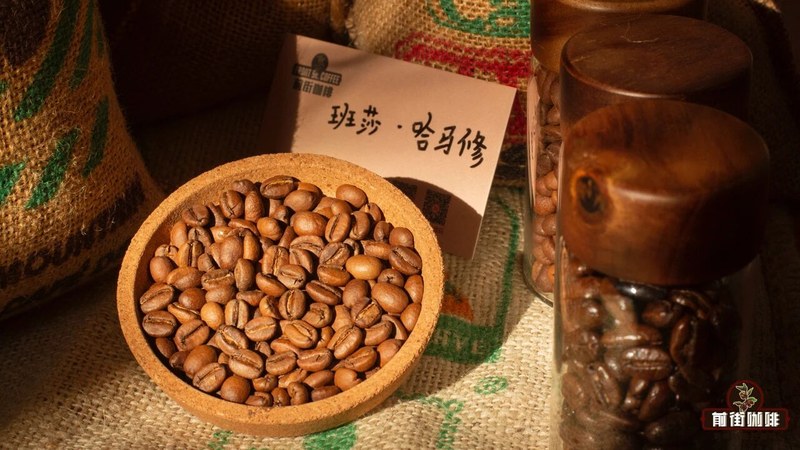
Take the classic medium-to-dark roast blend as an example—its common flavor profile can serve as a reference benchmark for home use. Such blends typically combine Arabica beans from Brazil and other South American regions, and after medium-to-dark roasting, they present a balanced sweetness of nuts, cocoa, and soft caramel. The cup is stable in flavor, offers good extraction flexibility, and maintains consistent taste whether served hot or cold. It's suitable for various espresso brewing scenarios, including Americano black coffee, lattes, flat whites, and even the espresso base made with a home semi-automatic machine.
Another common option is the medium-to-dark roast blend with a distinct fruity aroma. Through a combination of Arabica beans from multiple regions and a moderate roast level, these blends often release a sweet fruitiness reminiscent of strawberry taffy, while maintaining a rounded sweet foundation. The espresso itself has enough body, and when milk is added, the fruity notes become soft and complementary rather than being completely overshadowed by the milk. Suitable for espresso, Americano, latte, and even cold brew variations—it’s recommended to note flavor changes at different temperatures, which helps in understanding personal preferences.
Comparing these two typical types of home espresso blends, the focus isn’t on judging which is better or worse, but on identifying your own taste preferences. The former, with its balance centered around nuts, cocoa, and caramel, can serve as a foundational flavor reference; the latter, with its strawberry-taffy-like fruitiness and rounded sweetness, offers an alternative direction. During actual brewing, you can compare the aroma intensity, sweetness expression, and mouthfeel texture of both under different daily drinking contexts, gradually clarifying which flavor elements you most want to retain.
For daily brewing, there’s no need to frequently change beans or adjust recipes. It’s recommended to use a base of about 18 grams of coffee grounds to extract roughly 36 grams of coffee liquid, observing the flow rate within a range of 25 to 32 seconds and the overall flavor performance. If sharp acidity appears, you can slightly adjust the grind to a finer setting; if you perceive noticeable bitterness or a dry aftertaste, then moderately adjust the grind coarser. When making milk coffee, it’s especially important to maintain sufficient strength to avoid ending up with just a dull roasted flavor after milk dilution. This set of basic parameters works well for most home espresso blends, but should be flexibly adjusted according to your actual tasting experience—there’s no need to rigidly pursue specific time values.
When first trying out home espresso blends, it’s recommended to stay open-minded and not rush to define what you “like” or “don’t like.” By brewing multiple times and observing changes in aroma, sweetness intensity, mouthfeel texture, and aftertaste longevity, you can then gradually adjust grind size, water temperature settings, or extraction time. This experience-based judgment approach helps build a more accurate sense of your personal taste preferences.

Special attention should be paid to the subtle changes in bean condition over time. If there’s significant degassing right after opening, it’s advised to let the beans sit for a few hours before brewing to allow the flavors to stabilize. In the later stages of storage, if the aroma noticeably weakens, you can moderately adjust the grind finer to maintain extraction efficiency within a comfortable range. Additionally, buy an appropriate amount of beans according to your actual drinking pace, ensuring you can finish them during their optimal freshness period—this is key to controlling aroma quality and budget expenditure.
In summary, there is no absolute standard answer for choosing an espresso blend suitable for home use. It’s recommended to start from your own drinking habits, first selecting a flavor type that matches well with your existing equipment, and getting familiar with its characteristics through actual brewing. Then, gradually try other styles. Through continuous observation and fine adjustments, every coffee lover can find the perfect blend that best fits their daily life.
The above content is compiled by CoffeeHunters, a coffee news website.

