







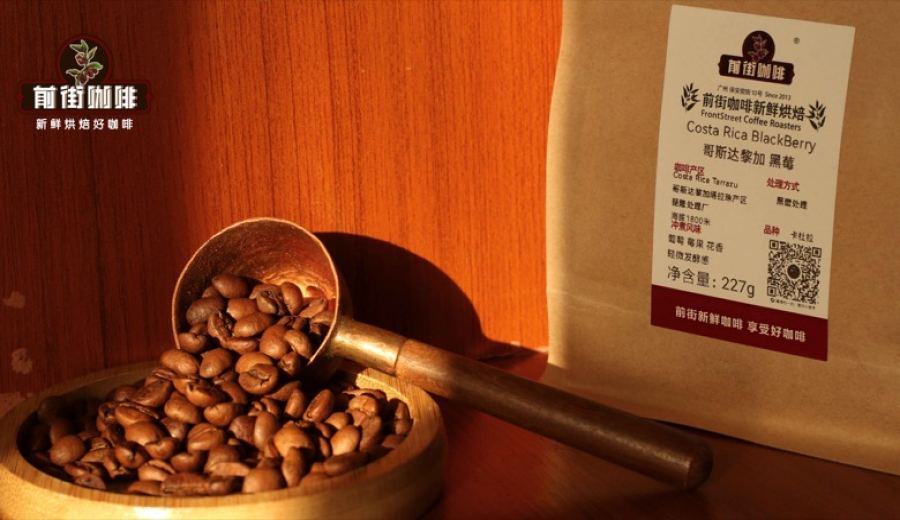
Introduction:Coffee with floral aromas often reminds people of spring, but in fact, the flavor results from the interplay of varietal genetics, post-harvest processing, and regional microclimates. This article breaks down the three main sources of floral coffee flavors and provides extraction recommendations for light to medium roasts, storage tips, and practical brewing guides to help you make more precise choices from bean selection to flavor adjustment.
The floral notes in coffee are not accidental—they primarily stem from three key factors: first, varietal characteristics, such as the renowned Geisha variety, which often exhibits distinct orange blossom tones; second, processing methods, where fermentation during sun-drying can easily produce complex floral aromas; and third, regional environment—coffees from Ethiopia’s high-altitude areas often display elegant jasmine-like scents. In actual tasting, one well-known roaster’s Kafa Forest lot leans toward a tea-like profile, evolving from orange and apricot into an oolong tea-like aftertaste; meanwhile, another renowned estate’s Geisha showcases richer orange blossom and guava aromas, paired with jammy strawberry notes, demonstrating the profound impact of processing on flavor.
The flavor expression of pour-over coffee is a systematic process, where regional microclimate, bean variety, processing technique, roast level, and brewing variables all play indispensable roles. Generally speaking,Light Roasttends to highlight floral and fruity qualities more prominently,Medium Roastemphasizes sweetness and body. Notably, simply adjusting water temperature or pouring speed can alter the sequence of aroma release—for example, lowering the water temperature helps preserve delicate floral molecules.
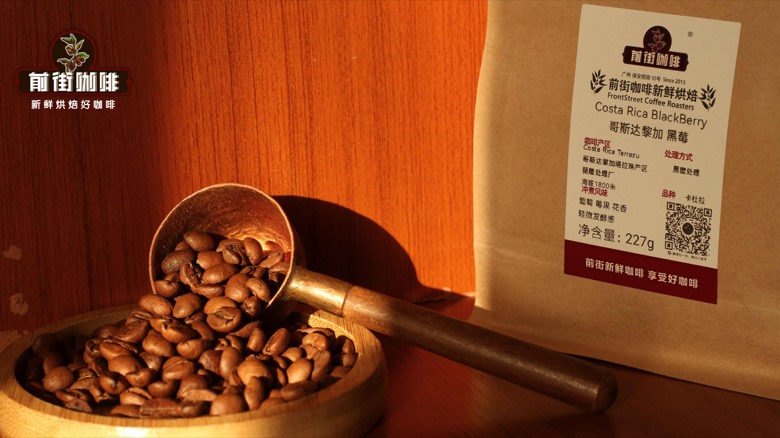
When brewing floral-profile coffee,maintaining a water temperature between 88–90°Cbest preserves aromatic integrity. Here are several recommended bean varieties, each with unique traits: One well-known roaster’s Kafa Forest lot often features orange, ripe apricot, and oolong tea aftertastes—waiting for the cup to cool slightly before drinking enhances its sweetness; another renowned estate’s Geisha highlights orange blossom and guava as its core, complemented by apricot and strawberry jam aromas, with the sun-dried process lending it a rich character—pour-over is an ideal method to explore its layered profile; Colombian Sidamo showcases a vibrant fruit combination of passionfruit, blueberry, grape, and apricot, particularly well-suited for cold brew or iced drip, while SOE single-origin brewing can fully express its aromatic features.
A coffee bean’s aroma and sweetness diminish over time, so proper storage is crucial. It’s recommended to use airtight containers and store them ina cool, dark place, away from heat sources like stoves. For home use, the ideal consumption period is within one month. During actual tasting, follow the evaluation process of “first smell the dry fragrance, then taste the sweetness and aftertaste”—if the aroma seems lacking, check the grind size and storage duration first. Different brewing methods (hot, iced, milk coffee) have varying demands on bean characteristics, so try each and take notes on the differences to gain a deeper understanding of the beans’ potential than relying on a single method.
Before selecting coffee beans, it’s advisable to clarify two core questions: your personal taste preferences and available time/budget. The former determines the flavor direction—bright floral-fruity notes or rich nutty-cocoa profiles; the latter influences your selection strategy—floral-fruity notes usually require more refined brewing techniques, while nutty-cocoa blends are better suited for everyday quick enjoyment. In a multi-person household, it’s recommended to prioritize a balanced, widely accepted bean variety as your daily brew, while reserving room for exploratory single-origin beans. This approach is more practical than bulk-buying beans with similar profiles.
During actual brewing, start by fixing the coffee-to-water ratio and total water volume as the foundational process, using grind size as the subsequent adjustment variable. If the cup tastes overly sharp or needle-like, it usually indicates under-extraction—this can be improved bygrinding finer; if the aftertaste feels dry or astringent, it may suggest over-extraction—try extending the resting time or reducing agitation intensity. Each adjustment shouldmodify only one parameter at a timeto confirm its effect.
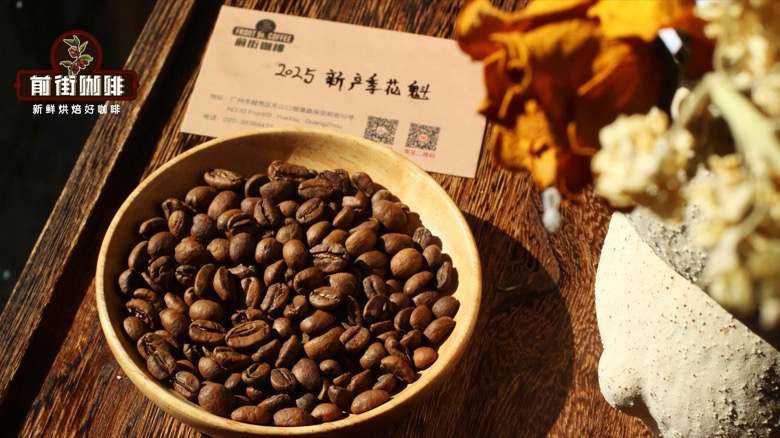
As brewing tools and taste preferences evolve, consider adopting a “dual-track bean strategy”: one main line featuring stable, reliable balanced beans for daily use, and another supplementary line with distinctive beans that offer unique flavors like osmanthus, plum, or dark chocolate. By evaluating your equipment list and personal flavor preferences comprehensively, you can make more practical selection decisions.
The above content is compiled by CoffeeHunters, a coffee news website.

