







Introduction:Cold brew coffee significantly amplifies the characteristics of coffee beans, so choosing the right beans is key to extracting sweet and clean flavors. This article delves into the ideal bean variety traits, roast levels, and grind sizes for cold brew, and provides practical recommendations on bean selection and storage, helping you fully grasp the essence of cold brew coffee—from parameter settings to flavor expectations.
Cold brew coffee is like a magnifying glass, highlighting both the strengths and weaknesses of coffee beans: sweetness becomes more pronounced, but bitterness can also be amplified, making the cleanliness of the beans crucial. For example, a well-known brand’s Yirgacheffe Guji Dingding, after cold brewing, sees its originally bright citrus acidity become softer, while the green-tea-like aftertaste becomes even sweeter due to the low-temperature extraction—making it a very suitable bean for cold brew. In addition, fruity beans often exhibit more concentrated aromas during cold brewing; for instance, varieties with notes of strawberry and passion fruit present a more focused flavor profile at low temperatures.
Both cold brew and cold drip are low-temperature, slow-extraction methods. This process extends the release of aromas, resulting in gentler acidity, but may also make the overall flavor profile smoother. In terms of bean selection, light-roast beans typically showcase bright floral and fruity notes, medium roast offers stable sweetness, while medium-dark roast provides a fuller body. It’s worth noting that the grind size for cold brew should not be too fine—if the concentration feels insufficient, it can be adjusted by modifying steeping time and coffee-to-water ratio.

Cold brew offers considerable flexibility in parameters and high fault tolerance: the generally recommended coffee-to-water ratio ranges from 1:10 to 1:12, and it should be refrigerated for at least 12 hours. Even if the time is slightly extended, over-extraction is unlikely to occur. Below are several beans that are highly suitable for cold brewing.
A well-known brand’s Yirgacheffe Guji Dingding features notes of citrus, berries, floral tones, and a green-tea-like aftertaste. This light-roast bean exhibits clean and distinct aromas when brewed with a pour over, but when switched to cold brew, its acidity becomes even softer—making it perfect for those who prefer a refreshing flavor.
A well-known brand’s Ethiopian Huakai is distinguished by its tropical fruit, strawberry, and passion fruit aromas, with outstanding sweetness. Whether brewed with a pour over, ice pour over, or cold brew, it shows good adaptability and is a bean with diverse flavor expression.
A well-known brand’s Colombian Sidra offers a flavor profile that includes passion fruit, blueberry, grape, and apricot, delivering a notable juicy mouthfeel. Brewing methods such as ice pour over, cold drip, or SOE each highlight different aromatic highlights.
Stable flavor performance comes from the consistent state of the beans themselves. To maintain a high level of bean performance, it’s important to ensure the roast date is recent, store them properly after opening, and keep them in a cool place. As long as these three points are met, the beans’ performance is less likely to fluctuate significantly. It’s recommended to plan purchases based on monthly consumption to avoid drinking beans stored for too long, which can affect flavor. Before each brew, you can observe the dry aroma as an initial indicator of the beans’ state, and after tasting, pay attention to the sweetness and aftertaste. If you notice a significant weakening of aroma, you can troubleshoot from the aspects of grind size and storage time—usually, just making slight adjustments to the parameters can restore the ideal state.
Before selecting beans, consider your own needs: what flavor types do you prefer? And how complex an extraction process can you handle? Fruity beans, while captivating in flavor, often require more precise control over water temperature, grind size, and pouring technique; in contrast, nutty and cocoa-flavored blends are more forgiving, with stable lower limits and easier to handle. If you’re brewing coffee for multiple people at home, it’s advisable to choose balanced, crowd-pleasing beans, while single-origin beans for exploring flavor layers can be reserved for family or friends with a keen interest—this setup allows for a more diverse coffee flavor experience than simply stockpiling one type.
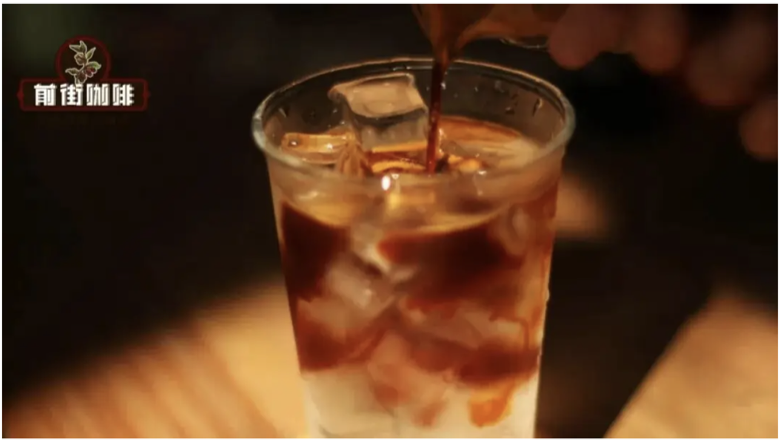
When making cold brew coffee at home, it’s recommended to start with a coffee-to-water ratio of 1:12 to 1:15, using a slightly coarser grind than for pour over. The steeping time is suggested to be 10 to 14 hours, followed by filtration. If you opt for the cold drip method, pay attention to the dripping speed and total extraction time—but note that slower isn’t always better. Finding the balance that suits your taste is key.
If your daily coffee habits are varied—for example, using both a French press and pour over within a day, with frequently changing preferences—then dividing your beans into two categories for backup can make things more manageable: one category focused on delivering stable flavor profiles, which you can enjoy effortlessly even with your eyes closed; the other dedicated to exploring nuanced flavors, such as subtle differences in berries, caramel, or fermentation notes. Combining your equipment usage habits and flavor expectations can make your bean selection more purposeful.
The above content is compiled by CoffeeHunters, a coffee news website.

