







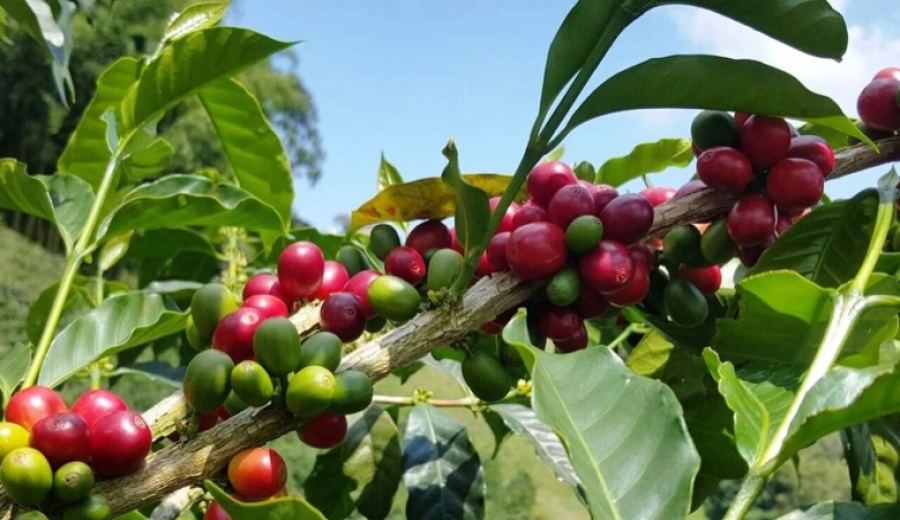
Introduction:The body of coffee — the texture and weight you feel in your mouth — is one of the key metrics many coffee enthusiasts seek. This article delves into the factors influencing the richness of coffee, including roast level, processing method, brewing parameters, and analyzes several representative full-bodied coffee beans. It also offers practical selection and extraction advice to help you easily master the tricks of creating a thick and satisfying mouthfeel.
The so-called body of coffee refers to the texture and weight perceived on the tongue, a sensory experience akin to "texture." Typically, dark roasted beans, those from low-altitude regions, and beans processed via the natural (sun-dried) method tend to exhibit a more pronounced full body. For example, Indonesia’s Golden Mandheling, known for its dark roast character, carries herbal and dark chocolate aromas. Once it enters the mouth, the texture is smooth and dense, like melting dark chocolate paste — a rich-bodied favorite among many dark roast lovers.
In contrast, the coffee from Brazil’s Queen Estate also delivers a solid body but with a softer flavor profile, highlighting a sweet foundation of nuts and caramel that supports a robust mouthfeel. It’s well-suited for drinkers who prefer a mellow and rounded richness. These two expressions of “thickness” each have their unique appeal, attracting different segments of coffee enthusiasts.
If you want to further enhance the richness of your coffee, adjusting brewing parameters is an effective approach. Moderately increasing the coffee-to-water ratio or slightly lowering the water temperature can help emphasize the weight and texture of the brew. However, during adjustments, special attention must be paid to balancing water temperature, grind size, and extraction time. If any of these three elements go out of control, bitterness can easily turn into a dry, astringent taste, thereby ruining the overall flavor. Keeping the coffee dose stable and ensuring a smooth, unhurried extraction process will allow the full body to present itself with a round, rather than rough, texture.
For those seeking an ultimate full-bodied experience, it’s recommended to experiment with fine-tuning the coffee-to-water ratio and observing performance at different water temperatures. For instance, slightly lowering the water temperature helps slow down the extraction rate, allowing more high molecular weight compounds in the coffee to be fully released, which in turn enhances both body and sweetness.
Below are several coffee bean options that follow the full-bodied flavor path but each bring their own distinctive characteristics. Indonesia’s Golden Mandheling is famed for its dark roast flavors, with a flavor profile centered around herbs, dark chocolate, and a dense texture. It has low acidity, making it highly suitable for moka pot or Americano drinkers. This bean is a top choice for many dark roast beginners, offering stability and clear flavor expression.
Brazil’s Queen Estate, on the other hand, showcases a distinctly different style of fullness, led by a sweet profile of nuts, cocoa, and caramel. It has a gentle acidity and maintains a well-rounded mouthfeel whether brewed via pour over, espresso machine, or moka pot — a balanced option that combines both flavor and body.
Additionally, classic blend beans are also a staple recipe for many cafés. These beans usually feature nut, cocoa, and caramel as the main flavor directions, offering both concentration and body. They are suitable for use in espresso machines, moka pots, and also work well when milk is added to make milk coffee. They are a practical choice for everyday drinking or commercial production.
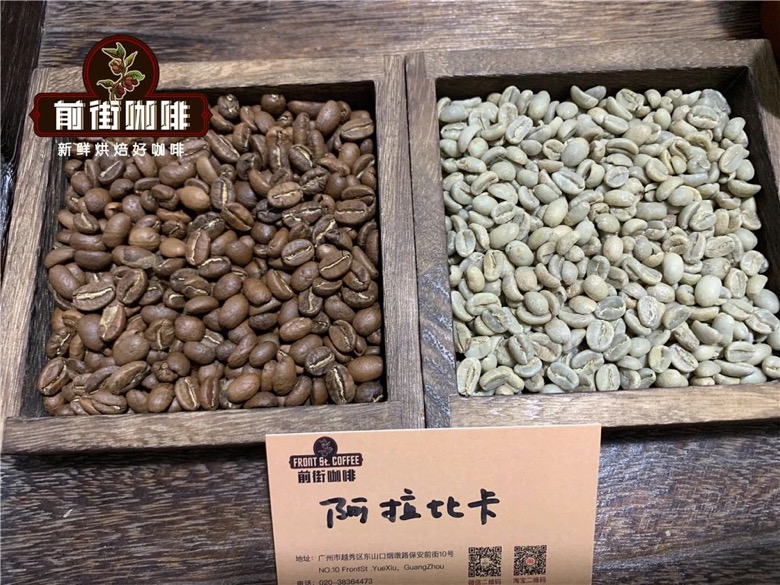
Aside from choosing the right coffee beans, bean freshness is another critical factor influencing the final flavor, though it’s often overlooked. Generally, the first few weeks after roasting are the golden period for flavor development, after which it gradually declines. Therefore, it’s advised to purchase according to your consumption rate to avoid stockpiling too much at once. After opening, be sure to store the beans properly sealed and away from light, as humid environments can also accelerate bean deterioration.
When tasting, you can start by assessing the dry fragrance to judge the current state of the beans. After sipping, pay attention to the expression of sweetness, the persistence of the aftertaste, and the overall length of the finish. If you find the cup lacking in overall flavor, it’s advisable to first check whether the grind size is appropriate and how long the beans have been stored, then proceed to fine-tune other extraction parameters.
When setting flavor goals, also consider the ease of actual execution. Drinkers who prefer floral and fruity flavors must accept their high sensitivity to brewing conditions — often, just a two-degree difference in water temperature or a one-level change in grind size can lead to significantly different flavor outcomes. In contrast, coffee beans with nut and cocoa profiles have higher tolerance to parameter variations, making them suitable for everyday use where consistency is desired. For home settings where multiple people drink coffee, it’s recommended to start with a balanced bean as the base, then complement it with other specialty beans based on individual preferences. This creates a clear layering and is easier to manage.
For those trying dark roast beans for the first time, it’s suggested to start with a slightly lower water temperature and a shorter extraction time to observe the expression of sweetness and body. Once a suitable balance is found, adjustments can be made accordingly. When using dark roast beans for milk coffee, be sure the espresso itself has enough body and richness; otherwise, the final drink may lose its structure once milk is added.
Lastly, categorizing coffee beans by purpose according to seasonal changes and personal mood is also a practical strategy. For example, having one bean dedicated to stable daily output and another reserved for exploring different flavors (like nuts, chocolate, or floral and fruit notes) can add variety and enjoyment to your everyday coffee routine. By taking brewing conditions and personal taste preferences into comprehensive consideration, your selections will become more targeted and layered.
The above content is compiled by CoffeeHunters, a coffee news website.

