







Introduction:This article introduces you to the regional characteristics of beans with nutty and cocoa flavors, analyzing the caramel sweetness of Brazilian beans, the chocolate layers of Colombian beans, and the dark chocolate and herbal notes of Sumatran beans. It also explores how to choose the right beans based on brewing methods and personal taste preferences. From pour over to milk coffee, it provides practical flavor descriptions, roasting suggestions, and storage tips to help you find your own perfect nutty-cocoa coffee experience.
Among the world’s major coffee-producing regions, Brazil, Colombia, and Sumatra are the most representative when it comes to beans with nut and cocoa flavors. Each of these three regions has its unique traits: Brazilian beans often showcase rich nutty and caramel tones, offering a full-bodied mouthfeel with pronounced sweetness; Colombian beans are grounded in chocolatey notes, occasionally complemented by bright fruitiness, resulting in a layered flavor profile; whereas Sumatran beans tend to lean toward herbal and dark chocolate characteristics, with low acidity, a full body, and distinctive earthy and woody undertones.
Interestingly, Colombia’s Caturra variety is often an exception. This coffee from Colombia not only retains the core structure of nutty and cocoa flavors but also features bright fruitiness such as passionfruit and blueberry, delivering a juicy mouthfeel. This makes it stand out with rare vibrancy and freshness among nutty-cocoa flavored beans, making it highly suitable for drinkers who enjoy a balance between fruity notes and sweetness.
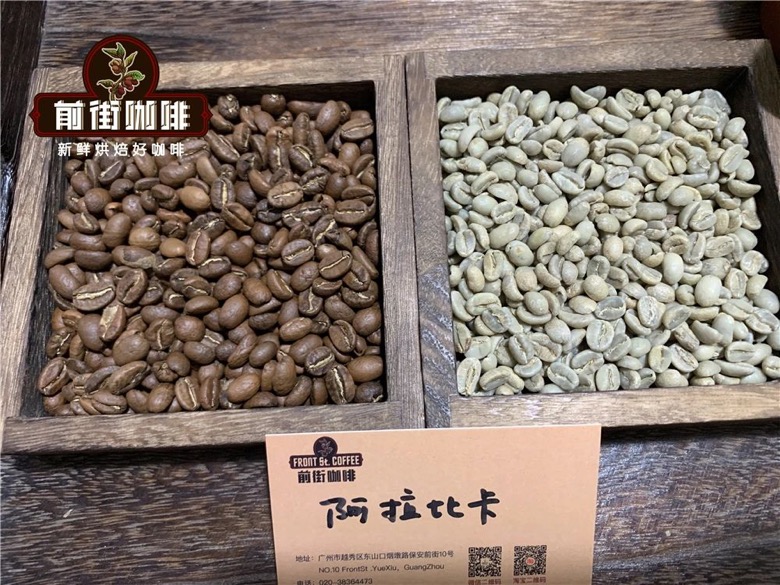
As the degree of roasting deepens, the flavor of coffee beans gradually shifts toward cocoa, nuts, caramel, and a hint of roasted grain aroma. In this case, acidity usually takes a backseat, but bitterness is not solely determined by roast level. If the water temperature is too high, the grind is too fine, or the extraction time is too long during brewing, it can easily bring out dry, astringent, and overly bitter flavors. It is recommended to maintain a stable coffee-to-water ratio and control the extraction time to avoid over-extraction, thereby achieving a smoother and more rounded coffee taste.
Beans with nutty and cocoa flavors pair very well with milk. Adding dairy often enhances the richness and body of the beverage, making it especially suitable for milk-based coffees like lattes and cappuccinos. Whether you prefer a refreshing or a bold taste, you can adjust the ratio according to your personal preference and enjoy different layers of coffee experience.
The following three beans showcase the diverse expressions of nutty and cocoa flavors across different regions and processing methods:
First up is the Colombian Caturra, whose cup profile is dominated by passionfruit, blueberry, grape, and apricot notes, bursting with juiciness. It is ideal for brewing methods such as iced pour over, cold drip, or as a Single Origin Espresso (SOE), which can fully highlight its aroma and complexity. Even when roasted at a light to medium level, this bean retains clear fruitiness and sweetness, making it perfect for those who love the coexistence of fruity and nutty profiles.
Next is the Yirgacheffe Guddina, a classic East African bean flavor characterized by citrus, berries, and floral notes, with a tea-like aftertaste reminiscent of green tea. Light roast pour over can clearly express its bright acidity and fruity character, while cold brew can mellow the acidity, making it suitable for summer consumption or those who enjoy a refreshing taste.
Finally, there’s Indonesia’s PWN Golden Mandheling, a classic bean variety from Sumatra that exhibits herbal, dark chocolate, and full-bodied flavor profiles. With low acidity and a rich mouthfeel, it is the top choice for fans of dark roasts. Suitable for use in a moka pot or for making Americano, it is also a stable everyday option for many households’ breakfasts or daily coffee routines.
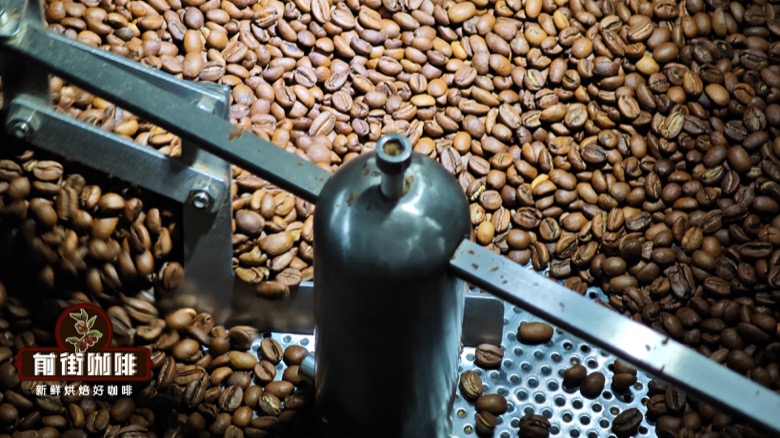
It’s important to note that coffee bean flavors naturally deteriorate over time, so the roast date is a key indicator of bean freshness. It is recommended to purchase based on your individual consumption and try to finish the beans within three to four weeks after roasting to achieve the best flavor performance. Store them in a cool, dry place, ensuring a tight seal to prevent moisture or oxidation from affecting the aroma.
Before brewing, you can first observe the dry aroma of the beans, then taste the acidity, sweetness, and aftertaste upon drinking, which helps assess the current state of the beans. If you find the aroma lacking, first check the grind size and how long the beans have been stored, rather than immediately switching to a new batch.
For beginners in coffee, it’s advisable to choose beans based on your flavor preferences and the time you’re willing to invest in brewing. If you prefer fruity beans, you can spend more time adjusting parameters like water temperature, grind size, and extraction to achieve richer and brighter layers; whereas nutty-cocoa flavored blends offer consistent and stable performance, making them a great choice for busy mornings or quick brewing.
If you live in a household with multiple coffee drinkers, it’s recommended to always have a balanced bean as a base, and supplement with single-origin beans as needed to explore the characteristics of different regions and processing methods. This way, you can satisfy daily needs while still enjoying the fun of diverse flavors.
When brewing dark roast beans, it is recommended to try a slightly lower water temperature than usual and shorten the extraction time. First assess whether the sweetness and body are sufficient, then adjust according to personal preference. If used for making milk coffee, make sure the espresso itself has good body and intensity—only then can the overall flavor remain balanced and layered after adding milk.
If you frequently switch brewing equipment or try different flavor profiles, consider dividing your staple beans into two categories: one being a stable, everyday-drinking base option; the other being a fun option for experiencing new harvests or special processing methods. Clarify your commonly used equipment and preferred flavor types first, then plan your bean selection accordingly—this will make your coffee experience smoother and more enjoyable.
The above content is compiled by CoffeeHunters, a coffee news website.

