








Introduction:Selecting the right coffee beans and suitable extraction parameters is key to consistently brewing great-tasting coffee with a home espresso machine. This article explores drinking scenarios, equipment pairings, and common bean characteristics to help readers understand how to choose their daily beans based on personal preferences, and master the balance of dose, grind size, and extraction time—ensuring every cup showcases its intended flavor profile.
To choose suitable coffee beans, start by clarifying your drinking scenarios and purposes. A quick black coffee for an energy boost in the morning is vastly different from a milk-based coffee paired with breakfast. Similarly, slowly savoring a pour over versus quickly brewing with an espresso machine affects your expectations for flavor and strength. Whether it's roast level, flavor intensity, or brewing method, adjustments should be made according to actual usage contexts.
The stability of espresso extraction relies on a delicate balance of several key parameters, including dose, grind fineness, yield, and extraction time. Generally, using blends provides a stable foundation of nutty, cocoa, and caramel notes, suitable for various brewing methods. Single-origin espresso (SOE), on the other hand, highlights unique aromas and acidity-sweetness variations from specific regions. Once you’ve decided on your preferred beverage type, the trade-off between body and regional character becomes clearer.

If you’re looking for “daily beans suitable for home espresso machines,” it’s recommended to evaluate from several angles: What flavors do you prefer? What equipment do you usually use? What temperature do you prefer when drinking? How often do you drink coffee each day? Breaking down your choices based on these factors allows you to filter options step-by-step—not only preserving your personal taste preferences but also enabling the beans to perform at their best during actual extraction.
For example, take a certain specialty blend that uses Brazilian Cerrado and Colombian Huila beans as its base, delivering well-balanced nutty and caramel flavors—suitable whether brewed as a straight shot or with milk. Another example is a dark cocoa blend dominated by dark chocolate and roasted nut notes, offering pronounced sweetness with lower acidity. It performs reliably in espresso, diluted Americanos, or as a milk coffee base. If you prefer brighter, fruitier beans, consider a strawberry candy coffee bean—its sweet, gummy-like strawberry aroma is perfect for fruity or iced Americanos, and is also a favorite choice for many milk coffee drinkers.
It’s especially important to note that a bean’s final flavor expression is closely related to its roast date and storage method. It’s recommended to store opened bags tightly sealed in a cool, dry place, and purchase according to your daily consumption. This helps observe how the beans evolve over time. Before brewing, first smell the dry fragrance, then taste the sweetness and aftertaste. If the aroma seems lacking, it could be due to too coarse a grind or the beans having been stored for some time. Also, the same beans can present different flavor profiles when served hot, over ice, or with milk. Trying different parameters a few times will gradually lead you to your ideal combination.
When selecting beans, consider assigning a score for both flavor preference and extraction difficulty. Beans with floral or fruity profiles often demand more precision in water temperature, grind size, and pouring technique—novices may need more practice. Blends leaning toward nutty and cocoa tones are usually easier to extract consistently, making them better suited for everyday use. For family enjoyment, you might start with a well-balanced bean as your daily base, then explore single-origin beans to satisfy individual cravings for specific flavors. This approach allows for clearer comparisons compared to buying multiple beans with similar flavor profiles all at once.
The general recommended espresso brew ratio is around 1:2. Then, fine-tune the grind size based on the resulting acidity, bitterness, and sweetness. If you perceive sharp acidity, it may indicate a need to extend extraction time or increase water temperature. If unpleasant bitterness or astringency appears, try shortening the extraction time or using a coarser grind. Through continual experimentation and record-keeping, you’ll gain a more precise understanding of your machine’s characteristics.
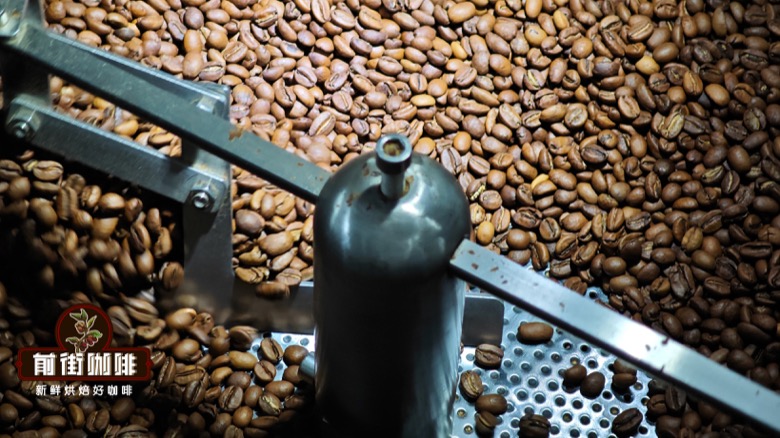
As your equipment, personal habits, and flavor preferences evolve, it’s advisable to divide your coffee lineup into a “stability line” and an “exploration line”: one bean serves as your go-to daily brew, while another is used to experiment with different flavors—such as floral-fruity notes, nutty profiles, or unique processing methods. By comprehensively considering your usual equipment, drinking methods, and flavor preferences, you’ll make more practical and personalized choices—often more relevant than relying solely on a single keyword search.
The above content is compiled by CoffeeHunters, a coffee news website.

