








Introduction:Choosing the right American-style black coffee beans is the first step to enjoying pure coffee flavors. This article helps readers find the most suitable coffee beans and brewing methods based on their personal habits, covering flavor preferences, equipment compatibility, and extraction details. Whether you prefer bright fruity floral notes or rich, low-acid nutty cocoa profiles, understanding roast levels, regional characteristics, and grind parameters can help you achieve the best results in your daily pour over.
The charm of a high-quality black coffee goes far beyond mere acidity or bitterness—it’s constructed by layers of aroma, sweetness intensity, body, mouthfeel, and even aftertaste. Therefore, when selecting coffee beans, it’s recommended to first clarify the flavor types you enjoy, such as fresh floral-fruity notes, mellow nuts and cocoa, or balanced profiles in between, and then seek out corresponding origins, processing methods, and roast depths accordingly.
Among various brewing methods, pour over best highlights the inherent characteristics of the beans. Its flavor expression is often influenced by origin, variety, processing method, roast level, and specific brewing parameters. Light roasts often showcase distinct floral-fruity tones, while medium roasts enhance sweetness and a rich texture. Additionally, water temperature, grind coarseness, and pouring rhythm all affect the sequence and proportion of aroma release—so one shouldn’t judge a bean’s performance solely based on its name.
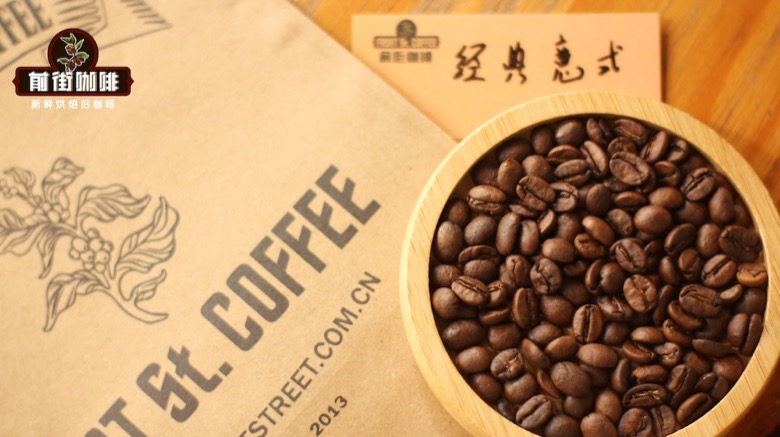
To meet the needs of “American-style black coffee bean recommendations,” it’s advisable to break down selection criteria into several practical dimensions: personal taste preferences, commonly used brewing equipment, desired drinking temperature, and daily consumption frequency. When approaching from the perspective of flavor layers, you may first clarify the elements you value most—such as prominent fruitiness, balanced mouthfeel, or intense richness—and then apply additional filters. This way, you can maintain your personal preferences while allowing the beans to fully express their characteristics during actual extraction.
For example, some Colombian coffee beans, such as those of the Sidra variety, often exhibit pronounced fruity notes like passionfruit, blueberry, grape, and apricot, with a juicy mouthfeel. They can display clear aromatic profiles whether brewed as cold pour over, cold drip, or as a single-origin (SOE) extraction.Ideal for coffee lovers who enjoy fresh and bright flavors.
Another example is the Red Label Geisha produced by Panama’s Hacienda La Esmeralda, which features elegant jasmine, bergamot, and citrus tones, blended with an Earl Grey-like finish. Its overall taste is clean and delicate, perfect for savoring during leisure time—especially when medium to medium-dark roasted, it shows greater richness and stability.Recommended for those seeking refined complexity.
Additionally, the Guji Dandi variety from the Yirgacheffe region primarily highlights citrus, berry, and floral notes, with a green-tea-like aftertaste. Pour over after light roasting can fully express its clear aromas, while cold brew can transform the originally sharp acidity into a softer profile.Suitable for summer cold drinks or consumers who prefer refreshing tastes.
Beyond flavor, the roast date and storage method of the beans are equally crucial. It’s recommended to keep them sealed tightly after opening, store them in a cool, dry place, and purchase according to your daily usage so you can observe flavor changes after each opening. During brewing, it’s suggested to first smell the dry aroma, then carefully appreciate the in-mouth flavors, sweetness expression, and aftertaste duration. If the aroma seems weak, check whether the grind is too coarse or if the beans have been stored for too long. Moreover, the same beans might perform very differently in hot drinks, iced versions, or when paired with milk—so it’s advised to record different parameter combinations to gradually identify the brewing method that best suits your taste.
When making selections, you may also separate considerations of “preferred flavor” and “acceptable brewing difficulty.” Typically, beans with prominent floral-fruity notes demand stricter control over water temperature, grind size, and pouring rhythm, whereas nutty and cocoa-toned blends are better suited for stable daily use. If you have a large household or diverse taste preferences, you might prioritize a balanced-flavor bean as your base, then complement it with single-origin beans of varying flavor profiles for experimentation. This approach offers a more intuitive comparison and easier grasp of differences.
In hands-on pour over practice, it’s recommended to first fix the coffee-to-water ratio and total water volume, using grind size as the main variable for adjustment. If the in-mouth flavors are overly sharp, it may indicate under-extraction. If a dry or astringent sensation appears in the finish, consider reducing agitation or shortening the contact time between coffee grounds and water. It’s advised to adjust only one variable at a time to gradually find the optimal combination.
Furthermore, if your daily equipment, drinking habits, or taste preferences change, you might consider categorizing beans into two types: “daily reliable beans” and “exploratory trial beans.” One type ensures consistent and dependable output, while the other allows you to experience surprises brought by different flavors, processing methods, or origins. Start by eliminating obviously unappealing types through flavor direction, then compare the nuances in aroma and mouthfeel among the remaining options. This approach aligns more closely with real daily drinking scenarios and helps gradually build your personal coffee preference map.
The above content is compiled by CoffeeHunters, a coffee news website.

