








Introduction:Choosing the right coffee beans is key to making great cold brew. This article delves into the characteristics of beans suited for cold brew, exploring flavor differences across light to medium-dark roasts, recommended grind sizes and coffee-to-water ratios, as well as pairing suggestions with pour over, cold drip, and cold brew equipment. It helps you find the beans that best suit your taste and master the parameters for stable extraction.
Different brewing methods can significantly affect how the same coffee bean performs. Pour over highlights aroma layers and clarity of flavors, espresso machines emphasize rich mouthfeel and balanced sweetness, while moka pots require careful control of pressure and heat. Therefore, when selecting beans for cold brew, it’s essential to consider the interplay between equipment characteristics and brewing parameters.
Cold brew and cold drip, due to their low-temperature extraction environments, slow down the release of aromas, resulting in softer acidity. However, incorrect parameters may also lead to an overall dull flavor. Generally speaking,Light roast beansare ideal for showcasing bright floral and fruity notes,Medium roast beanstend to bring out stable sweetness, whileMedium-dark roastsoffer a richer and more layered mouthfeel. Additionally, the grind should not be too fine—slightly coarser than pour over is recommended—and adjust steeping time and coffee-to-water ratio based on your desired strength.
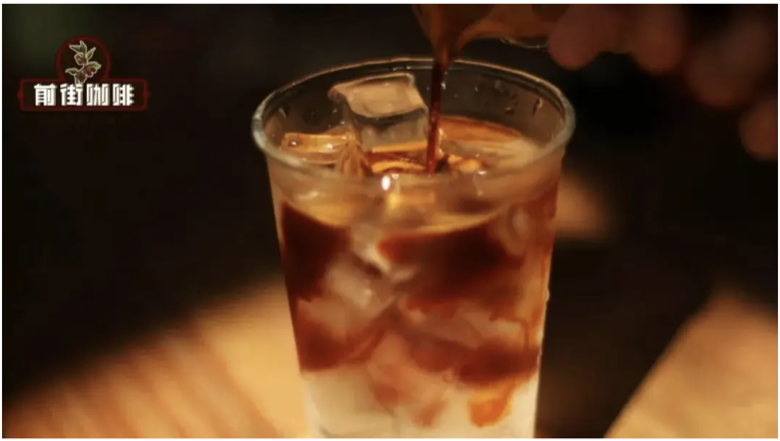
If you’re looking to pick “coffee beans suitable for cold brew,” it’s advisable to consider several aspects: your personal taste preferences, the type of equipment you usually use, the serving temperature, and how often you drink coffee daily. When filtering by equipment parameters, first clarify which extraction characteristics matter most to you—such as aroma expression, sweetness intensity, or body richness—and then adjust other factors accordingly. This way, you can preserve your personal preferences while allowing the beans to showcase their distinct features clearly during actual extraction.
For example, some beans from Ethiopian regions, such as the popular Huila varieties, often exhibit pronounced tropical fruit, strawberry, and passion fruit aromas, with lively and layered sweetness—perfect for pour over, ice pour over, or cold brew preparation. Meanwhile, Colombian Sidamo varieties frequently display complex fruit notes like passion fruit, blueberry, grape, and apricot, offering a juicy profile that shines whether brewed via ice pour over, cold drip, or as a single-origin (SOE) extraction. There are also beans with flavors reminiscent of strawberry gummies—sweet and brisk—ideal for making fruit-forward Americanos, iced coffees, or milk coffees where a memorable profile is desired.
Beyond flavor types, the roast date and storage method of the beans also directly impact the final extraction results. It’s recommended to keep opened coffee beans well-sealed, store them in a cool, dry place, and purchase according to your daily consumption to observe how flavors evolve over time. During actual brewing, start by smelling the dry grounds, then taste the flavors, sweetness, and aftertaste length. If the aroma seems lacking, check whether the grind is appropriate or if the beans have been stored for too long. Also, the same beans may perform very differently in hot drinks, over ice, or with milk—so it’s advisable to record results from a few different parameter setups, which can often help you quickly identify the combination that best suits your taste.
If you want to balance “flavors you enjoy” with “a brewing difficulty you can handle,” consider dividing your choices into two directions: one is beans with distinctive flavor profiles, which usually require more precise control over water temperature, grind size, and pouring rhythm; the other is relatively stable-flavored blends leaning toward nutty or cocoa tones, suitable for users seeking consistent daily cups. If you have a large household, you might start with a balanced-flavor bean as your base option, then gradually try different single origins based on personal taste. This approach makes it easier to compare differences compared to buying multiple beans of similar styles all at once.
For home cold brew, it’s recommended to start with the following initial parameters:Coffee-to-water ratio of 1:12 to 1:15, with a grind slightly coarser than regular pour over, and a steeping time of about10 to 14 hours. If using the cold drip method, pay attention to balancing drip rate and total extraction time to avoid compromising overall efficiency by pursuing excessively slow dripping.
If your equipment, drinking habits, or taste preferences often change, you might also consider dividing your beans into “everyday reliable” and “exploratory trial” categories: one provides a consistent and smooth baseline flavor, while the other lets you experience variations in fruit, nut, cocoa tones, or unique processing methods. It’s recommended to fix the coffee amount and water volume first, then gradually adjust a single variable, so you can more clearly identify the bean’s true flavor characteristics.
The above content is compiled by CoffeeHunters, a coffee news website.

